Home Fitness · Cycling
Best Spin Bike for Home (2026) — Top Picks
The best spin bike for home in 2026: Peloton Bike+, Schwinn IC4, Bowflex C7 and NordicTrack S22i compared on screen, classes, resistance and value.
Read Review
| Product | Best For | Key Feature | Price Range | |
|---|---|---|---|---|
| Rogue Echo Bike | Best overall | Belt drive, 123-lb steel frame, 330-lb user limit | $800–$1,000 | Check Price on Amazon |
 AssaultBike ProX | Best for connected training | Two-stage belt drive, Bluetooth and ANT+ | $850–$1,000 | Check Price on Amazon |
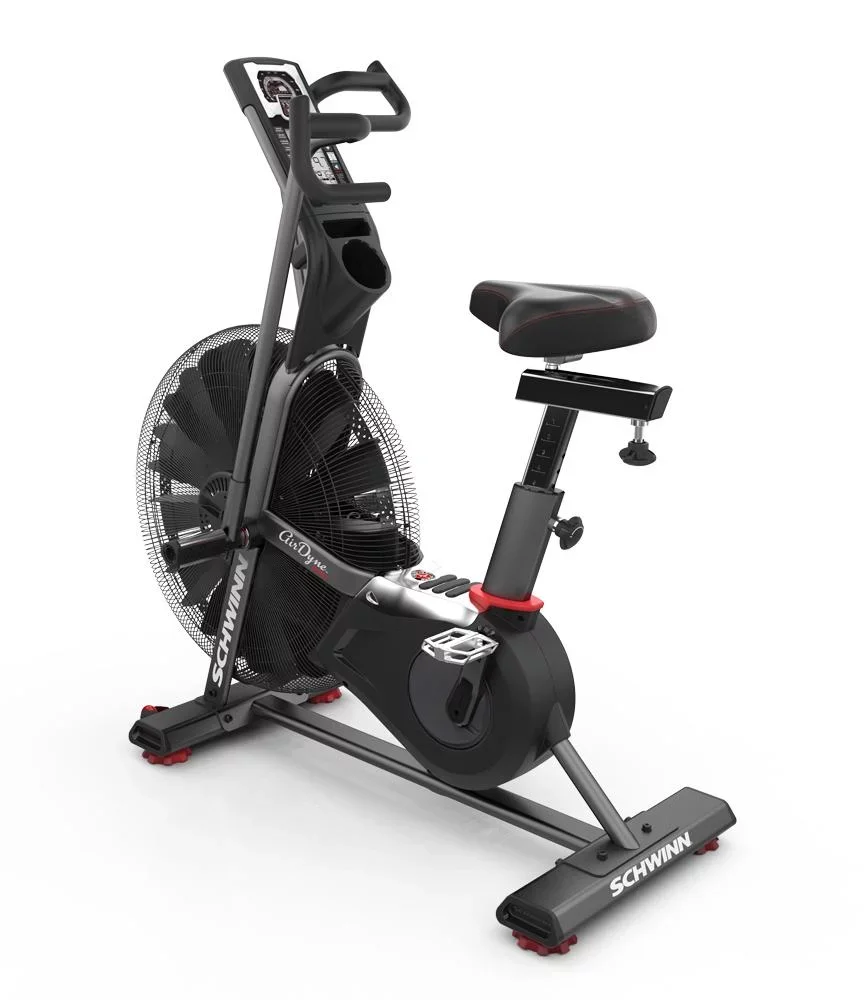 Schwinn Airdyne AD7 | Best warranty | 10-year frame warranty, 9 workout programs | $1,000–$1,300 | Check Price on Amazon |
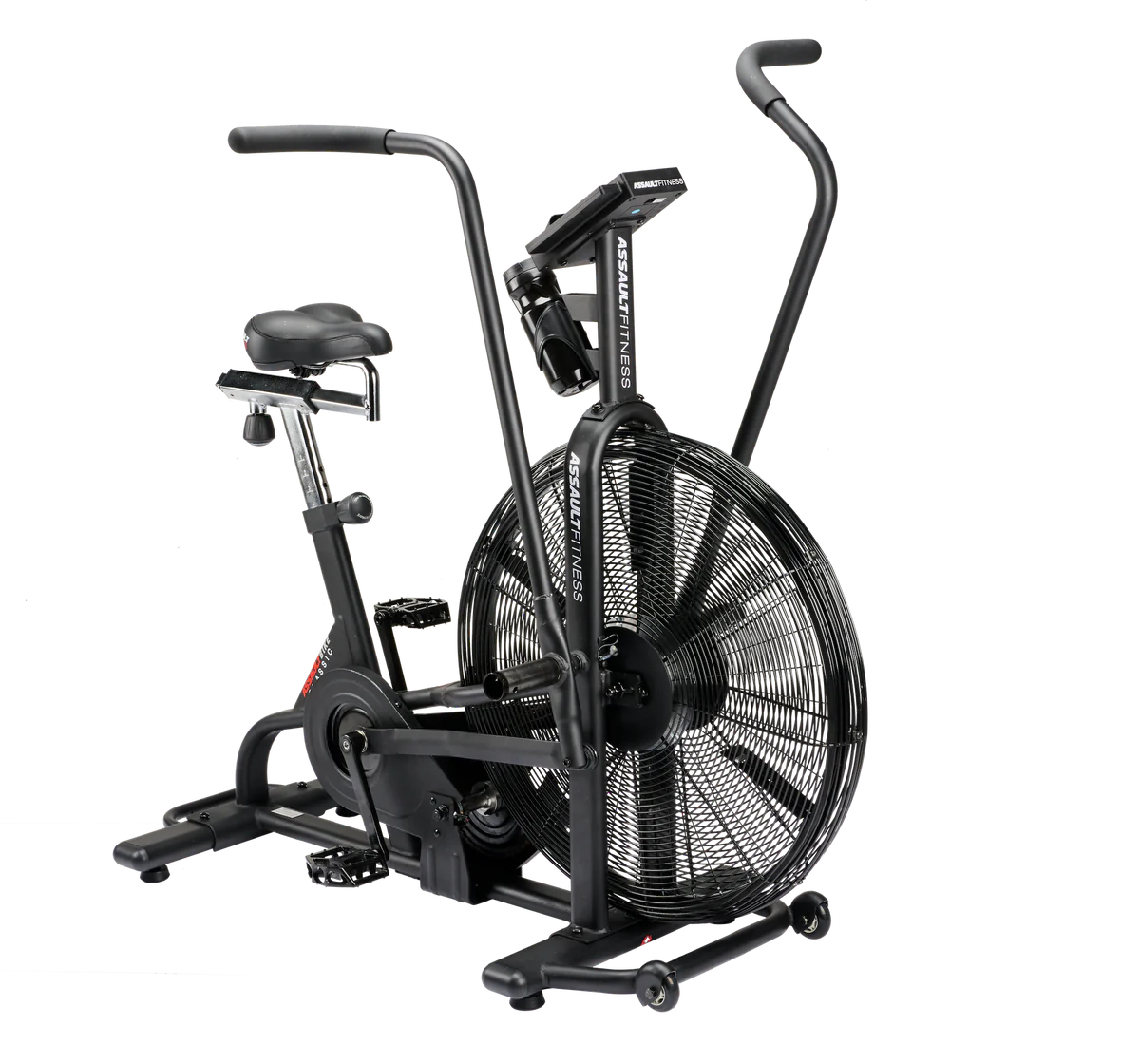 AssaultBike Classic | Best budget entry | Chain drive, 27-inch steel fan, lightest at ~96 lb | $700–$800 | Check Price on Amazon |
An air bike, also called a fan bike, is a stationary exercise bike with a large fan instead of a flywheel. Your legs pedal and your arms push and pull the moving handlebars at the same time, and both drive the fan. The faster you move, the harder the fan pushes back against the air — so resistance rises automatically with your effort and falls away when you ease off. There is no resistance knob to turn and no level to select, which is the whole point: the bike is as hard as you make it.
That design makes air bikes unusually versatile. A gentle pedal works as a warm-up or a recovery ride, while a 20-second all-out sprint turns the same machine into one of the hardest interval tools in a home gym. Because the resistance is self-regulating, two people of very different fitness levels can share one bike without changing any settings — each simply gets the workout their own effort produces. It also explains why air bikes are a staple of CrossFit gyms and HIIT training: short, sharp intervals are exactly what the fan rewards.
The full-body element matters too. On a regular spin bike, your legs do almost all the work. On an air bike, the moving arms add your chest, back, shoulders and arms to every stroke, so more muscle is working at once and your heart rate climbs faster for the same pedalling speed. That is why riders often describe a 10-minute air bike session as harder than a much longer ride on a standard exercise bike. The trade-off is comfort: the saddle is narrow and firm on most models, the fan blows air at you (welcome when you are sweating, less so in a cold garage), and the whooshing noise is part of the experience. None of that is a deal-breaker for most buyers, but it is worth knowing before the bike arrives.
Air bikes are also refreshingly simple machines. There is no motor, no power plug on most models — the consoles on the bikes in this guide run on batteries — and no subscription is required to use them. What you pay for is steel, bearings, a fan and a console, and the differences between models come down to how well those parts are made: belt drives run quieter and need less maintenance than chains, heavier frames stay planted during sprints, and better consoles track watts and heart rate so you can measure progress. The rest of this guide compares the four best-known models on exactly those points, using manufacturer specifications and reputable expert coverage.
Rogue Echo Bike — best overall. Our research points to the Rogue Echo Bike as the best air bike for most home gyms. The current V3.0 model is built from heavy steel tubing with a textured powder-coat finish, weighs about 123 pounds and supports riders up to 330 pounds, which is why expert reviewers consistently describe it as one of the most stable fan bikes you can buy — it stays planted during all-out sprints where lighter bikes can rock. It uses a belt-driven steel fan, so it runs quieter than chain-driven rivals and needs less maintenance, and the 5-by-8-inch LCD console now includes Bluetooth and ANT+ as standard, with interval modes, target modes for time, distance or calories, and heart-rate tracking with a separate strap. Rogue describes it as the official air bike of CrossFit, and its footprint of about 55 inches long by 29.5 inches wide is typical for the category. The price is usually around $895 on sale, and the warranty is 2 years — shorter than Schwinn or Assault, which is the Echo Bike's main weakness on paper. But for build quality per dollar, our research found nothing that beats it, and buyers report that it feels overbuilt in the best sense.
AssaultBike ProX — best for connected training. The ProX is Assault Fitness's mid-tier model and the one to pick if you care about data and apps. It replaced the older AssaultBike Pro in 2023, and its headline change is a two-stage belt drive — the only belt-driven bike in the AssaultBike range — which makes it quieter and lower-maintenance than the chain-driven Classic. It weighs 125 pounds, supports riders up to 330 pounds and measures about 51.7 by 24.5 by 52.5 inches. The console adds Bluetooth and ANT+ connectivity with interactive programming, and the seat adjusts across 11 height settings and 6 fore-and-aft positions, so it fits a wide range of riders. At $899 it sits almost exactly at the Echo Bike's price, and the choice between them comes down to priorities: the ProX gives you app connectivity and a 7-year frame warranty, while the Echo Bike gives you a heavier, more planted frame. Buyers who train with structured intervals and like tracking watts and RPM tend to prefer the ProX.
Schwinn Airdyne AD7 — best warranty. The AD7 is the premium choice in this group and the longest-running name in fan bikes — Schwinn's Airdyne line has been around for decades. It pairs a single-stage belt drive with a perimeter-weighted fan that reviewers say makes the first pedal strokes feel smooth rather than jarring, and its multi-display LCD console tracks calories, watts, time, distance, speed, RPM and heart rate, with 9 built-in workout programs including intervals. It weighs 113 pounds, supports riders up to 350 pounds — the highest user limit in this comparison — and measures about 53 by 26.5 by 53 inches. Its standout feature is the warranty: 10 years on the frame, 2 years on mechanical parts and electronics, and 6 months on labor, comfortably the longest here. The catch is price: it lists at $1,299 and is often on sale for around $999 to $1,099, making it the most expensive bike in this guide. It also has no Bluetooth or app connectivity, so if you want your workouts synced to your phone, the ProX is the better fit. For buyers who want a quiet, refined ride and a decade of frame cover, the AD7 is hard to fault.
AssaultBike Classic — best budget entry. The Classic is the original AssaultBike, renamed from the AirBike, and it remains the cheapest way into a proven fan bike at $749 on sale against a $799 list price. It uses a chain drive and a 27-inch steel fan, weighs about 96 pounds — the lightest bike here — and supports riders up to 300 pounds. The console tracks watts, RPM, calories, heart rate, distance and time, with Tabata and custom interval modes, but there is no Bluetooth, so data stays on the screen. The chain is the compromise: it needs regular lubrication and will eventually stretch, and it is louder than the belt drives on the other three bikes. But the frame warranty is a respectable 5 years, and for buyers who want the classic CrossFit-style workout at the lowest price, the Classic delivers the same brutal intervals as its more expensive siblings. If your budget is tight and you can live with chain maintenance, it is the sensible pick.
Across all four, the pattern our research found is clear: you are choosing between quiet belt drives and cheaper chain drives, between app connectivity and simplicity, and between warranty length and build weight. There is no bad bike in this group — only a wrong fit for a particular home. The Echo Bike wins overall because it balances all of those trade-offs best, but the ProX, AD7 and Classic each win a specific category outright.
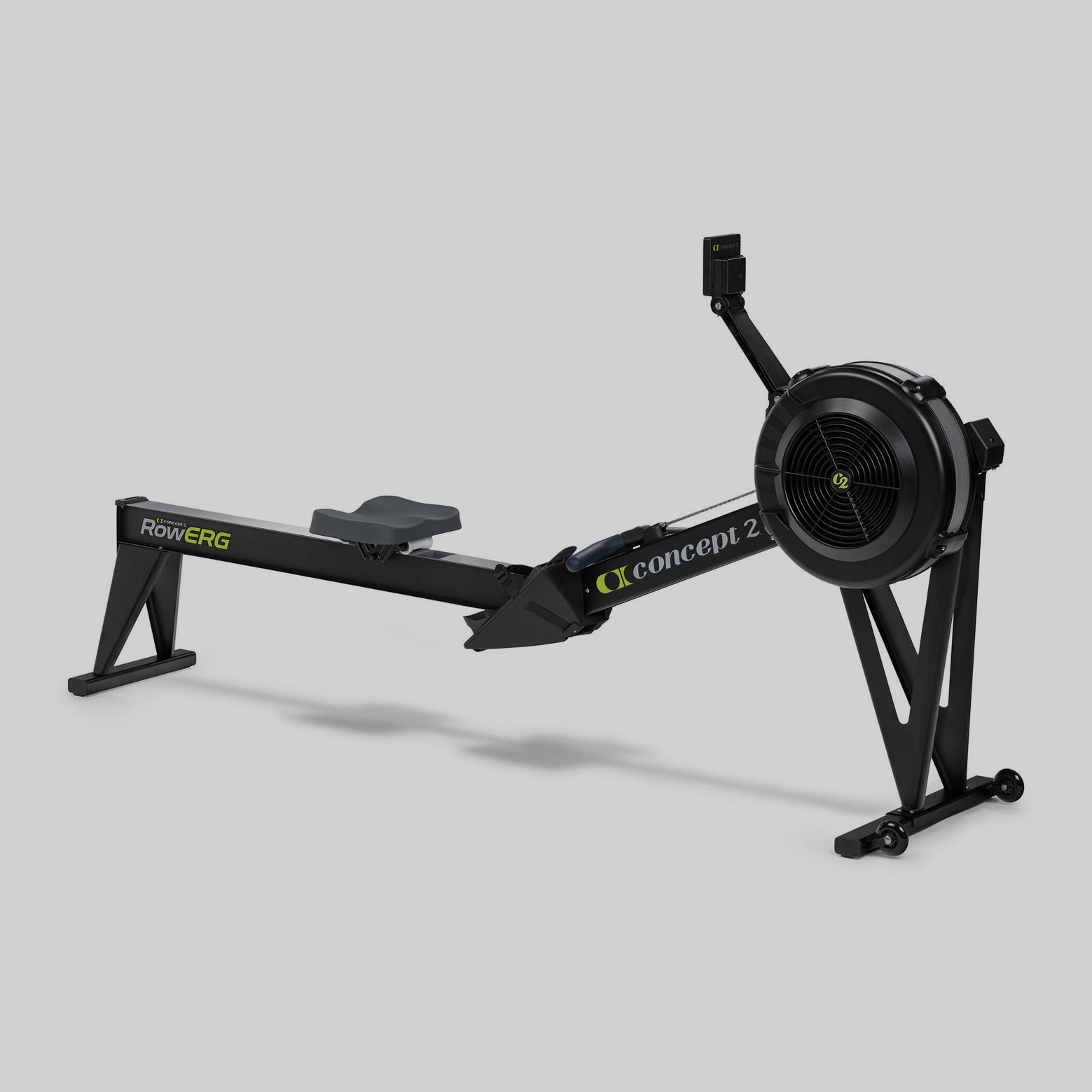
An air bike is not the only way to get serious cardio at home, and the right choice depends on what you enjoy — because the machine you actually use is the one that works. A spin bike, like the models in our best spin bike for home guide, is quieter, smoother and better suited to longer endurance rides and instructor-led classes, but it works mainly your legs and needs a subscription for the full experience on screen-based models. A rowing machine, covered in our best rowing machine for home guide, is also full-body and low-impact, and it trains your back and posterior chain in a way no bike can — but it needs more floor length, and many people find the rowing technique harder to learn than pedalling.
The air bike's advantage is intensity in a small space. Nothing else in this price range lets you go from a gentle warm-up to an all-out sprint in seconds with no settings to change, and the footprint is smaller than a rower and roughly the same as a spin bike. Its disadvantage is that it is a poor choice for long, steady rides: the saddle is firm, the fan noise grows with effort, and there is no coasting — stop pedalling and the fan stops you. If you love 45-minute endurance sessions, a spin bike or rower will serve you better. If you want short, hard, full-body intervals — the kind of workout that fits into 15 or 20 minutes before work — the air bike is arguably the best tool for the job.
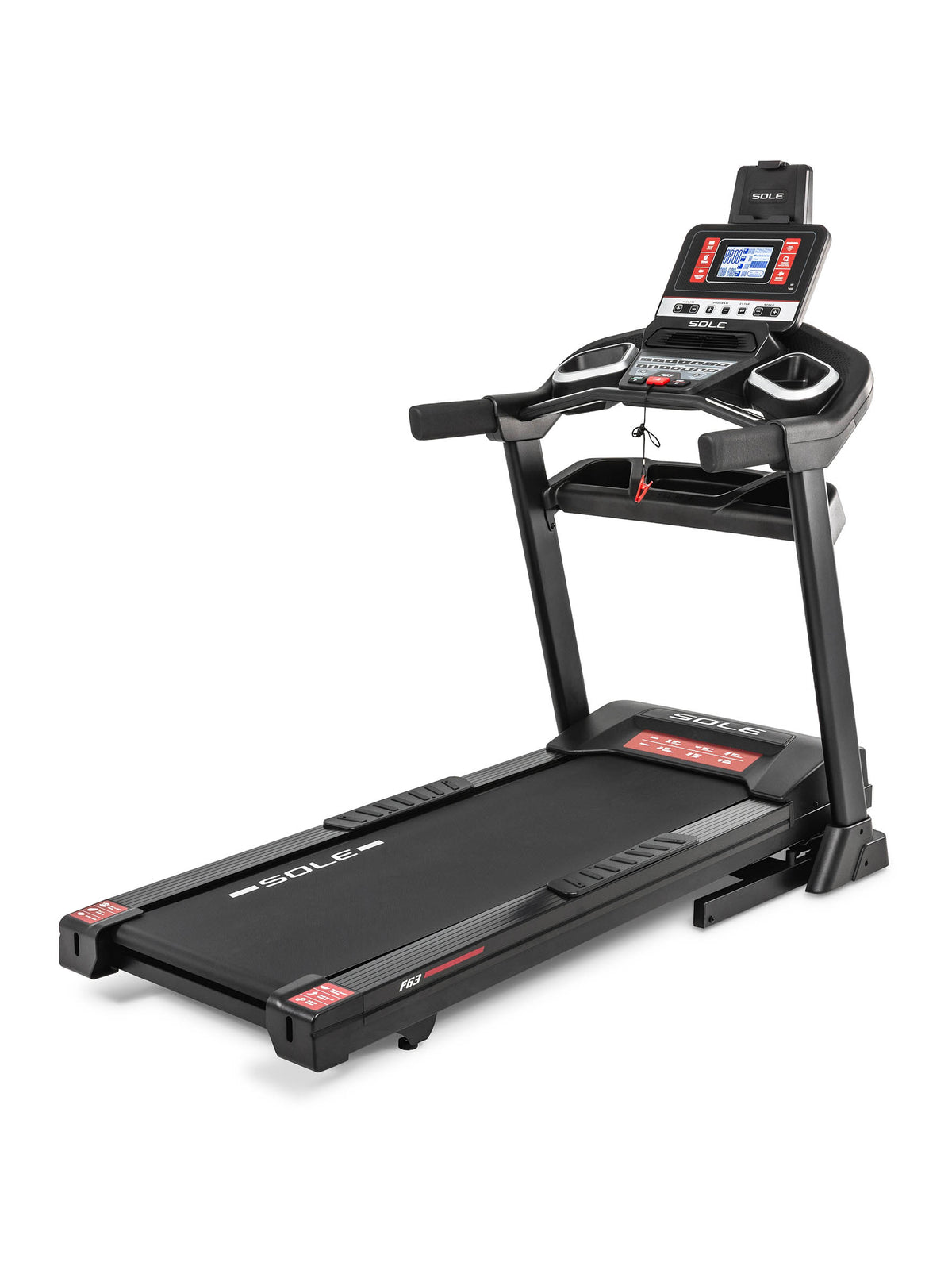
It is also worth comparing the running costs. None of these machines needs a subscription to function, but spin bikes with screens often push one, while air bikes and rowers generally do not. Maintenance is minimal across the board: belt-driven air bikes need almost nothing beyond wiping down and the occasional battery change, chain-driven models need lubrication, and rowers need their chain or belt checked too. If you are still deciding between running and rowing as your main cardio, our treadmill vs rowing machine comparison covers calorie burn, joint impact and space in detail — the same questions apply when you are weighing an air bike against either of them.
Drive type first. Belt drives — on the Echo Bike, ProX and AD7 — are quieter, need almost no maintenance and are the better choice for shared walls, early mornings and apartments. Chain drives — on the Classic — cost less and give a rawer, more mechanical feel that some CrossFit purists prefer, but they need lubrication and will be louder. If you can afford the belt, buy the belt.
Check the weight limit and the bike's own weight together. User limits in this guide run from 300 pounds on the Classic to 350 pounds on the AD7, and the bike's own weight is a useful proxy for stability: the 123- and 125-pound Echo Bike and ProX stay planted during sprints, while the 96-pound Classic is easier to move but can shift more under hard effort. Heavier is better for hard intervals; lighter is better if you need to move the bike often.
Measure twice, including headroom. These bikes are about 51 to 55 inches long and 23 to 30 inches wide, but the moving handlebars swing forward and your feet extend beyond the pedals, so allow at least a foot of clearance on every side. Schwinn's guidance for the AD7 is that your ceiling should clear your height plus about 17.6 inches, which matters in basements and attic rooms. And remember the weight: at 95 to 125 pounds, none of these bikes is a one-person carry up a flight of stairs.
Decide whether you need connectivity. The ProX and the Echo Bike V3.0 both offer Bluetooth and ANT+, so you can sync workouts to cycling apps and heart-rate straps. The Classic and the AD7 do not — their consoles track the same core metrics, but the data stays on the screen. If you train by feel and intervals, connectivity is a nice extra; if you follow structured programs or like logging every session, it is worth paying for.
Read the warranty like a spec. Frame warranties in this group range from 2 years on the Echo Bike to 10 years on the AD7, with the ProX at 7 years and the Classic at 5. A long frame warranty is a strong signal about how much the manufacturer trusts its own steel — and it is the AD7's best argument despite its higher price. Check what is covered on parts and labor too, because those terms are much shorter everywhere.
Budget for the extras. Most buyers end up adding a wider saddle, a floor mat to protect the floor and dampen vibration, and a heart-rate chest strap if their bike supports one. None of these is expensive, but they are worth factoring into the total cost rather than discovering after delivery. Prices in this guide are ranges checked in November 2026 and change often, so confirm the current price before you buy — and check the price on Amazon below.
Yes. An air bike is one of the most space-efficient ways to get a full-body cardio workout at home: it works your arms and legs together, it is low-impact because there is no running stride, and the fan resistance scales to your effort, so the same bike suits gentle warm-ups and all-out intervals. The trade-offs are fan noise and a firm saddle, so it suits a garage or spare room better than a shared bedroom.
Air bikes are noticeably louder than magnetic spin bikes because the fan itself creates the resistance and moves a lot of air. Belt-driven models such as the Rogue Echo Bike, AssaultBike ProX and Schwinn AD7 are generally quieter than chain-driven models such as the AssaultBike Classic, but every air bike produces a clear whooshing sound at hard effort. If you train early in the morning in a flat, check the noise with whoever shares the space before you buy.
The main differences are the drivetrain, weight and price. The Rogue Echo Bike V3.0 uses a belt drive, weighs about 123 pounds and supports riders up to 330 pounds, with a Bluetooth console as standard. The AssaultBike Classic uses a chain drive, weighs about 96 pounds, supports riders up to 300 pounds and has no Bluetooth. The Echo Bike typically costs more, while the Classic is the cheaper entry point into the AssaultBike family.
Most full-size air bikes are about 51 to 55 inches long and 23 to 30 inches wide, roughly the footprint of a small coffee table. Allow at least a foot of clearance on every side for the moving handlebars and your feet, plus headroom for standing on the pedals. Measure your spot before ordering, and remember that these bikes weigh 95 to 125 pounds, so they are not easy to carry between floors.
For most homes, the best air bike for home in 2026 is the Rogue Echo Bike. Our research found it offers the strongest combination in this category: a heavy, stable steel frame, a quiet belt drive, a 330-pound user limit and a Bluetooth console, at a price that undercuts the Schwinn AD7 by a wide margin. It is not perfect — the 2-year warranty is the shortest here and the saddle is firm — but nothing else balances build, price and performance as well. Choose the AssaultBike ProX if you want app connectivity and a 7-year frame warranty at the same price, the Schwinn Airdyne AD7 if you want the smoothest ride and a 10-year frame warranty and are willing to pay for it, and the AssaultBike Classic if you want the lowest price and do not mind chain maintenance. Whichever you pick, measure your space first, buy a floor mat and a better saddle, and start with short intervals — the fan will do the rest.
Home Fitness · Cycling
The best spin bike for home in 2026: Peloton Bike+, Schwinn IC4, Bowflex C7 and NordicTrack S22i compared on screen, classes, resistance and value.
Read ReviewHome Fitness · Rowers
Full-body cardio in a small footprint. We compared air, magnetic and connected rowers to find the best rowing machine for your home.
Read ReviewHome Fitness · Cardio
Treadmill vs rowing machine: Sole, Horizon, Concept2 and Hydrow compared on calorie burn, muscles worked, joint impact and space.
Read Review