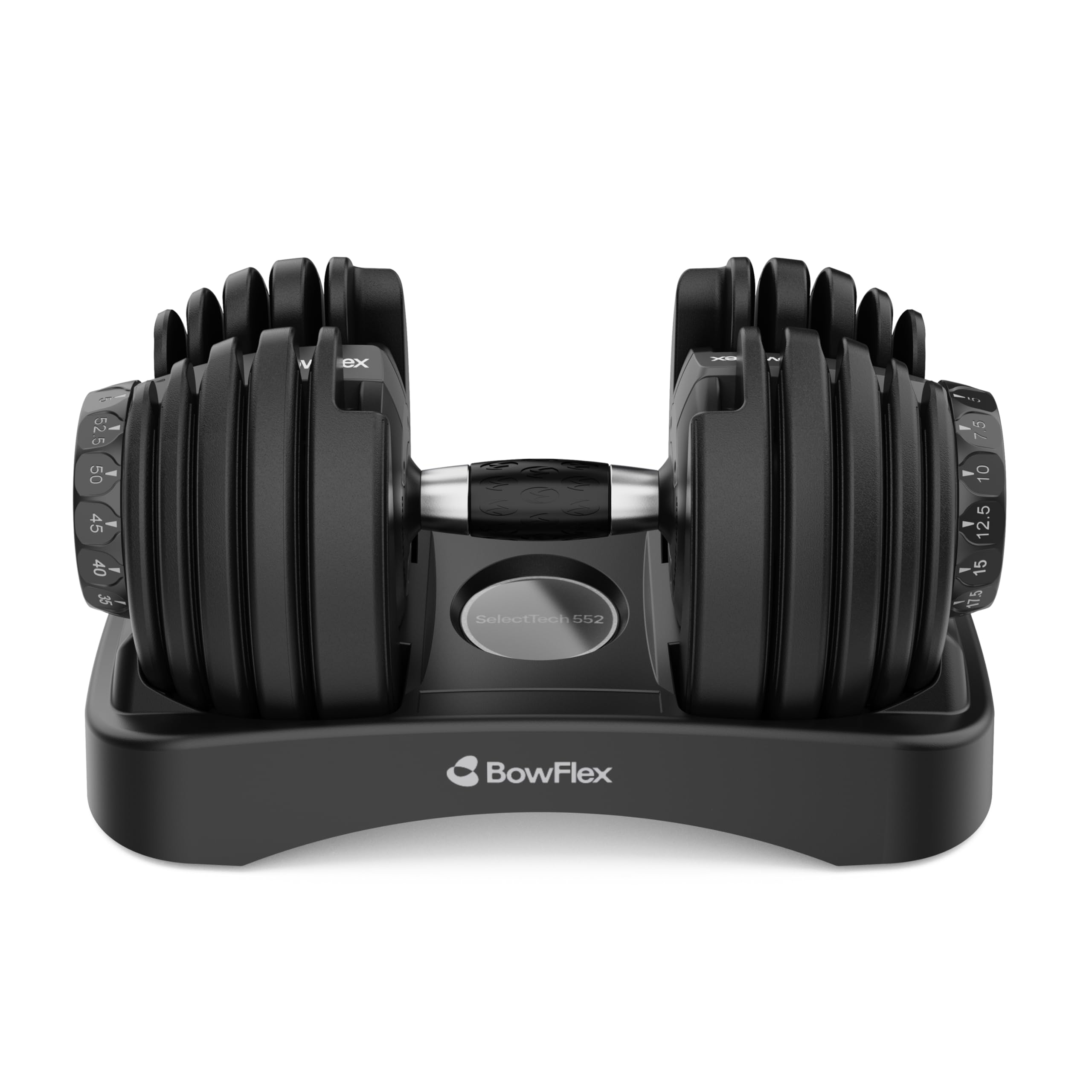
Home Fitness · Dumbbells
Best Adjustable Dumbbells (2026)
One set replaces a whole rack. We compared weight range, change speed, durability and price — including the Bowflex recall you need to know about.
Read Review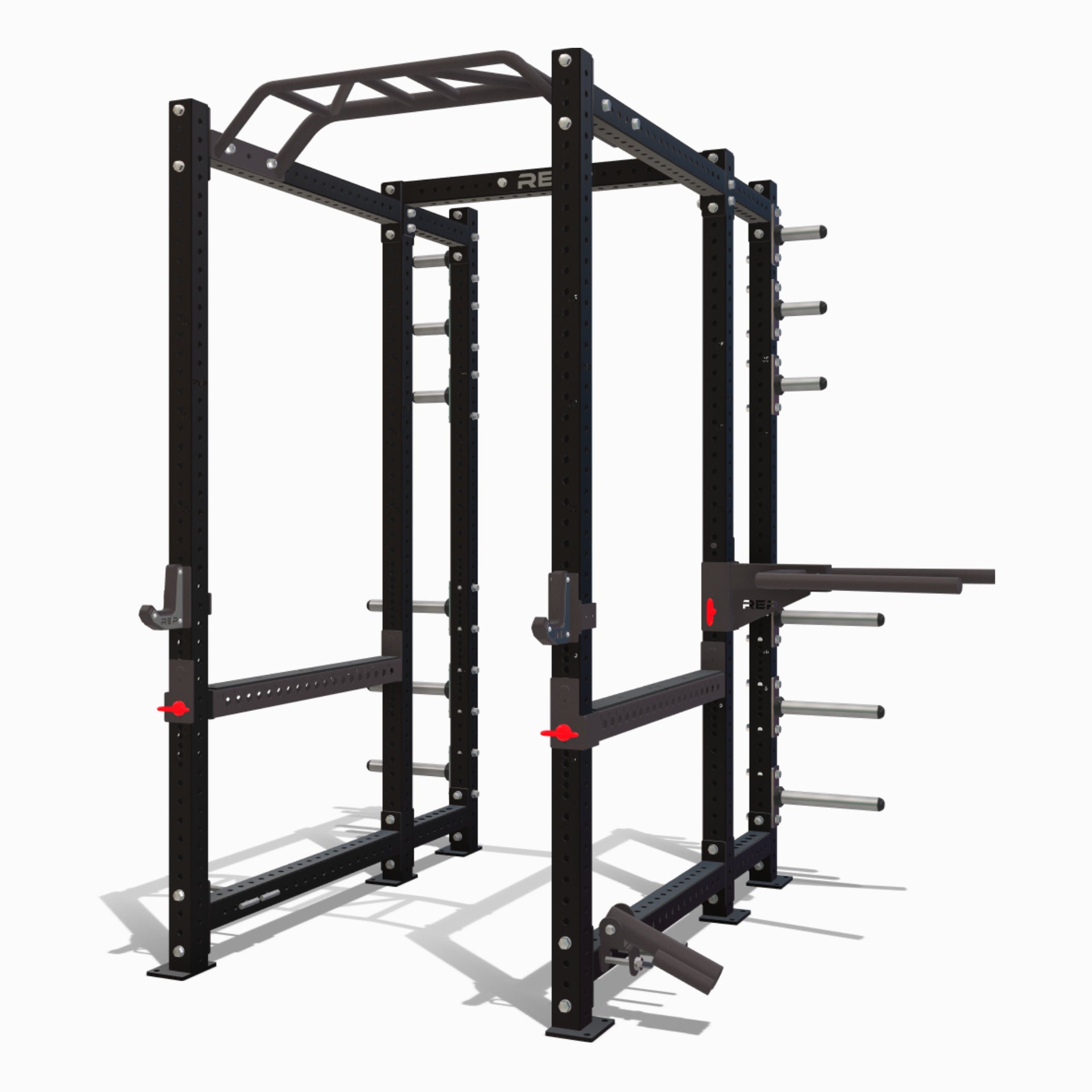
| Product | Best For | Key Feature | Price Range | |
|---|---|---|---|---|
| REP PR-4000 Power Rack | Best power rack overall | 3×3" 11-gauge steel, 1,000 lb, lifetime frame warranty | $700–$900 | Check Price on Amazon |
 Rogue R-3 Power Rack | Best American-made power rack | 2×3" 11-gauge steel, 1,000 lb, Westside spacing, made in USA | $650–$800 | Check Price on Amazon |
 Titan Fitness T-3 Series Power Rack | Best budget power rack | 2×3" 11-gauge steel, 1,100 lb rackable, from $520 | $500–$600 | Check Price on Amazon |
Prices are ranges at time of writing and change frequently — check Amazon for the current price.
We compared manufacturer specifications, expert reviews and verified owner feedback across the home power rack market, weighting steel gauge and build quality (30%), weight capacity (25%), footprint and height options (20%), the attachment ecosystem (15%) and value (10%). This is a research-based comparison of published specs and owner feedback, not a hands-on test. Every rack here is built from 11-gauge steel — the thickness serious lifters should treat as the minimum — and every one is rated to hold at least 1,000 lb, so the decision comes down to tube size, footprint, height options and price rather than raw strength.
Steel gauge is the first filter: 11-gauge (about 3 mm thick) is the home-gym standard, stiffer under heavy or dynamic loads than 12- or 14-gauge steel. Tube size is the second: the REP PR-4000 uses 3×3-inch uprights, the size most attachments are built for, while the Rogue R-3 and Titan T-3 use 2×3-inch uprights that keep the footprint smaller. Hole spacing is the third: all three offer 1-inch (Westside) spacing through the bench zone, so you can set the safeties exactly where you need them. We also checked what is actually included — J-hooks and safeties are sometimes sold separately — and whether the rack must be bolted to the floor. For the weights that pair with a rack like this, our best adjustable dumbbells guide covers the dumbbells that round out a strength setup.
The REP PR-4000 is the value sweet spot of a top-tier line. Its 3×3-inch 11-gauge uprights and 1,000 lb capacity match REP's flagship PR-5000, and the builder lets you choose 80- or 93-inch uprights and depths from 16 to 41 inches, so the same rack fits a low basement or a full garage gym. The lifetime warranty on the frame and welds is the best here, and the attachment ecosystem — dip bars, lat pulldowns, landmines, weight storage — is as deep as Rogue's. The trade-offs are freight shipping on a 250 lb-plus shipment and a 2–3 hour assembly, and the pre-selected configuration starts around $800 before attachments.
The Rogue R-3 is the classic American-made rack, now sold on Rogue's site as the Bolt-Together R-3. Its 2×3-inch 11-gauge steel and 1,000 lb rating are proven over a decade of garage gyms, it comes in 90- or 84-inch heights for low ceilings, and its 53×34-inch footprint is the most compact of the three. The catch is that J-hooks and safety bars are sold separately, so the headline price of around $700 grows once the rack is actually usable. The Titan T-3 is the budget champion: the same 2×3-inch 11-gauge steel, a 1,100 lb rackable capacity and Westside spacing from $519.99, with 82- or 91-inch heights and 24- or 36-inch depths. Its 1-year warranty is the shortest here and owner reports put its fit and finish a step below Rogue and REP, but for the money nothing else in this guide matches it. If you are building the whole gym at once, our best home gym gifts guide covers the accessories that complete a rack setup.
A power rack — also called a power cage — is a four-post steel frame with adjustable J-hooks (also called J-cups) that hold a barbell and safety bars or straps that catch it if you fail a rep. You squat, bench press and overhead press inside the cage, with the safeties set just below your lowest bar position, so you can train heavy alone without a spotter. The uprights are drilled with holes every inch or two; the J-hooks and safeties pin into those holes at whatever height your lift needs.
The rack is the centrepiece of a home gym because it replaces three machines: it is a squat rack, a bench press station and a pull-up bar in one footprint, and most racks accept attachments that add dips, rows, cable work and plate storage. The safety case is the whole point — a failed squat inside a rack ends with the bar resting on the safeties, not on you — which is why the safeties, not the pull-up bar, are the feature to check first. A rack also changes how you train: knowing you can bail safely lets you attempt heavier weights, and the fixed bar path of the J-hooks makes setup repeatable from session to session. Free weights round out the setup — our best adjustable kettlebell guide covers the compact weights that pair well with a rack in a small space.
The REP PR-4000 is the best power rack for most home gyms — 3x3-inch 11-gauge steel, a 1,000 lb capacity and a lifetime frame warranty for about $800. The Rogue R-3 is the best American-made option at around $700, and the Titan T-3 is the best budget pick from about $520.
Look for 11-gauge steel (about 3 mm thick) as a minimum. It is the home-gym standard: stiff under heavy and dynamic loads with minimal flex. Thinner 12- or 14-gauge steel is fine for light use but can flex when you load the bar heavy, and all three racks in this guide use 11-gauge steel.
The racks in this guide need roughly 53 by 34 inches of floor (the Rogue R-3) to about 51 by 47 inches (the REP PR-4000 in its deeper builds), plus room to load plates on the bar and walk around it. Allow at least 2 feet of clearance on each side and in front, and check your ceiling: the tallest option here is 93 inches, and you need headroom above the pull-up bar.
Bolting down is recommended for maximum stability, especially for pull-ups, rack pulls and band work — the Titan T-3 is a bolt-down design, and REP and Rogue both recommend anchoring. If you rent and cannot drill, a flat-foot rack or adding loaded weight storage to the rear posts can anchor the rack, but expect some movement on heavy lifts.
Buy the REP PR-4000 if you want the best rack for the money: 3×3-inch steel, a 1,000 lb capacity, a lifetime frame warranty and a configuration for any room. Buy the Rogue R-3 if you want an American-made classic with the deepest accessory ecosystem and the smallest footprint. Buy the Titan T-3 if your budget is tight and you want 11-gauge steel and a 1,100 lb rating for about $520. Whichever you choose, measure twice, bolt it down, and set the safeties before every heavy set — the rack is there to catch the bar so you can keep lifting.
Home Fitness · Dumbbells
One set replaces a whole rack. We compared weight range, change speed, durability and price — including the Bowflex recall you need to know about.
Read ReviewHome Fitness · Strength
The best adjustable kettlebell for 2026: Bowflex SelectTech 840, PowerBlock and Yes4All compared on weight range, adjustment speed and build.
Read ReviewHome Fitness · Strength
The best home gym gifts for 2026: PowerBlock and NÜOBELL adjustable dumbbells, a TRX Home2 and a foldable WalkingPad — premium fitness gifts that fit real homes.
Read Review
