Home Comfort · Vacuums
Best Robot Vacuum for Pet Hair (2026) — Top Picks
Find the best robot vacuum for pet hair in 2026. We compared self-emptying docks, detangling brushes and suction to pick the best for dogs and cats.
Read Review
| Product | Best For | Key Feature | Price Range | |
|---|---|---|---|---|
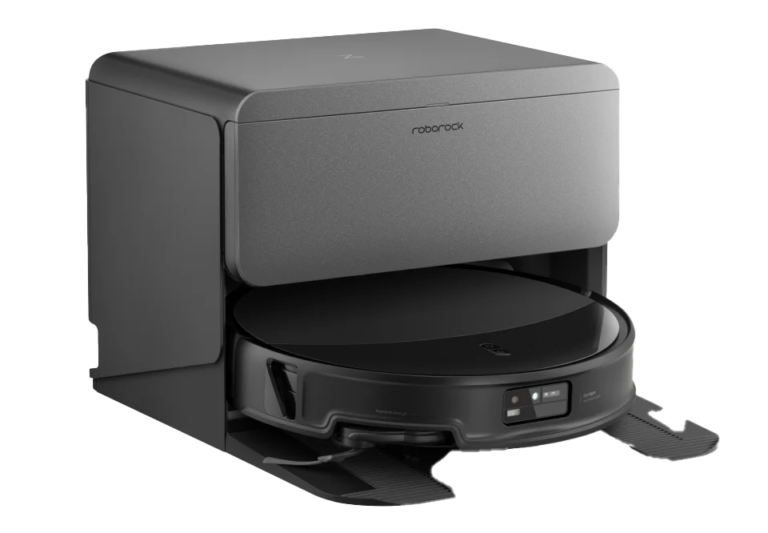
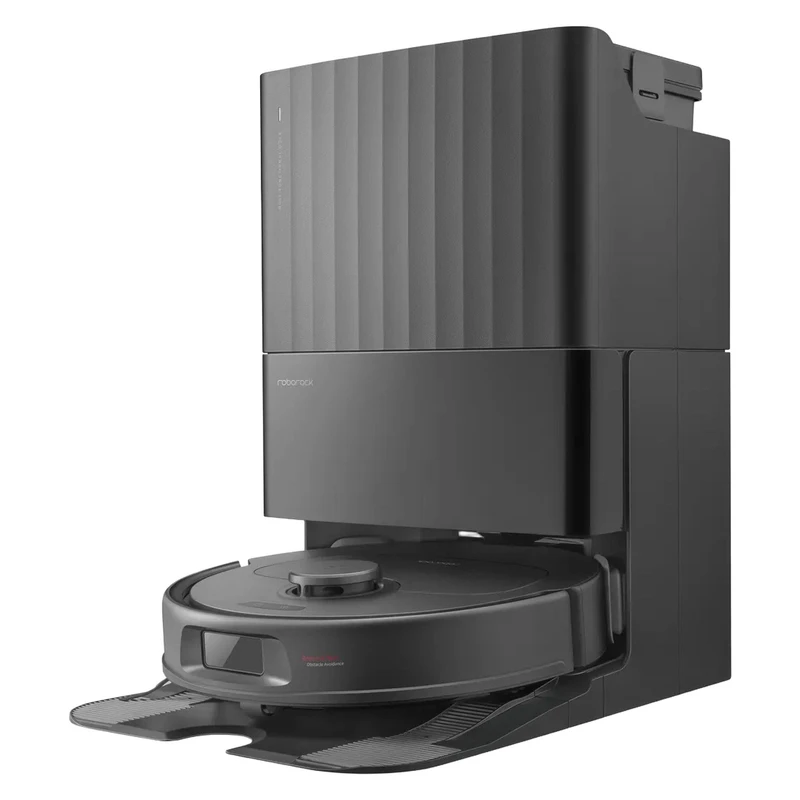
| Roborock S8 Pro Ultra | Best robot overall | 6,000Pa suction, self-washing dock, sonic mopping | $1,000–$1,600 | Check Price on Amazon |
 iRobot Roomba j9+ | Best robot for obstacle avoidance | PrecisionVision navigation, self-emptying Clean Base | $700–$900 | Check Price on Amazon |
 Shark Stratos | Best upright for carpet | DuoClean PowerFins, Powered Lift-Away, HEPA seal | $300–$500 | Check Price on Amazon |
 Dyson Ball Animal 3 | Best upright for pet homes | 290 AW suction, de-tangling Motorbar, 50 ft reach | $300–$450 | Check Price on Amazon |
Prices are ranges at time of writing and change frequently — check Amazon for the current price.
A robot vacuum and an upright vacuum solve the same problem in opposite ways. A robot is a small, battery-powered machine that navigates your home on its own, using cameras, lasers or sensors to map rooms and avoid obstacles. It cleans a little bit, very often — typically daily — so dirt never gets the chance to build up. Its suction is modest compared with a plug-in machine, but its consistency is the point: a floor vacuumed every day stays cleaner than a floor vacuumed brilliantly once a week.
An upright is the classic plug-in workhorse. A large motor drives a wide motorised brush roll that agitates carpet fibres while strong suction pulls the loosened dirt into a bag or bin. Because it draws mains power, it can sustain far more suction than any battery robot, and because you push it, you decide where the effort goes — deep into the carpet pile, along the edges, up the stairs with a hose and tools. The trade-off is your time and energy: an upright only cleans when you clean.
That difference explains almost everything else. Robots win on frequency and convenience; uprights win on power and versatility. The right choice depends on your floors, your pets, and how much cleaning you are willing to do yourself.
On hard floors, the gap is small. A robot with strong suction and a good brush system picks up dust, crumbs and hair from wood, tile and laminate nearly as well as an upright, and it does it under furniture you would never move. The Roborock S8 Pro Ultra adds sonic mopping on top, scrubbing hard floors as it vacuums — something no upright in this comparison does. If your home is mostly bare floors, a robot covers your daily needs and an upright becomes a monthly tool for edges and stairs.
On carpet, the upright pulls ahead decisively. The Shark Stratos pairs two brush rolls — a soft front roller and a PowerFins brush roll — with a 1,416-watt motor and a sealed HEPA system, while the Dyson Ball Animal 3 delivers 290 air watts through a de-tangling Motorbar cleaner head. Both are built to dig into carpet pile. A robot's smaller motor and lighter body simply cannot agitate fibres the same way, so embedded dirt and sand stay put until an upright passes over them. Independent testing of uprights consistently shows near-total pickup of surface debris on low-pile carpet, a result robots approach only on their highest settings and multiple passes.
Pet hair is where the two types complement each other best. Robots with dual rubber brushes, like the Roomba j9+, resist tangles and run daily, so hair never accumulates into the clumps that clog a vacuum. But a robot cannot clean the sofa the dog sleeps on, the stairs the cat uses, or the car — that is upright territory, with a motorised pet tool. Our best robot vacuum for pet hair guide goes deeper on the robot side, and the Dyson's de-tangling head is specifically engineered for homes where long hair is a daily fact of life.
The sticker price is only the start. A self-emptying robot like the Roomba j9+ or the S8 Pro Ultra needs replacement dust bags for its dock, plus filters and brushes on a schedule, and its battery will eventually lose capacity and need replacing — typically after a few years of daily use. The S8 Pro Ultra's dock also washes its own mop, which means keeping the dock's water tanks clean and occasionally descaling them. Budget roughly $50–$100 a year in consumables for a flagship robot, more if it runs daily in a pet home.
Uprights are cheaper to keep. Both the Shark Stratos and the Dyson Ball Animal 3 are bagless, so there are no bags to buy; their filters are washable, and the main consumables are the occasional brush roll or belt. The Shark's odour-neutraliser cartridge needs replacing about every six months, per Shark, which is its one recurring cost. Over five years, an upright will almost always cost less to run than a robot — but it costs you something else instead: your time, every single clean.
There is also the question of lifespan and repairability. A well-made upright can last a decade or more with basic care. Robots, with their batteries, sensors and software, tend to be replaced sooner — and when a manufacturer ends software support, an app-controlled robot can lose features an upright never had. If you buy a robot, buy from a brand with a long track record of supporting older models.
For daily maintenance cleaning on hard floors and low-pile carpet, a good robot vacuum largely can — it runs on a schedule and keeps dust and pet hair from building up. For deep cleaning thick carpet, stairs, upholstery and the occasional heavy mess, most homes still need an upright or a stick vacuum. Many households end up owning both, using the robot daily and the upright weekly.
An upright cleans carpet better. Its larger motor, wider cleaning path and heavier body let it agitate carpet fibres and pull out embedded dirt that a small robot cannot match. Robot vacuums compensate with frequency — cleaning every day — but on a single pass over medium or thick carpet, the upright wins every time.
Yes, especially the self-emptying models with rubber brush rolls. Dual rubber brushes resist tangles far better than bristle brushes, and a robot that runs daily stops pet hair from accumulating into clumps. Our best robot vacuum for pet hair guide compares the strongest models, but even the best robot needs its brushes and filters cleaned regularly.
A robot vacuum usually costs more over time. Self-emptying models need replacement dust bags, and both types need filters and brushes, but the robot adds a battery that will eventually need replacing and a dock with its own consumables. An upright's main running costs are filters and the occasional belt or brush roll, and bagless models have no bag cost at all.
Buy the Roborock S8 Pro Ultra if you want the closest thing to a set-and-forget clean — it vacuums and mops daily, empties and washes itself, and keeps hard floors genuinely clean with no effort from you. Buy the Roomba j9+ if your floors are an obstacle course of cords, shoes and pet bowls, since its PrecisionVision navigation avoids the things that stop other robots. Buy the Shark Stratos if carpet is your main floor and you want the deepest clean per pass, or the Dyson Ball Animal 3 if pets and long hair are your daily battle. And if your budget stretches to two machines, the honest best answer is a robot for every day and an upright for the weekend deep clean — they do different jobs, and together they cover a home properly. For a robot that also mops, see our best robot vacuum and mop combo comparison.
Home Comfort · Vacuums
Find the best robot vacuum for pet hair in 2026. We compared self-emptying docks, detangling brushes and suction to pick the best for dogs and cats.
Read ReviewHome Comfort · Vacuums
Looking for the best robot vacuum and mop combo? We compared flagship mopping, self-washing docks and suction to find the best 2-in-1 for 2026.
Read ReviewHome Comfort · Vacuums
The best robot vacuum for hardwood floors in 2026: we compared suction, mopping, scratch safety and navigation to find the best bots for bare floors.
Read Review