
Kitchen Appliances · Cooking
Best XL Air Fryer for Family (2026) — Top Picks
Find the best XL air fryer for family dinners in 2026. We compared dual-basket capacity, wattage and ease of cleaning to pick the best for families of 4–6.
Read Review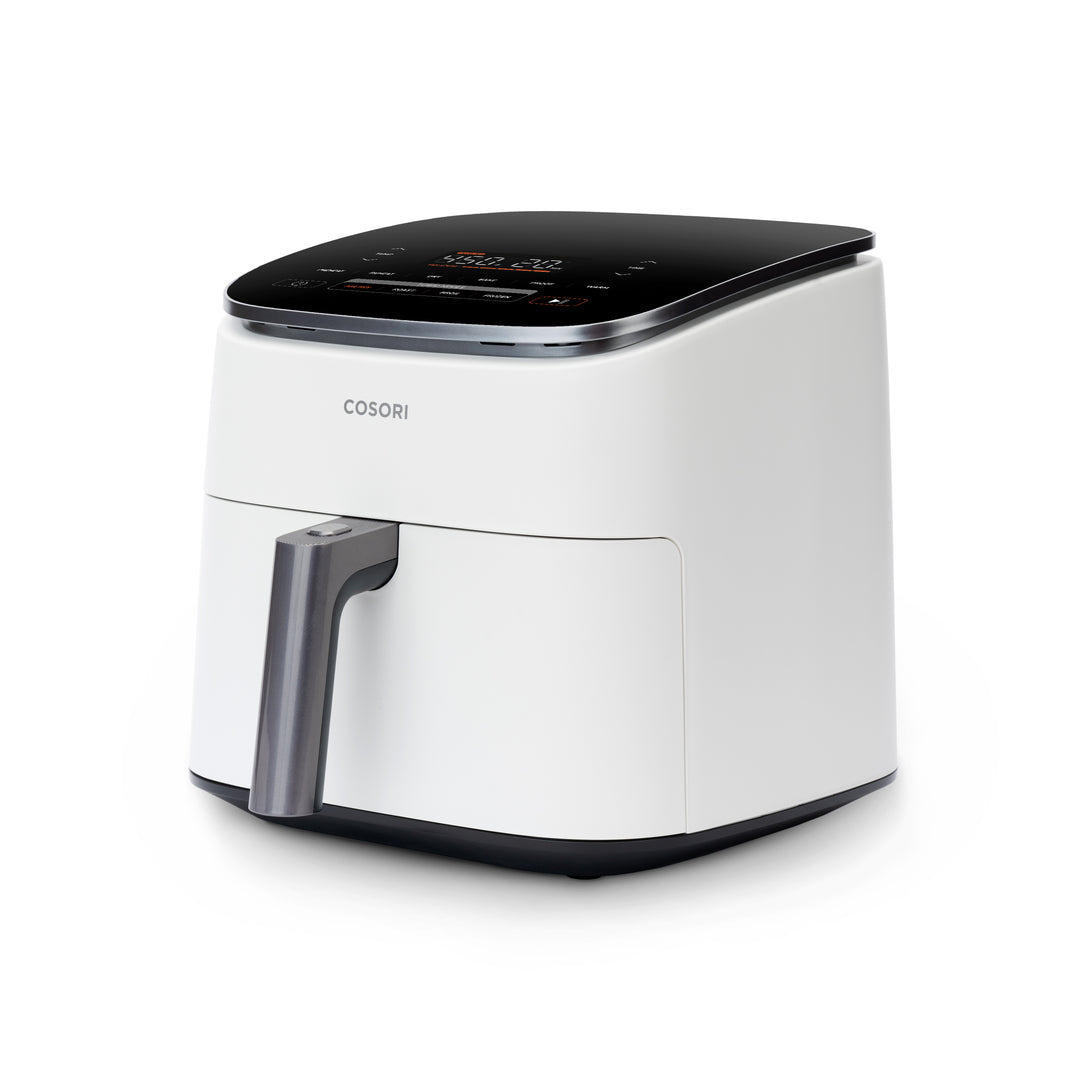
| Product | Best For | Key Feature | Price Range | |
|---|---|---|---|---|
| COSORI TurboBlaze 6.0-Qt | Best basket air fryer | 6-qt basket, rapid air circulation | $90–$140 | Check Price on Amazon |
 Ninja Foodi DZ201 | Best dual-basket | Two 4-qt zones, Smart Finish | $170–$230 | Check Price on Amazon |
 Breville Smart Oven Air Fryer Pro | Best convection oven with air fry | 13 cooking functions, Element IQ | $350–$400 | Check Price on Amazon |
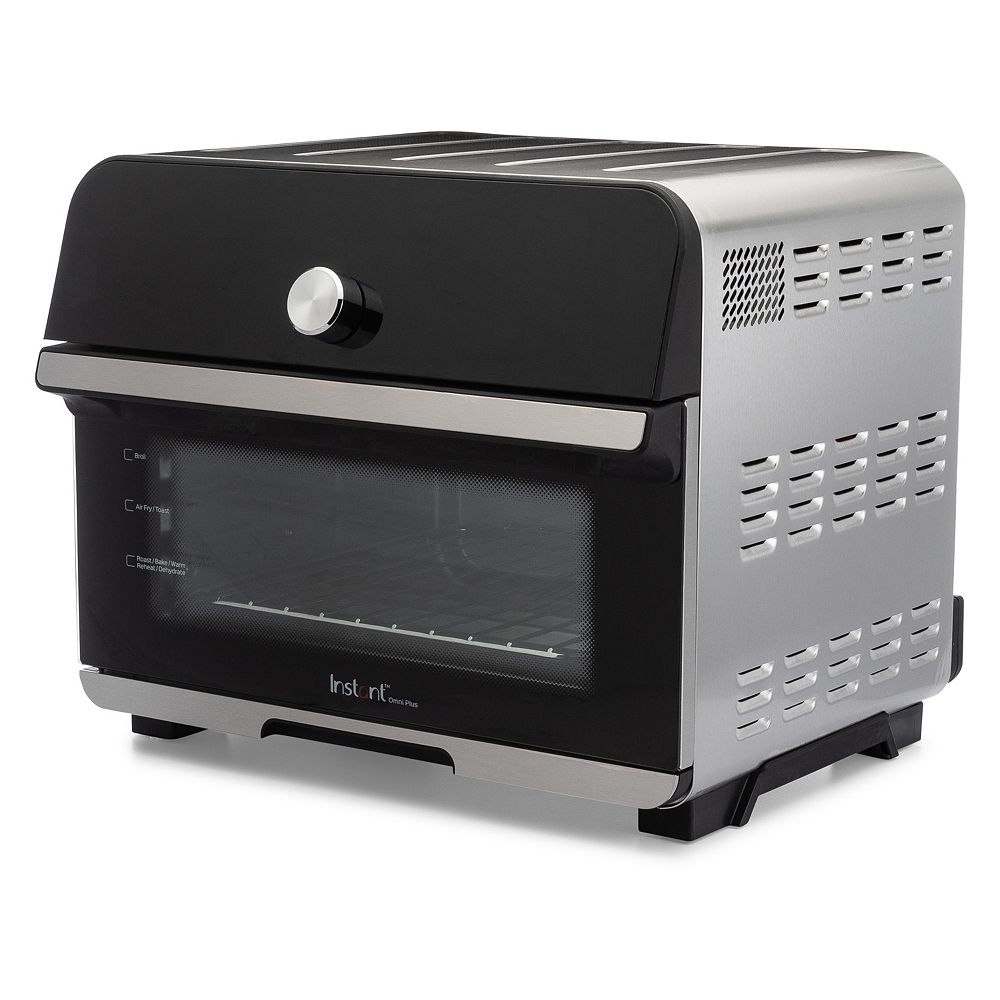 Instant Omni Plus 18L | Best value oven-style | 10-in-1 functions, rotisserie, 18L | $180–$250 | Check Price on Amazon |
Prices are ranges at time of writing and change frequently — check Amazon for the current price.
An air fryer is a compact convection cooker. A heating element and a powerful fan sit above a small, perforated basket, and the fan drives very hot air around the food at high speed. Because the chamber is tiny and the food sits close to the heat, the surface of the food dries and browns quickly — that is the crispiness air fryers are famous for, achieved with a spoonful of oil instead of a pot of it. A basket air fryer like the COSORI TurboBlaze 6.0-Qt does this in a 6-quart drawer you can shake halfway through cooking; the Ninja Foodi DZ201 doubles it with two independent 4-quart zones, each with its own fan and heater.
A convection oven uses the same principle — a fan circulating hot air — but spread across a full-size cavity with racks, a glass door and multiple heating elements. The Breville Smart Oven Air Fryer Pro adds a dedicated air fry function to a 13-function countertop oven, with its Element IQ system adjusting the heating elements for each mode; the Instant Omni Plus 18L offers 10 functions including rotisserie, with EvenCrisp technology driving airflow from the top down. Because the cavity is larger, the air moves more gently and the heat is spread over a bigger area — better for even baking and roasting, slower to crisp a small batch of fries.
The practical difference is heat density. In an air fryer, a small amount of food gets a lot of fast-moving hot air; in a convection oven, a large amount of food gets a moderate amount. That is why the same chicken wings come out crisper in the basket but a whole roast chicken only fits in the oven. Neither technology is new — convection ovens have been standard in professional kitchens for decades — but the air fryer repackaged it into a countertop appliance that is faster for everyday meals.
On crispiness, the basket air fryer wins for small batches. The TurboBlaze's tight chamber and rapid circulation brown fries and wings in 10–20 minutes with almost no preheat, and the perforated basket lets hot air reach every side. The Ninja DZ201 extends that advantage to family cooking: its Smart Finish feature syncs two zones so a main and a side finish at the same time, and Match Cook copies one zone's settings to the other for a full 8-quart batch — up to 4 lbs of fries or wings at once, according to the manufacturer. If you mostly cook for one or two, our best XL air fryer for family guide covers larger basket options.
On capacity, the convection oven wins outright. The Breville Smart Oven Air Fryer Pro fits a 14-pound turkey or a 12-inch pizza in its 1-cubic-foot cavity, and the Instant Omni Plus fits a 12-inch pizza, six slices of bread or a whole chicken in its 18-litre interior — loads no basket air fryer can match. Baking is the clearest dividing line: cookies, cakes and bread need the even, gentle heat and the flat rack space of an oven, and the Breville's dedicated cookies and proofing functions are built for exactly that. If your cooking is mostly baking and roasting with occasional air frying, the oven-style models are the right buy.
On speed and cost, the basket air fryer wins the weeknight and the oven wins the weekend. A basket air fryer is cooking within a minute of being switched on; a convection oven needs several minutes to preheat, though far less than a wall oven. Running costs follow the same pattern: the Ninja draws 1,690 watts but finishes a batch quickly, while the Breville and Instant draw around 1,800 watts for longer sessions — still far less energy than heating a full-size oven for the same meal. On price, the TurboBlaze at $90–$140 is the cheapest way into air frying, the DZ201 at $170–$230 is the family upgrade, the Omni Plus at $180–$250 is the value oven, and the Breville at $350–$400 is the premium one. For Christmas gifting, see our best gifts for home chefs guide, where the Breville is a headline pick.
Buy a basket air fryer if you cook for one to three people, if your most-cooked foods are fries, wings, nuggets, vegetables and reheated leftovers, and if speed matters more than batch size. The COSORI TurboBlaze 6.0-Qt is the default pick: big enough for a family side dish, small enough to live on the counter, and cheap enough to be an easy Black Friday buy. Buy the Ninja Foodi DZ201 if you cook for four or more and are tired of cooking in rounds — two zones that finish together genuinely change weeknight dinners.
Buy a convection oven if you bake, roast whole chickens, cook for a crowd, or want one appliance that replaces both a toaster oven and an air fryer. The Instant Omni Plus is the value choice — 10 functions, rotisserie included, at roughly half the Breville's price. The Breville Smart Oven Air Fryer Pro is the premium choice: better temperature control, a larger and more even cavity, and the build quality to last years of daily use. Both are countertop ovens first and air fryers second, so expect slightly less aggressive crisping than a basket — the trade-off for all that capacity.
And yes, many kitchens end up with both, and that is the honest answer for keen cooks: a basket air fryer for fast, crispy weeknight sides and an oven-style model for roasts, baking and big family meals. If counter space allows only one, count your meals for a week: if most are small, fast and crispy, buy the basket; if most are large, baked or roasted, buy the oven. Either way, late November is the best time to buy — air fryers and countertop ovens are among the most heavily discounted small appliances of Black Friday Week. If you need help choosing for a family, our best food processor for home cooks guide covers another countertop workhorse worth pairing with either pick.
Essentially, yes — both cook with a fan circulating hot air. The difference is scale and intensity: an air fryer packs a powerful fan and heating element into a small basket, so the air moves faster and food sits closer to the heat, which is why fries and wings come out crispier and faster. A convection oven spreads the same idea across a full-size cavity, so it cooks larger batches more evenly but takes longer to preheat and crisp.
For small, crisp foods — fries, wings, nuggets, reheated pizza — the air fryer usually wins, because the tight chamber and fast airflow brown the surface quickly. For roasts, whole chickens, baked goods and anything that needs even heat across a large tray, a convection oven wins. The food itself is the same; the air fryer just concentrates the heat on a smaller batch.
For one or two people, often yes — a 6-quart basket air fryer like the COSORI TurboBlaze handles most weeknight cooking, and a dual-basket Ninja DZ201 covers a family main and side at once. It cannot replace an oven for large roasts, multiple trays of baking, or a 12-inch pizza, which is where an oven-style model like the Breville Smart Oven Air Fryer Pro or Instant Omni Plus earns its place.
Per meal, the air fryer almost always uses less. A basket air fryer draws around 1,700 watts but cooks a batch in 10–20 minutes with almost no preheat, while a full-size convection oven draws more power and needs 10–15 minutes just to reach temperature. Countertop convection ovens like the Instant Omni Plus sit in between: they draw about 1,800 watts but heat a much smaller cavity than a wall oven, so they still beat a full-size oven on a typical weeknight meal.
Buy the COSORI TurboBlaze 6.0-Qt if you want the best basket air fryer for the money — fast, crispy and cheap enough to be a Black Friday no-brainer. Buy the Ninja Foodi DZ201 if you cook for a family and want two foods finishing together. Buy the Instant Omni Plus if you want oven capacity and rotisserie at a value price, and the Breville Smart Oven Air Fryer Pro if you want the best countertop oven that also air fries. The real question was never which technology is better — it is which batch size you cook most. Answer that, and the right appliance picks itself.
Kitchen Appliances · Cooking
Find the best XL air fryer for family dinners in 2026. We compared dual-basket capacity, wattage and ease of cleaning to pick the best for families of 4–6.
Read ReviewKitchen Appliances · Cooking
The best gifts for home chefs in 2026: a Vitamix 5200, Breville's Smart Oven Air Fryer Pro, a Blendtec and a Ninja — premium kitchen gifts compared on power and versatility.
Read ReviewKitchen Appliances · Cooking
Find the best food processor for home cooks in 2026. We compared bowl size, motor power, blades and ease of cleaning to pick the best for every kitchen.
Read Review