Kitchen · Blenders
Best Blender for Smoothies (2026)
Silky smoothies start with real power. We compared motor strength, blade design and presets across the top smoothie blenders.
Read Review
| Product | Best For | Key Feature | Price Range | |
|---|---|---|---|---|
| Cuisinart 14-Cup Food Processor | Best overall | 14-cup bowl, 720W, 5-year motor warranty | $200–$300 | Check Price on Amazon |
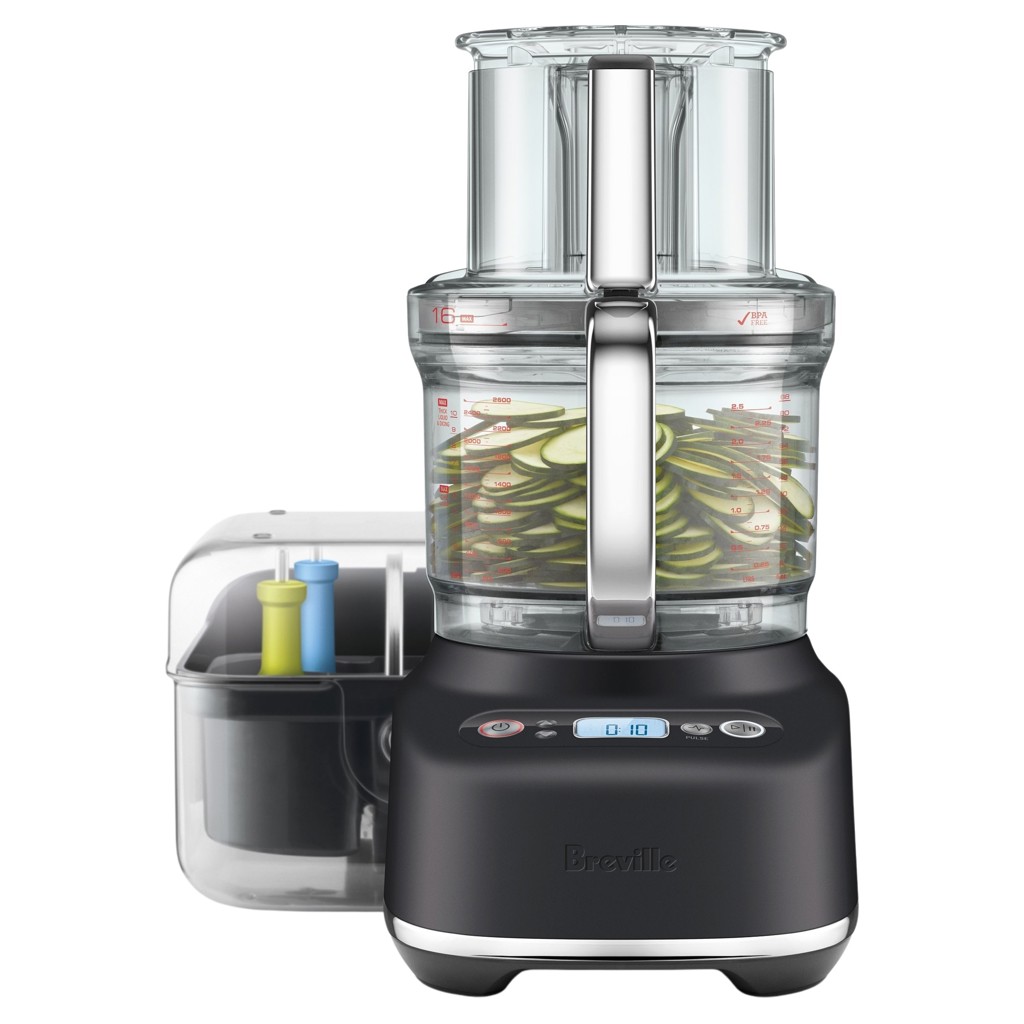 Breville Sous Chef 16-Cup | Best premium / dough | 16-cup bowl, 1,450W induction motor | $400–$500 | Check Price on Amazon |
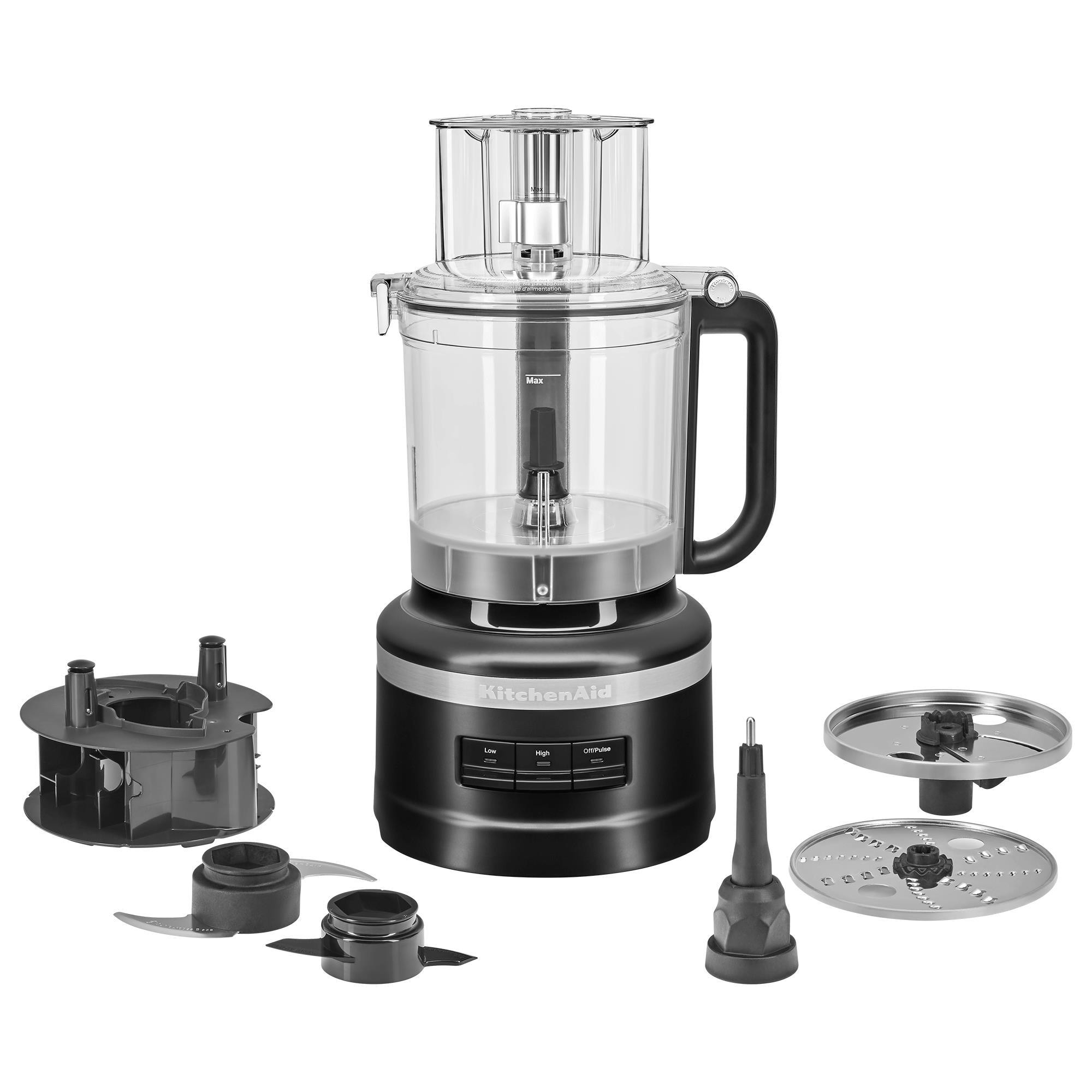 KitchenAid 13-Cup Food Processor | Best for dicing | 13-cup bowl, dicing kit, in-bowl storage | $180–$260 | Check Price on Amazon |
| Best budget | 9-cup bowl, Auto-iQ presets, dough blade | $90–$130 | Check Price on Amazon |
Prices are ranges at time of writing and change frequently — check Amazon for the current price.
We compared manufacturer specifications, aggregated verified buyer feedback, and expert coverage of the late-2026 food processor market, weighting five criteria: bowl capacity (25%), motor power and dough performance (25%), blade and disc versatility (20%), ease of cleaning and storage (15%), and value (15%). This is a research-based comparison of specs, verified buyer feedback and expert coverage — not a hands-on test. Models with repeated reports of weak motors, cracking bowls or blades that dulled quickly were excluded.
A food processor earns its place by doing the boring work of cooking: dicing onions without tears, shredding a block of cheese in seconds, turning chickpeas into hummus, or kneading pizza dough in under a minute. The difference between a good one and a bad one is not speed — it is consistency. A good processor chops evenly instead of turning half the batch to mush, slices uniformly, and keeps going through a stiff dough without smelling of hot motor.
Our four picks cover the realistic range. The Cuisinart 14-Cup is the benchmark that most expert roundups name as the best overall: a large bowl, simple controls and decades of proven design. The Breville Sous Chef 16 is the premium pick for serious bakers, with a 1,450-watt induction motor that nothing else in this guide can match. The KitchenAid 13-Cup is the dicing specialist, with a kit that turns out neat cubes for salads and salsas. The Ninja Professional Plus is the budget pick, with automatic presets and a dough blade for under $100 in many sales. If you also need a machine for liquids, our guide to the best blender for smoothies covers that job, and our best stand mixer for bread guide is the right read if baking is your main hobby.
Bowl size is the first decision, and it is easier than it looks. A 14-cup bowl like the Cuisinart's sounds huge, but that is the dry capacity — the working capacity for liquids is lower, and a big bowl is what lets you make a double batch of pie dough or four cups of hummus in one pass. For most home cooks, 11 to 14 cups is the sweet spot. Go smaller and you will be splitting batches; go bigger, like the Breville's 16 cups, and you gain room for the largest jobs but lose the ability to mince a single clove of garlic cleanly. The Breville solves this with a 2.5-cup mini bowl that nests inside the big one, which is a thoughtful touch for small jobs.
Motor power is quoted in watts, and the spread in this guide is wide: 720 watts for the Cuisinart, around 1,000 peak watts for the Ninja, and a full 1,450 watts for the Breville's induction motor. Watts are not everything — gearing and blade design matter too — but for dough, power is the honest signal. A weak motor strains, heats up and can shut off mid-knead. The Breville's induction direct-drive motor is the only one here built to hold a heavy dough load indefinitely, and it carries a long warranty to match. The Cuisinart's 720-watt motor is covered for five years and handles normal dough easily; the Ninja's presets and dough blade make it surprisingly capable for its price, though it is louder and less refined.
Discs and blades are the third decision. Every machine here chops with an S-blade, but the slicing and shredding discs are where they differ. The Cuisinart ships with a straightforward set that covers most jobs. The Breville adds adjustable slicing thickness, which is genuinely useful for gratins and salads. The KitchenAid's dicing kit is the standout feature of this group: it dices potatoes, onions and peppers into neat cubes, which no other machine here does as well. Before buying, check what is in the box and what costs extra — a processor that needs a $40 disc to do the job you bought it for is not the bargain it looked like.
Dough is the test that separates serious processors from toys. A plastic dough blade and a strong motor can knead bread or pizza dough in 30 to 60 seconds, which is dramatically faster than a stand mixer for small batches. The Breville is the best dough machine in this guide by a clear margin, and the Cuisinart handles a double batch of pie dough without breaking a sweat. If you bake bread weekly, this matters; if you never make dough, it should not drive your decision. Either way, do not overfill the bowl with dough — most manufacturers recommend filling it no more than half full for dough, and ignoring that is the fastest way to stall a motor.
Cleaning and storage decide whether a processor gets used or gathers dust. All four of these machines have dishwasher-safe bowls, lids and discs on the top rack, though many owners wash blades by hand to keep them sharp. The KitchenAid deserves a mention for in-bowl storage: its discs and blades store inside the bowl, which solves the eternal problem of where to put them. The Breville is the heaviest machine here and the most storage-hungry, so think about where it will live before you buy. A processor stored in a high cupboard gets used half as often as one that sits on the counter.
Black Friday Week is a good time to buy a food processor, and it also makes a popular Christmas gift for a home cook. The Cuisinart and Ninja are frequently discounted in late November, and the Breville sometimes drops by $50 or more. If you are buying as a gift, the Cuisinart is the safest choice: it is the model most people would pick for themselves, it is simple to use out of the box, and it does not need extra accessories to be useful on day one.
For most home cooks, an 11- to 14-cup bowl is the sweet spot: big enough for a double batch of pie dough or a family-sized salsa, but not so big that small jobs like mincing garlic get lost. If you cook for one or two, a 7- to 9-cup model is plenty.
Yes, most full-size food processors can knead dough with a plastic dough blade, and they do it in about 30 to 60 seconds. The Breville Sous Chef 16 is the strongest dough machine in this guide, while the Cuisinart 14-cup handles a double batch of pie dough in one go.
They do different jobs. A food processor chops, slices, shreds and kneads with interchangeable blades and discs, while a blender is better for liquids like smoothies and soups. Many kitchens benefit from owning both — see our guide to the best blender for smoothies if you need one.
Most bowls, lids and discs are dishwasher safe on the top rack, but blades should be handled carefully and many owners wash them by hand to keep them sharp. Always check the manual: some bowls warp if washed on a hot cycle.
For most home cooks, the Cuisinart 14-Cup is the best food processor: the right size, a strong motor, simple controls and a price that leaves room in the budget. Choose the Breville Sous Chef 16 if you bake seriously and want the strongest dough performance available, the KitchenAid 13-Cup if dicing matters to you, and the Ninja Professional Plus if you want capable processing for around $100. Buy during Black Friday Week if you can, and pick the size for the cooking you actually do — a bowl that is too big is almost as annoying as one that is too small.
Kitchen · Blenders
Silky smoothies start with real power. We compared motor strength, blade design and presets across the top smoothie blenders.
Read ReviewKitchen · Baking
Heavy dough needs a heavy-duty mixer. We compared bowl-lift power, dough capacity and durability to find the best bread mixers.
Read ReviewKitchen · Air Fryers
Feed the whole family in one batch. We compared dual-basket capacity, wattage and ease of cleaning to pick the best XL air fryers for families of 4–6.
Read Review
