Sleep · Mattresses
Best Mattress for Side Sleepers (2026)
Side sleepers need pressure relief at the shoulders and hips. We compared the best mattresses for side sleeping — comfort, support and cooling.
Read Review
| Product | Best For | Key Feature | Price Range | |
|---|---|---|---|---|
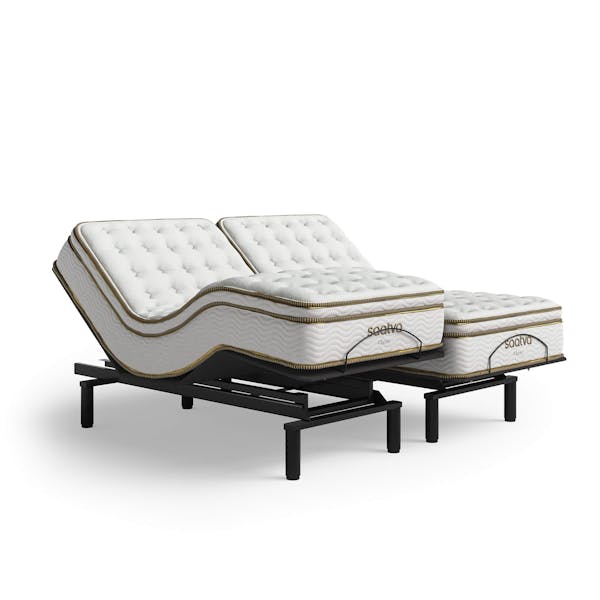
| Saatva Classic | Best overall for back pain | Zoned lumbar support, dual-coil, 3 firmness options | $1,400–$3,200 | Check Price on Amazon |
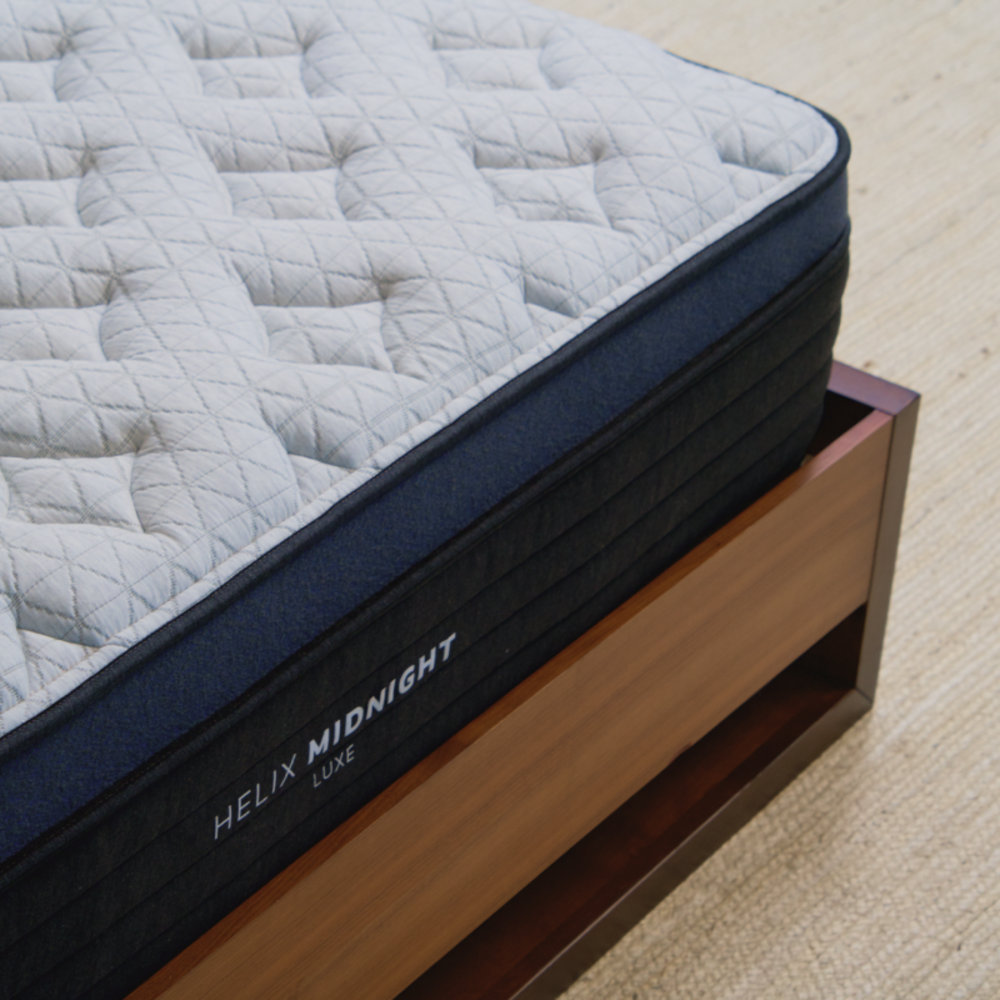 Helix Midnight Luxe | Best for side sleepers with back pain | Zoned coils, pillow top, medium feel | $1,400–$2,600 | Check Price on Amazon |
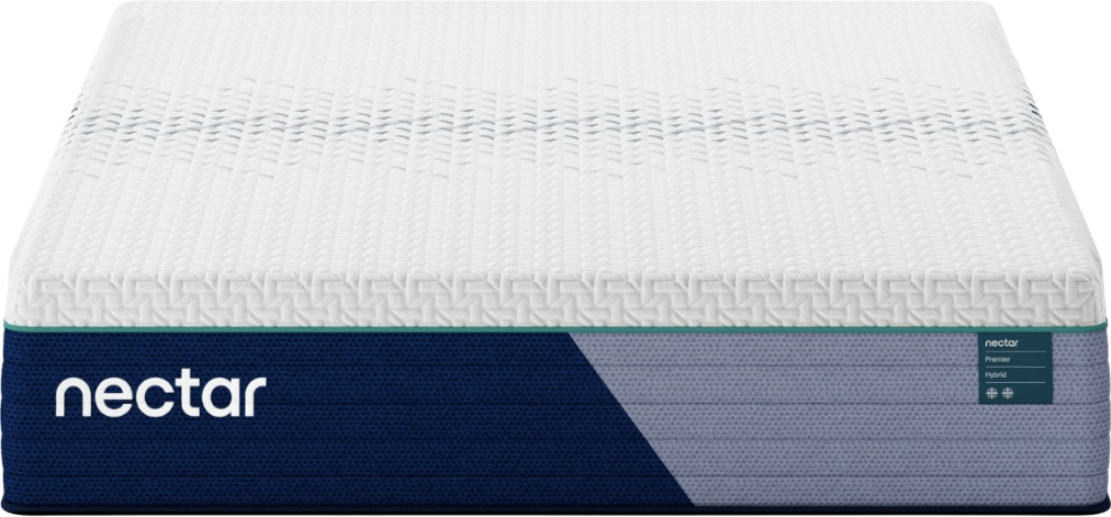 Nectar Premier Hybrid | Best pressure relief | Cooling cover, responsive foam, 365-night trial | $900–$1,800 | Check Price on Amazon |
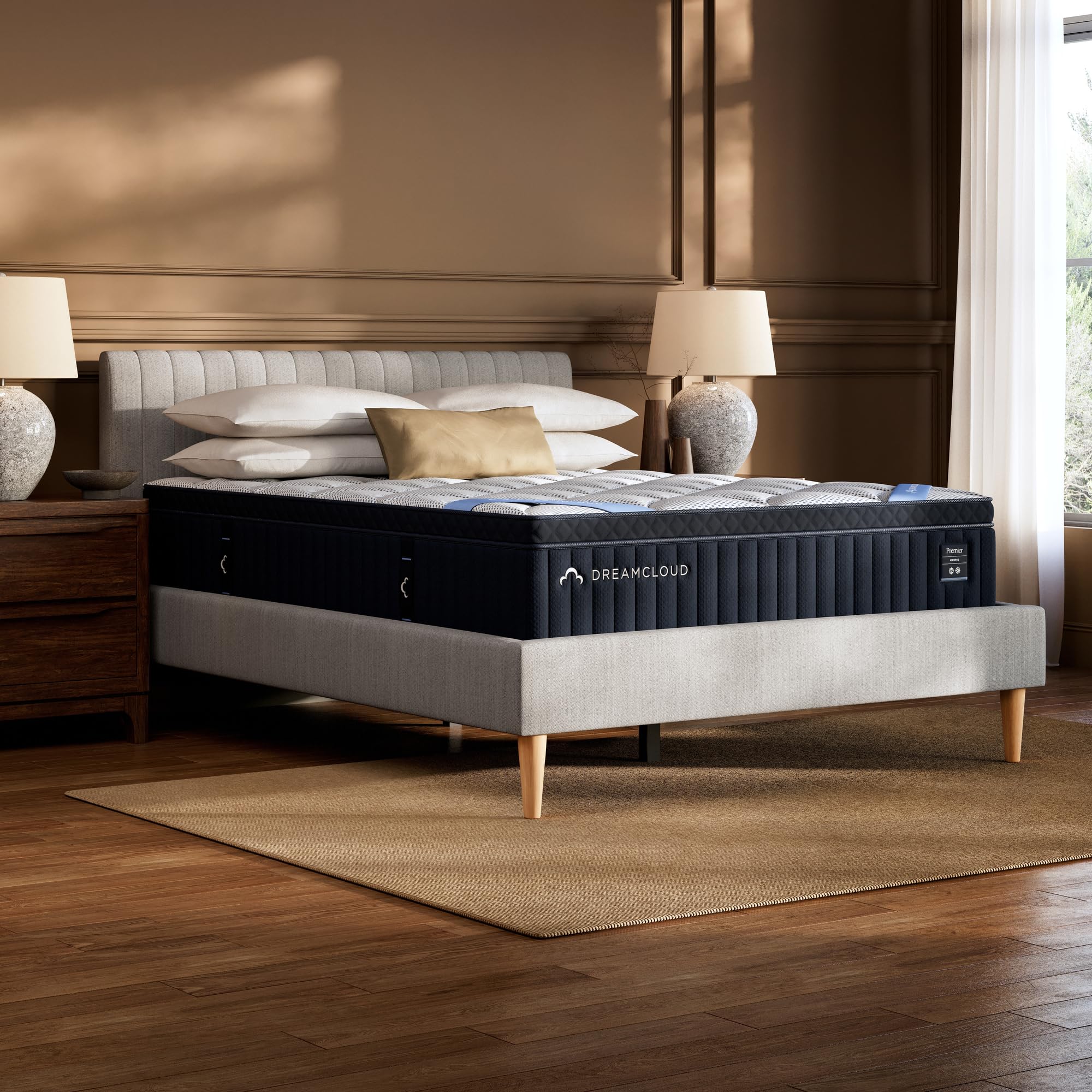
 DreamCloud Premier Hybrid | Best value hybrid | Cashmere-blend cover, gel foam, 365-night trial | $700–$1,700 | Check Price on Amazon |
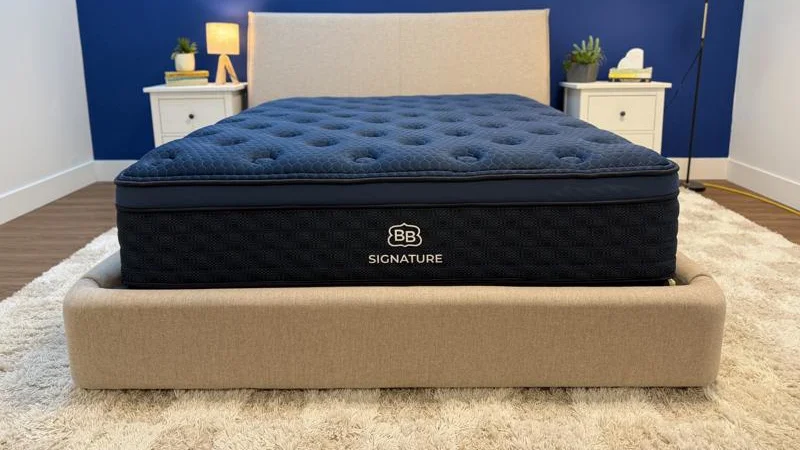 Brooklyn Bedding Signature Hybrid | Best customizable firmness | 3 firmness levels, TitanFlex foam, coils | $800–$1,800 | Check Price on Amazon |
Prices are ranges at time of writing and change frequently — check Amazon for the current price.
We compared manufacturer specifications, aggregated verified buyer feedback and expert coverage of the late-2026 mattress market, weighting five criteria: lumbar support and spinal alignment (30%), firmness options (25%), pressure relief (20%), durability and sag resistance (15%), and trial and warranty terms (10%). This is a research-based comparison of specs, verified buyer feedback and expert coverage — not a hands-on test. One important note: a mattress can help with mechanical back pain linked to poor sleep posture, but it is not a treatment for injury or chronic medical conditions. If your back pain is severe, persistent or accompanied by numbness, see a clinician first.
The single most important finding in the research is consistent: medium-firm wins. A well-known randomized trial published in The Lancet found that medium-firm mattresses reduced back pain more than firm ones, and that finding has held up across later reviews. On a 1–10 firmness scale, most back-pain sufferers do best around 6 to 7. Too soft and the hips sink, twisting the lower spine all night. Too firm and the lower back gets no support at all, because the mattress cannot contour to the natural curve of the spine.
Our five picks all sit in or near that medium-firm sweet spot, and all are hybrids — a coil base for push-back support plus foam layers for pressure relief. If you are also shopping for the frame your new mattress will sit on, our guide to the best adjustable bed frame explains how raising the head or legs can take pressure off the lower back. And if your current mattress is the problem but you are not ready to replace it, our best mattress for side sleepers guide covers softer options for shoulder and hip pressure.
Firmness is the first filter, but lumbar support is what separates a good back-pain mattress from an ordinary one. The Saatva Classic is the clearest example: it builds a zoned lumbar foam pad into the center third of the mattress, right where the lower back rests, so that area stays supported while the shoulders and hips can sink slightly. Its Luxury Firm option sits around 6.5 out of 10 — the middle of the medium-firm range — and it is the option most sleep experts recommend for back pain. The dual-coil construction adds a second layer of support underneath, which is why heavier sleepers and back sleepers so often report waking up without the stiffness they had on softer beds.
Zoned support is not unique to Saatva. The Helix Midnight Luxe uses zoned coils that are firmer under the hips and softer under the shoulders, which is why it is the best pick in this roundup for side sleepers whose back pain is mixed with shoulder pressure. The Nectar Premier Hybrid and DreamCloud Premier Hybrid take a different route: thick comfort layers over pocketed coils, giving a plusher surface feel while the coils underneath keep the spine level. Both are good choices if you like a mattress that feels soft on top but does not let you sink through to the base.
Sleep position changes the answer. Back sleepers usually need the firmest surface of the three positions, because the whole body weight presses straight down and the lumbar curve needs filling. Stomach sleepers need firm support too, since a soft mattress lets the hips drop and hyperextends the lower back. Side sleepers with back pain face a trade-off: the mattress must be soft enough at the shoulder and hip to keep the spine straight, but firm enough at the waist to prevent sagging. That is exactly where zoned designs earn their price. If you sleep on your side most of the night, lean toward the Helix Midnight Luxe or the Brooklyn Bedding Signature Hybrid in its medium option.
A mattress that supports your back but creates pressure points at the shoulders and hips will still wreck your sleep, just in a different way. This is where the comfort layers matter. The Nectar Premier Hybrid uses responsive foam that contours without the deep sink of old-style memory foam, and its cooling cover helps hot sleepers who otherwise wake up sweaty. The DreamCloud Premier Hybrid layers gel-infused foam under a cashmere-blend cover, a combination that many buyers describe as cool and plush at first touch. The Brooklyn Bedding Signature Hybrid uses a proprietary TitanFlex foam that feels springy rather than slow, which suits combination sleepers who change position during the night.
Cooling deserves attention because back-pain sufferers often sleep worse when they overheat. Innerspring and hybrid mattresses breathe far better than all-foam beds, because air moves through the coil layer. The Saatva Classic scores particularly well here: its coil-on-coil build and organic cotton cover shed heat, and independent testing has rated its temperature control highly. If you sleep hot, a hybrid is almost always the better choice over a dense all-foam mattress, regardless of what the marketing says about cooling gel.
Motion isolation matters if you share the bed. Individually wrapped coils move independently, so a partner turning over does not send a wave across the mattress. All five of our picks use pocketed coils, but the thicker foam layers in the Nectar and DreamCloud absorb a little more movement than the bouncier Saatva. If your partner's movement wakes you, that is a genuine tiebreaker. Edge support is the last comfort factor worth checking: a strong edge means you can sit on the side of the bed to get up without sliding off, which matters a lot when your back is sore in the morning. The Saatva Classic and the Brooklyn Bedding Signature Hybrid both have reinforced edges that hold up well.
Most research points to medium-firm, around 6 to 7 out of 10 on the firmness scale, as the best range for back pain. A mattress that is too soft lets the hips sink and twists the spine, while one that is too firm creates pressure points and leaves the lower back unsupported.
Hybrids are usually the safer choice for back pain because individually wrapped coils provide push-back support and airflow, while a foam comfort layer cushions pressure points. All-foam mattresses can work too, but they need dense, high-quality foam to avoid sagging over time.
Give a new mattress at least 30 nights before judging it. Your body needs time to adjust, and most brands offer a 100-night or longer trial precisely for this reason. If pain is worse after 4 to 6 weeks, the firmness or support level is probably wrong for you.
Yes. Late November is one of the best times of the year to buy a mattress, with many premium hybrids discounted by hundreds of dollars during Black Friday Week. It is also a good moment to buy before the New Year, when prices often return to full retail.
For most people with back pain, the Saatva Classic in Luxury Firm is the best mattress for back pain: the zoned lumbar support, dual-coil base and 365-night trial make it the safest premium choice, especially for back and stomach sleepers. Choose the Helix Midnight Luxe if you sleep on your side, the Nectar Premier Hybrid if pressure relief and cooling matter most, the DreamCloud Premier Hybrid if you want hybrid support on a budget, and the Brooklyn Bedding Signature Hybrid if you want to fine-tune the firmness. Whichever you pick, buy during Black Friday Week if you can, give it a full month, and remember that a mattress supports recovery — it does not replace medical advice for serious back problems. For a mattress that ships compressed in a box at a lower price, see our best mattress in a box under $1000 guide.
Sleep · Mattresses
Side sleepers need pressure relief at the shoulders and hips. We compared the best mattresses for side sleeping — comfort, support and cooling.
Read ReviewSleep · Mattresses
Great sleep doesn't need a $2,000 budget. We compared comfort, support and trial periods to find the best boxed mattresses under $1,000.
Read ReviewSleep · Bed Frames
Raise your head, lift your feet, sleep better. We compared motors, weight capacity, massage and zero-gravity features to find the best adjustable bases.
Read Review