Sleep · Mattresses
Best Mattress in a Box Under $1000 (2026)
Great sleep doesn't need a $2,000 budget. We compared comfort, support and trial periods to find the best boxed mattresses under $1,000.
Read Review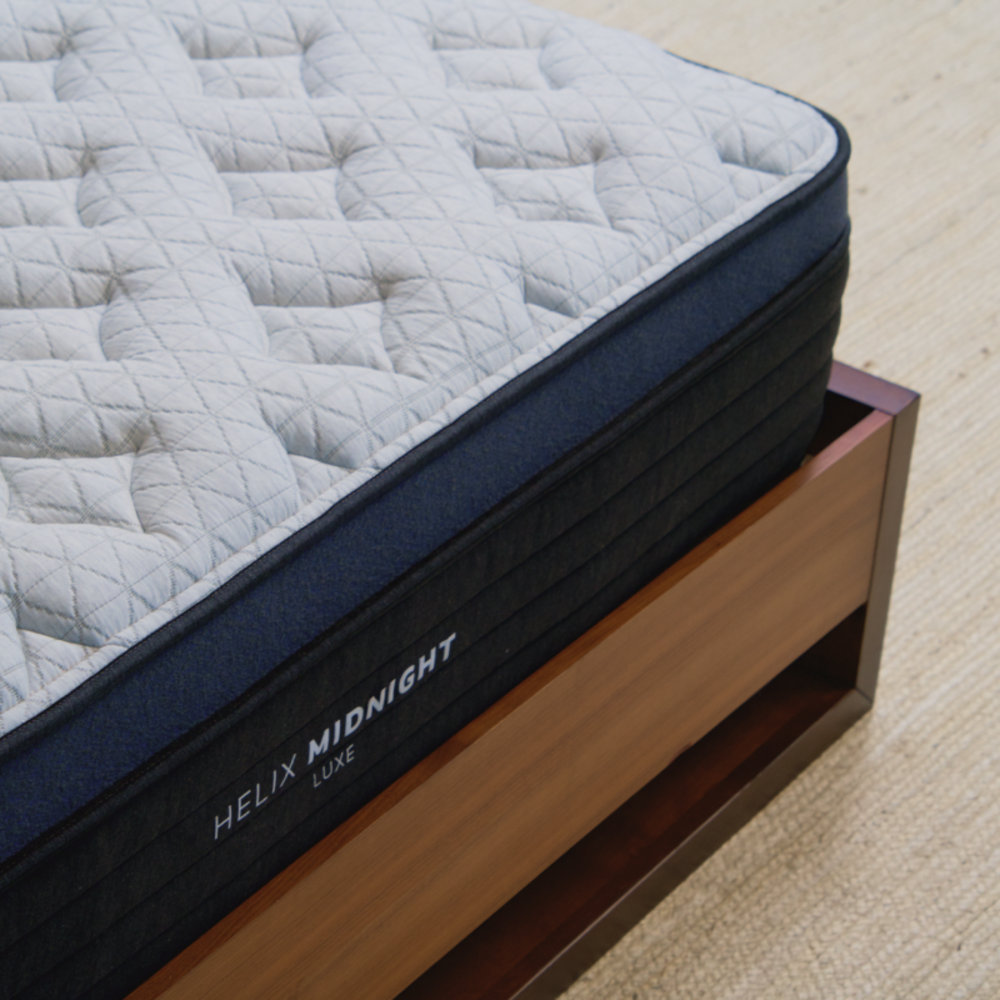
| Product | Best For | Key Feature | Price Range (Queen) | |
|---|---|---|---|---|
| Helix Midnight Luxe | Best overall for side sleepers | Zoned lumbar support, pillow top | $2,000–$2,750 | Check Price on Amazon |
 Nolah Evolution | Best pressure relief | AirFoam, zoned support coils | $1,500–$2,300 | Check Price on Amazon |
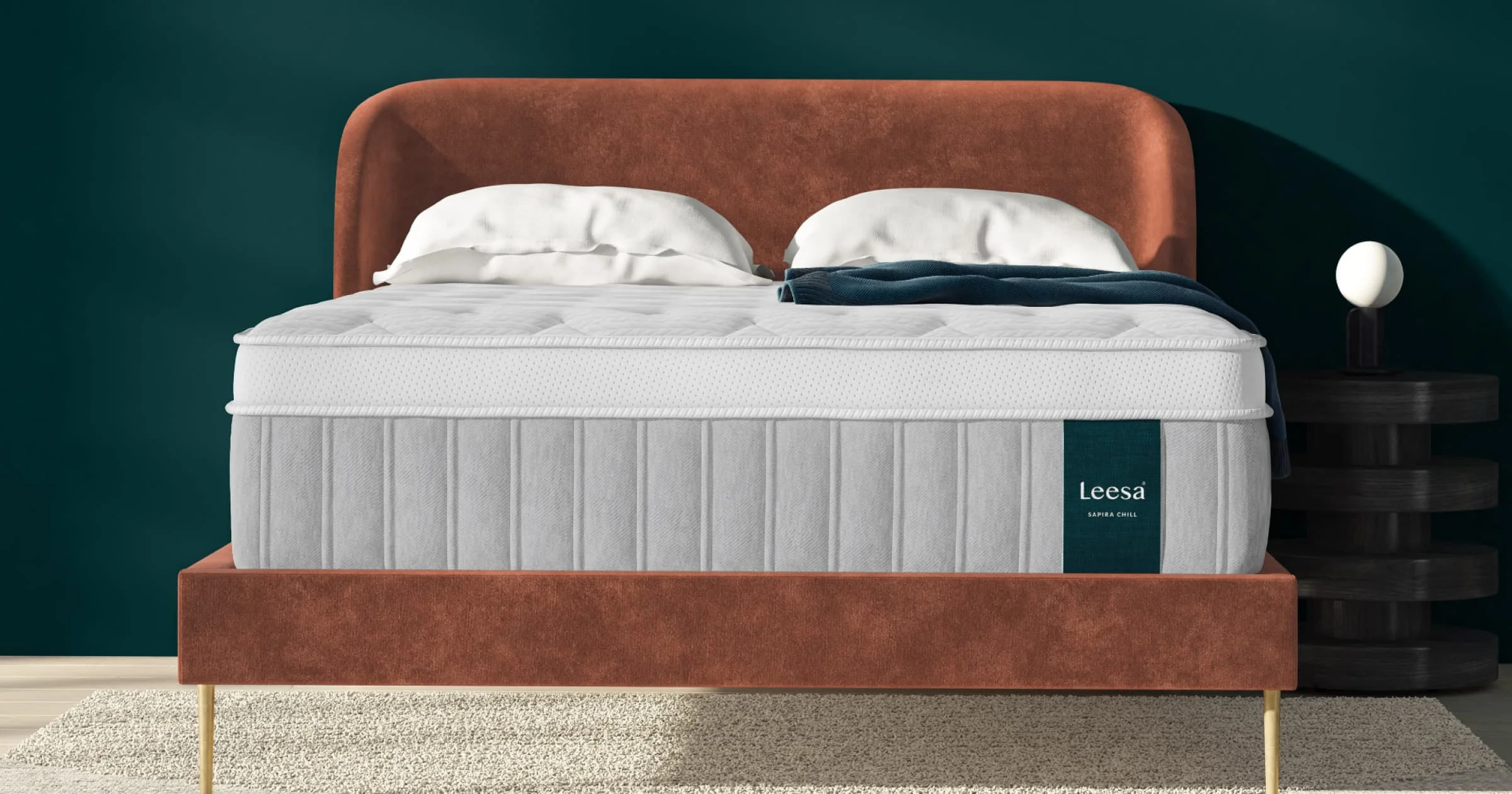 Leesa Sapira Chill Hybrid | Best cooling hybrid | Cooling cover, responsive foam + coils | $1,700–$2,400 | Check Price on Amazon |
 WinkBed | Best for back pain + side sleeping | 365-night trial, lumbar support layer | $1,800–$2,600 | Check Price on Amazon |
Prices are ranges at time of writing and change frequently — check Amazon for the current price. Holiday sales, including Black Friday, often bring these premium mattresses down by 20–30%.
We compared published specifications, aggregated verified buyer feedback and independent expert coverage, and weighted five criteria: pressure relief at the shoulders and hips (35%), spinal support and zoning (25%), temperature regulation (15%), sleep trial and warranty (10%), and value (15%). Our research is comparison-based — we did not sleep on these mattresses ourselves — so we leaned on verified buyer reports, pressure-mapping data cited by expert reviewers, and manufacturer specifications rather than hands-on claims. If budget is your main constraint, our best mattress in a box under $1000 guide covers strong side-sleeper-friendly options at lower prices.
Why does side sleeping need a special mattress at all? When you lie on your side, your weight concentrates on two relatively small contact points: the shoulder and the hip. On a mattress that is too firm, those points bear too much pressure, blood flow drops, and you wake up with numb arms or aching hips. On a mattress that is too soft, the waist sinks, the spine bends, and you wake up with lower-back pain. The ideal side-sleeper mattress threads the needle: soft enough at the shoulders and hips, firm enough at the waist. That is why the picks below all use either zoned support, thick pressure-relieving comfort layers, or both.
The Helix Midnight Luxe is designed specifically for side sleepers, and it shows in the construction. A plush pillow top sits over memory foam and a zoned support layer, with individually wrapped coils underneath that are firmer at the lumbar region and softer at the shoulders. That zoning is the key feature: it lets your shoulder sink in while holding your waist up, keeping your spine in a straight line. Verified buyers consistently report waking up with less shoulder and hip soreness, and expert reviewers rank the Midnight Luxe among the best mattresses for side sleepers year after year.
The Luxe upgrade over the standard Midnight adds a thicker pillow top, a breathable Tencel cover and upgraded cooling foam, which makes it a better fit for sleepers who run warm. The medium feel — roughly 5.5 to 6 out of 10 — hits the sweet spot for most side sleepers between about 130 and 230 pounds. The queen typically sells in the $2,000–$2,750 range, but Helix runs frequent sales, and Black Friday pricing often drops it substantially. It comes with a 100-night trial and a 15-year warranty. The main trade-off is price: it is a premium mattress. But for a dedicated side sleeper with chronic shoulder or hip discomfort, the zoned support is exactly the feature worth paying for. If you want a cheaper starting point, compare it with the budget-friendly picks in our mattress in a box under $1000 guide.
If your main problem is pressure points — numb arms, sore hips, that feeling of sleeping on a board — the Nolah Evolution is built for you. Its proprietary AirFoam is designed to relieve pressure without the deep sink or heat retention of traditional memory foam: it distributes weight more evenly and stays cooler, with verified buyers reporting noticeably less morning stiffness. Under the foam, zoned support coils are firmer in the middle and softer at the shoulders, echoing the same spinal-alignment logic as the Helix but with a more contouring top feel.
The Evolution comes in three firmness options — plush, luxury firm and firm — so side sleepers can choose the plush or luxury firm versions depending on their weight. Lighter side sleepers (under 130 pounds) will usually prefer plush; average-weight side sleepers tend to land on luxury firm. The queen typically sells in the $1,500–$2,300 range, with a 120-night trial and a lifetime warranty. One thing to note: the AirFoam comfort layers are thick and contouring, so combination sleepers who switch to their stomach at night may find it a little too enveloping. But for a dedicated side sleeper chasing pressure relief above all else, the Nolah Evolution is the strongest performer on this list.
Side sleepers who run hot face a dilemma: the soft, contouring mattresses that relieve pressure are often the warmest. The Leesa Sapira Chill Hybrid is designed to solve exactly that. A cooling cover and ventilated foam layers sit over responsive memory foam and pocketed coils, and the coil base moves air through the mattress all night. Verified buyers who previously woke up sweating on all-foam beds frequently report a clear improvement, and expert reviewers rate its temperature regulation among the best in the hybrid category.
Comfort-wise, the Sapira Chill is a medium feel — about 6 out of 10 — with enough give at the shoulders for side sleeping and enough support at the waist for back sleeping, making it a good choice for combination sleepers too. The responsive foam means it is easier to change positions than on a slow, sinking memory foam bed. The queen typically sells in the $1,700–$2,400 range, with a 100-night trial and a 10-year warranty. The trade-offs are modest: edge support is good but not exceptional, and the cooling features add cost compared with the standard Sapira. But if you sleep hot and on your side, this is the pick that best balances both needs.
Some side sleepers also deal with lower-back pain, and the WinkBed is the pick that addresses both problems at once. Its signature feature is a dedicated lumbar support layer — a band of extra-firm support across the middle third of the mattress — combined with a gel-infused pillow top that cushions the shoulders and hips. That combination is why expert reviewers and verified buyers frequently recommend it to side sleepers with back issues: the shoulders sink, the waist stays supported, and the spine stays neutral.
The WinkBed comes in three firmness levels — softer, luxury firm and firmer — and most side sleepers will want the softer or luxury firm options. It also offers one of the most generous trials in the industry at 365 nights, plus a lifetime warranty, so you have a full year to confirm it helps your back. The queen typically sells in the $1,800–$2,600 range, with frequent holiday discounts. Two trade-offs to weigh: at around 13.5 inches it is a tall, heavy mattress that needs a sturdy frame, and the luxury firm version may feel slightly too firm for very light side sleepers. But for side sleepers whose mornings start with back pain, the lumbar support layer makes the WinkBed hard to beat.
Most side sleepers do best on a medium-soft to medium mattress, around 5–7 on a 10-point firmness scale. That range lets the shoulders and hips sink enough to keep the spine straight. Heavier side sleepers usually need the firmer end of that range.
When you sleep on your side, your body weight concentrates on two small areas — the shoulder and the hip. A mattress that is too firm creates pressure points there, cutting off circulation and causing numbness or aching. A mattress with good pressure relief lets those areas sink in while supporting the waist.
Both can work. Memory foam excels at contouring and pressure relief, while hybrids add airflow, bounce and edge support. Side sleepers who run hot often prefer hybrids; side sleepers with sharp pressure points often prefer thick memory foam comfort layers.
Give it at least 30 nights. Your body needs time to adjust to a new support profile, and pressure-point pain from an old mattress can take weeks to fade. Use the full sleep trial — most brands offer 100–365 nights — before deciding.
For most side sleepers, the Helix Midnight Luxe is the best all-round choice: zoned lumbar support, a plush pillow top and a medium feel that fits the widest range of body types. Choose the Nolah Evolution if pressure relief is your number one priority, the Leesa Sapira Chill Hybrid if you sleep hot, and the WinkBed if lower-back pain is part of the picture. Whatever you pick, buy during a holiday sale, use the full trial, and judge the mattress on how your shoulders and hips feel after 30 nights — not on the first night. And if your budget is under $1000, start with our best mattress in a box under $1000 guide, which includes several side-sleeper-friendly options.
Sleep · Mattresses
Great sleep doesn't need a $2,000 budget. We compared comfort, support and trial periods to find the best boxed mattresses under $1,000.
Read ReviewSleep · Mattresses
Wake up pain-free. We compared firmness, lumbar support and pressure relief across top hybrids to find the best mattresses for back pain.
Read ReviewSleep · Bed Frames
Raise your head, lift your feet, sleep better. We compared motors, weight capacity, massage and zero-gravity features to find the best adjustable bases.
Read Review