Kitchen · Ovens
Best Toaster Oven (2026) — Top Picks Compared
The best toaster oven for 2026: Breville Smart Oven Air Fryer Pro, Cuisinart TOB-260N1 and Ninja Foodi SP101 compared on capacity, functions and value.
Read Review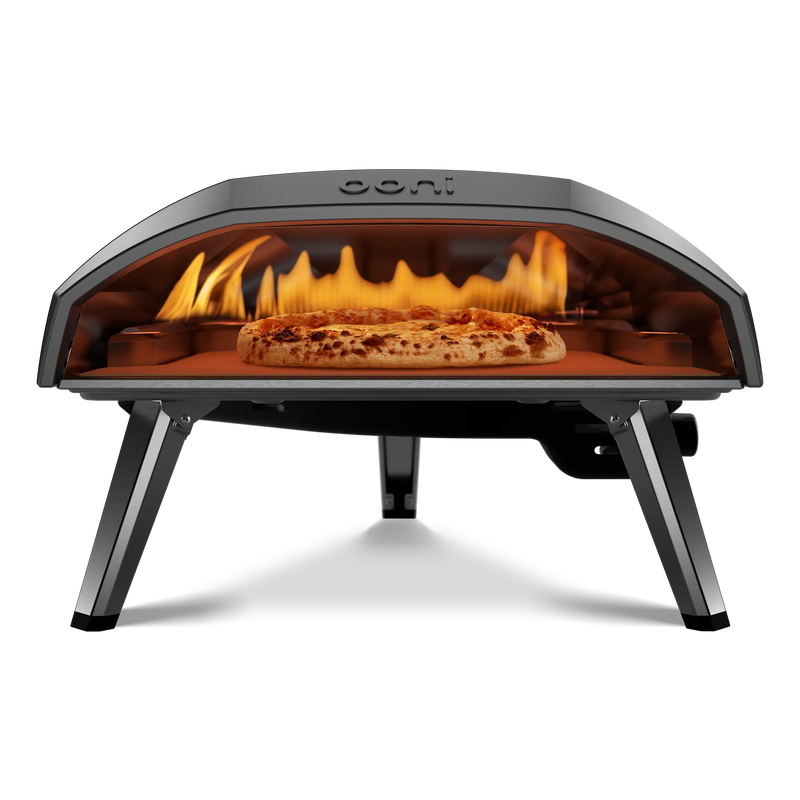
| Product | Best For | Key Feature | Price Range | |
|---|---|---|---|---|
| Ooni Koda 16 | Best overall — family-size pizzas | 950°F max, 16-inch stone, L-shaped gas burner | $400–$600 | Check Price on Amazon |
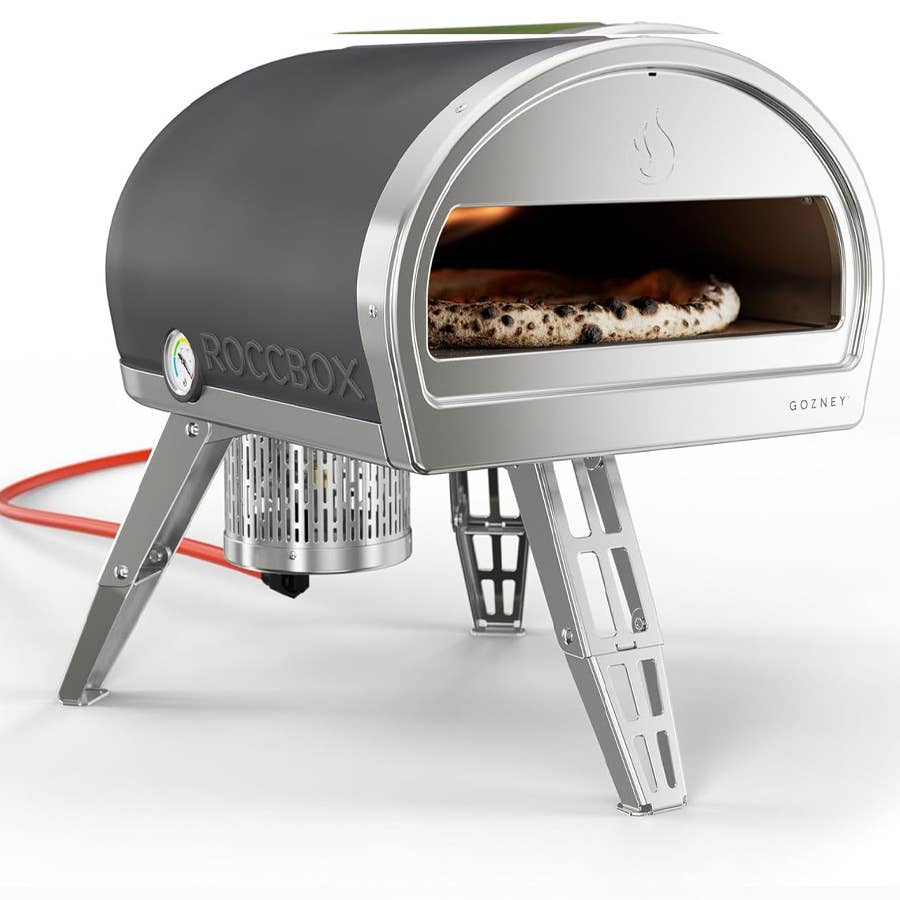 Gozney Roccbox | Best insulated 12-inch oven | 950°F max, gas with optional wood burner, safe-touch shell | $350–$500 | Check Price on Amazon |
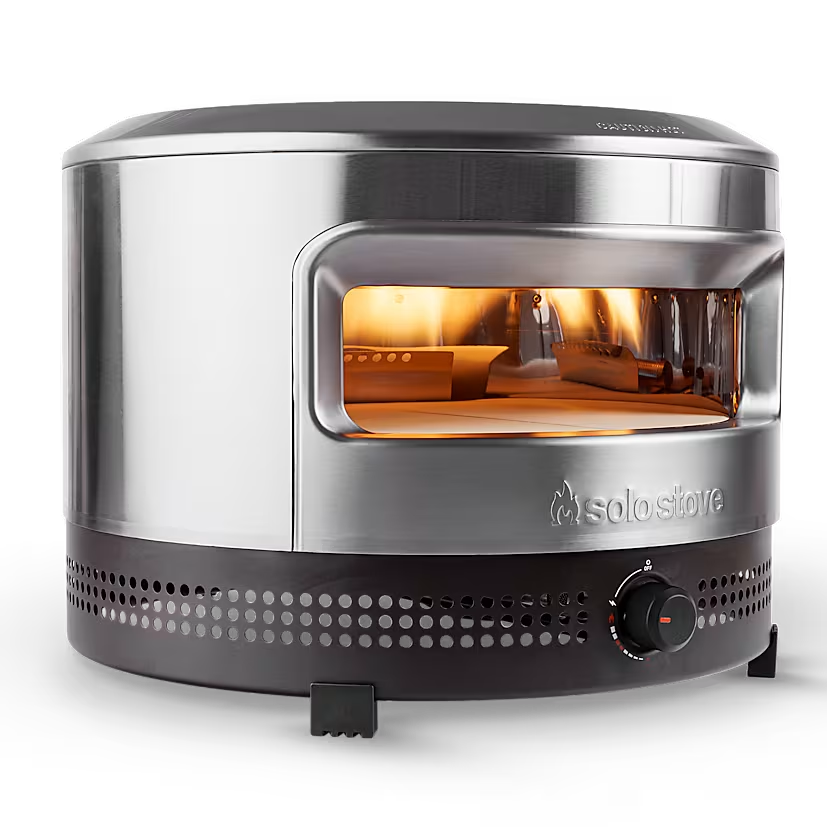 Solo Stove Pi Prime | Simplest gas oven for beginners | Over 950°F per Solo Stove, one-dial propane, 90-second pizzas | $250–$400 | Check Price on Amazon |
 Ooni Karu 12G | Best multi-fuel oven | 950°F max, wood, charcoal or gas, glass door with thermometer | $300–$450 | Check Price on Amazon |
A typical home kitchen oven tops out around 500°F to 550°F, and at that temperature a pizza needs 8 to 12 minutes to bake. That slow bake dries out the crust before the toppings are done, which is why homemade pizza so often comes out pale and leathery instead of blistered and crisp. A dedicated pizza oven changes the physics entirely. The ovens in this guide reach roughly 750°F to 950°F, and at that heat a thin Neapolitan-style pizza bakes in about 60 to 90 seconds. The base crisps instantly on the hot stone while the toppings stay juicy, and the crust puffs and chars in the spots that make pizzeria pizza taste like pizzeria pizza.
That speed matters for more than taste. When a pizza bakes in a minute, you can cook for a group one pie after another without anyone waiting half an hour between servings. Our research across manufacturer specifications and published expert reviews consistently found the same pattern: buyers who use their oven regularly say the short bake time is what turns pizza night from an occasional project into a weekly habit. A kitchen oven can still make a good pizza, especially with a baking steel and a long preheat, but it cannot reproduce the heat of a dedicated oven, and the difference is obvious in the first bite.
There is a second, less obvious advantage: versatility. Every oven in this guide is marketed for more than pizza. Manufacturer pages describe cooking steaks, roasted vegetables, flatbreads and bread in the same chamber, because a 900°F stone and a rolling flame are useful for anything that benefits from fierce, fast heat. That does not make a pizza oven a replacement for your main oven — it is an outdoor specialist, and it only makes sense if you have somewhere outside to use it. But for households that already cook outdoors, it earns its place quickly. If you have no outdoor space at all, skip this category and look at indoor options instead: our guide to the best toaster oven covers countertop appliances that can bake a small pizza indoors, and our air fryer vs convection oven comparison explains which indoor appliance crisps food best.
Price is the other honest consideration. The ovens here sit roughly in the $250 to $600 range, plus a propane tank or wood, a peel, and ideally an infrared thermometer. That is real money for a single-purpose appliance, so it pays to be realistic about how often you will use it. Buyers report that the ovens earn their keep when pizza night becomes a routine — once a week or more — and gather dust when bought on a whim. If you make pizza twice a year, a baking steel in your kitchen oven is the better buy. If you make it twice a month, a dedicated oven is one of the most satisfying kitchen upgrades available.
A pizza oven works by combining two kinds of heat at once. The cordierite stone floor stores intense heat and cooks the base of the pizza from below, while flames rolling across the ceiling of the chamber cook the top, melting cheese and blistering the crust edge. That combination is why the stone must be fully preheated before the first pizza goes in: a stone that is only hot on the surface gives a soggy base, while a saturated stone delivers a crisp one. Manufacturers generally state a preheat of about 15 to 20 minutes, and buyers report that waiting the full preheat — rather than rushing the first launch — is the single biggest factor in getting a good result.
Gas ovens generate their heat with a propane burner, usually mounted at the back or in an L-shape along the back and one side. The Ooni Koda 16, for example, uses an L-shaped burner that Ooni says wraps flame along the back and side for more even heat than a single rear flame. Turn the dial, wait for the stone to reach temperature, and bake. Gas ovens recover heat quickly between pizzas because the flame never stops, which makes them the best choice for feeding a crowd. Their trade-off is flavour: gas burns clean, so you get heat without the smoky note that wood gives.
Wood-fired ovens burn hardwood kindling or lump charcoal in a rear firebox, and the fire itself becomes part of the cooking. The flame adds a smoky aroma and a more dramatic char, and many enthusiasts say wood-fired pizza simply tastes better. The cost is effort: lighting takes longer, the fire needs feeding and tending between pizzas, temperatures swing more, and there is ash to clean up afterwards. Charcoal sits between the two — steadier and longer-burning than wood, with some of the same smoky character. The Ooni Karu 12G is built around this choice: it burns wood or charcoal out of the box, and an optional gas burner attachment (sold separately) converts it to propane when convenience matters more than flavour.
Multi-fuel ovens are the practical answer for buyers who cannot decide. Use gas on a weeknight when dinner needs to be on the table in half an hour, and switch to wood at the weekend when the ritual is part of the fun. The Gozney Roccbox takes the same approach from the other direction: it ships gas-ready and accepts an optional wood burner. One caution applies to every fuel type: these are outdoor-only appliances. Gas and wood-fired ovens produce carbon monoxide and extreme heat, so they must be used outside on a level, stable, non-combustible surface, away from walls, awnings and anything flammable. Never use one in a garage, under a low canopy, or indoors.
Ooni Koda 16 — our top pick. The Koda 16 is the largest gas oven in this guide, and its size is the reason it leads. Ooni states it can reach up to 500°C (950°F) in just 20 minutes and cook a Neapolitan-style pizza in just 60 seconds, on a cordierite stone big enough for a 16-inch pizza. That extra space matters more than it sounds: a 12-inch oven forces you to bake in relays for a family, while the Koda 16 fits a full family-size pie and still leaves room to turn a 12-inch pizza without catching your knuckles on the oven mouth. Its L-shaped burner wraps flame along the back and one side, which Ooni designed for more even heat than a single rear flame. At about 40.1 lb (18.2 kg) with folding legs, it is portable enough to move around a patio but heavy enough that most buyers will give it a semi-permanent spot. One honest note: Ooni now sells the Koda 16 as a first-generation model alongside its newer Koda 2 range, so it is often available at a reduced price but stock can vary by region — check availability before settling your heart on it, and confirm whether the newer models are worth the premium for your budget.
Gozney Roccbox — best insulated 12-inch oven. The Roccbox is the tank of this group. Gozney rates it to roughly 950°F (500°C), and it bakes a 12-inch pizza in about 60 seconds, per Gozney. What sets it apart is insulation: a thick silicone-jacketed shell that holds heat between bakes and stays safe to touch on the outside, which matters when children or guests are near a 900°F appliance. It ships gas-ready, with a launching peel included, and takes an optional wood burner for buyers who want live-fire flavour later. The trade-offs are weight and size — about 44 lb — and the 12-inch ceiling, which means bigger families bake in relays. Buyers report that the Roccbox feels like a buy-once appliance: heavy, solid, and built to last for years of weekly use.
Solo Stove Pi Prime — simplest gas oven for beginners. The Pi Prime is the easiest oven in this guide to operate, and the most affordable. Solo Stove states that it preheats to 450–500°F in just 15 minutes, turns out pizza in as little as 90 seconds, and cranks up to over 950°F. It runs on propane only, controlled by a single dial, with no fire to light, tend or clean up — a genuine advantage for first-time buyers. The 13-inch panoramic opening makes it easy to watch the pizza and turn it mid-bake, and at just over 30 lb it is the lightest oven here. Solo Stove backs it with a lifetime warranty. Its limits are the flip side of its simplicity: there is no wood option, so you cannot get a smoky wood-fired flavour, and the 12-inch capacity suits couples and small families better than large gatherings. For a buyer who wants the shortest path from box to first pizza, though, it is hard to beat.
Ooni Karu 12G — best multi-fuel oven. The Karu 12G is the pick for buyers who want the full wood-fired experience without giving up gas convenience. Ooni rates it to a maximum of 950°F (500°C), reaching 850°F in as little as 15 minutes, and it cooks a 12-inch pizza in about 60 seconds. It burns wood or charcoal out of the box, and an optional gas burner attachment (sold separately) adds propane. Two features set it apart from the original Karu 12: a borosilicate glass door with ClearView technology, so you can watch the pizza without opening the door and losing heat, and a built-in thermometer in the door. That glass door is genuinely useful for beginners, because the most common beginner mistake is opening the oven too often to check. The Karu 12G is also the most hands-on oven here on wood — expect a learning curve while you learn to manage the fire — but buyers report that the flavour payoff is real. If you bake bread as well as pizza, our best bread maker machine guide covers the indoor side of home baking.
Size first. Pizza size decides almost everything else. A 12-inch oven bakes one personal-to-medium pizza at a time, which is fine for one or two people but slow for a family of four. A 16-inch oven such as the Koda 16 fits a full family pie and gives you room to manoeuvre a peel. Measure your outdoor space, too: these ovens need a stable table or stand, clearance on all sides, and a safe place to store a propane tank or a wood supply.
Fuel second. Choose gas if you value speed, consistency and easy weeknight use. Choose wood or charcoal if flavour and ritual matter most and you enjoy tending a fire. Choose multi-fuel if you want both — it costs more up front, especially once you add the gas burner attachment, but it is the only option that never forces a compromise. Check fuel costs in your area as well: a standard 20 lb propane tank lasts many pizza nights, while kiln-dried hardwood is an ongoing purchase.
Heat and recovery. Every oven here is rated to around 950°F, which is the right ballpark for Neapolitan pizza, but peak temperature is only half the story. Heat recovery — how fast the stone reheats between pizzas — decides whether the fourth pizza is as good as the first. Gas ovens recover fastest because the flame never stops; wood ovens need the fire fed between bakes. If you regularly cook for six or more people, favour gas or a large stone.
Weight and portability. Weights in this guide range from just over 30 lb for the Pi Prime to about 44 lb for the Roccbox. All four are portable in the sense that one person can carry them, but none is a casual take-anywhere appliance — plan a storage spot near where you cook, and buy a cover if the oven will live outside.
Accessories and running costs. Budget for a peel (the Roccbox includes one; the others generally do not), an infrared thermometer so you can check the stone temperature before launching, and heat-resistant gloves. A pizza oven is also an outdoor appliance that lives in the weather, so a cover is worth the money. Finally, read the safety instructions that come with your oven before the first bake: preheat fully, keep the oven on a non-combustible surface, never leave it unattended while lit, and let it cool completely before covering or storing it.
For most home buyers, our research points to the Ooni Koda 16. It reaches up to 950°F (500°C) in about 20 minutes, fits a full 16-inch pizza, and runs on gas, so there is no fire to manage. Buyers who want the most portable, best-insulated 12-inch oven should look at the Gozney Roccbox instead, while the Solo Stove Pi Prime is the simplest and most affordable way into gas pizza ovens.
Gas is better for most home cooks because it heats up fast, holds a steady temperature, and needs no fire management — you turn a dial and bake. Wood or charcoal gives a smokier flavour and a more hands-on ritual, but it takes longer to light, needs tending between pizzas, and produces ash to clean up. A multi-fuel oven such as the Ooni Karu 12G is the best compromise: use gas on weeknights and wood or charcoal at the weekend.
No. All four ovens in this guide are designed for outdoor use only. Gas and wood-fired pizza ovens produce carbon monoxide and intense heat, and they must be used outside on a level, stable, non-combustible surface with plenty of ventilation. If you want pizza indoors, a countertop appliance such as a toaster oven or an air fryer is the safer choice.
For Neapolitan-style pizza, the stone should reach roughly 750°F to 950°F (about 400°C to 500°C). At that heat a thin pizza bakes in about 60 to 90 seconds, with a puffed, blistered crust and a crisp base. A typical home kitchen oven tops out around 500°F to 550°F, which is why it bakes pizza in 8 to 12 minutes and cannot match the leopard-spotted crust of a dedicated pizza oven.
The best pizza oven for home in 2026 is the Ooni Koda 16, because it combines the two things that matter most for family pizza night: a full 16-inch stone and effortless gas heat up to 950°F. It bakes a Neapolitan-style pizza in about 60 seconds, its L-shaped burner spreads heat more evenly than a single rear flame, and its size means one bake feeds the table. Buyers who cook for one or two people, or who want the most solidly built and best-insulated oven, should choose the Gozney Roccbox instead — it matches the Koda 16 on heat and beats it on heat retention and safe-touch design, at the cost of a 12-inch ceiling. First-time buyers on a tighter budget should look at the Solo Stove Pi Prime, the simplest and most affordable gas oven here, with a single dial and a 90-second bake. And buyers who want real wood-fired flavour with a gas fallback should pick the Ooni Karu 12G, the only oven in this guide that genuinely does both. Whichever you choose, remember the two rules our research kept returning to: preheat the stone fully before the first launch, and use the oven outdoors only. Do those two things, and your third or fourth pizza will already taste like it came from a pizzeria.
Kitchen · Ovens
The best toaster oven for 2026: Breville Smart Oven Air Fryer Pro, Cuisinart TOB-260N1 and Ninja Foodi SP101 compared on capacity, functions and value.
Read ReviewKitchen · Air Fryers
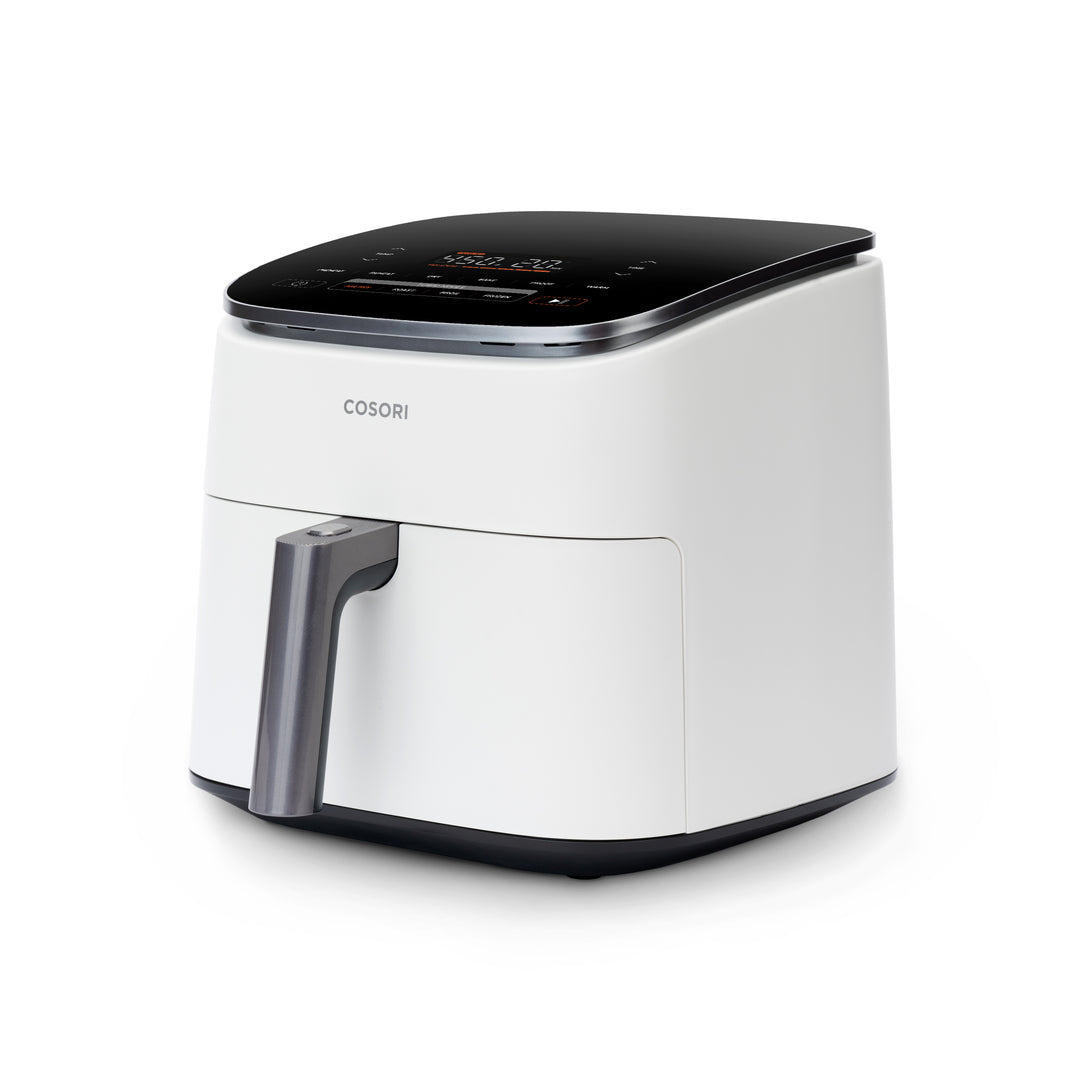
Air fryer vs convection oven: COSORI TurboBlaze, Ninja Foodi DZ201, Breville Smart Oven Air Fryer Pro and Instant Omni Plus compared on crispiness and capacity.
Read ReviewKitchen · Baking
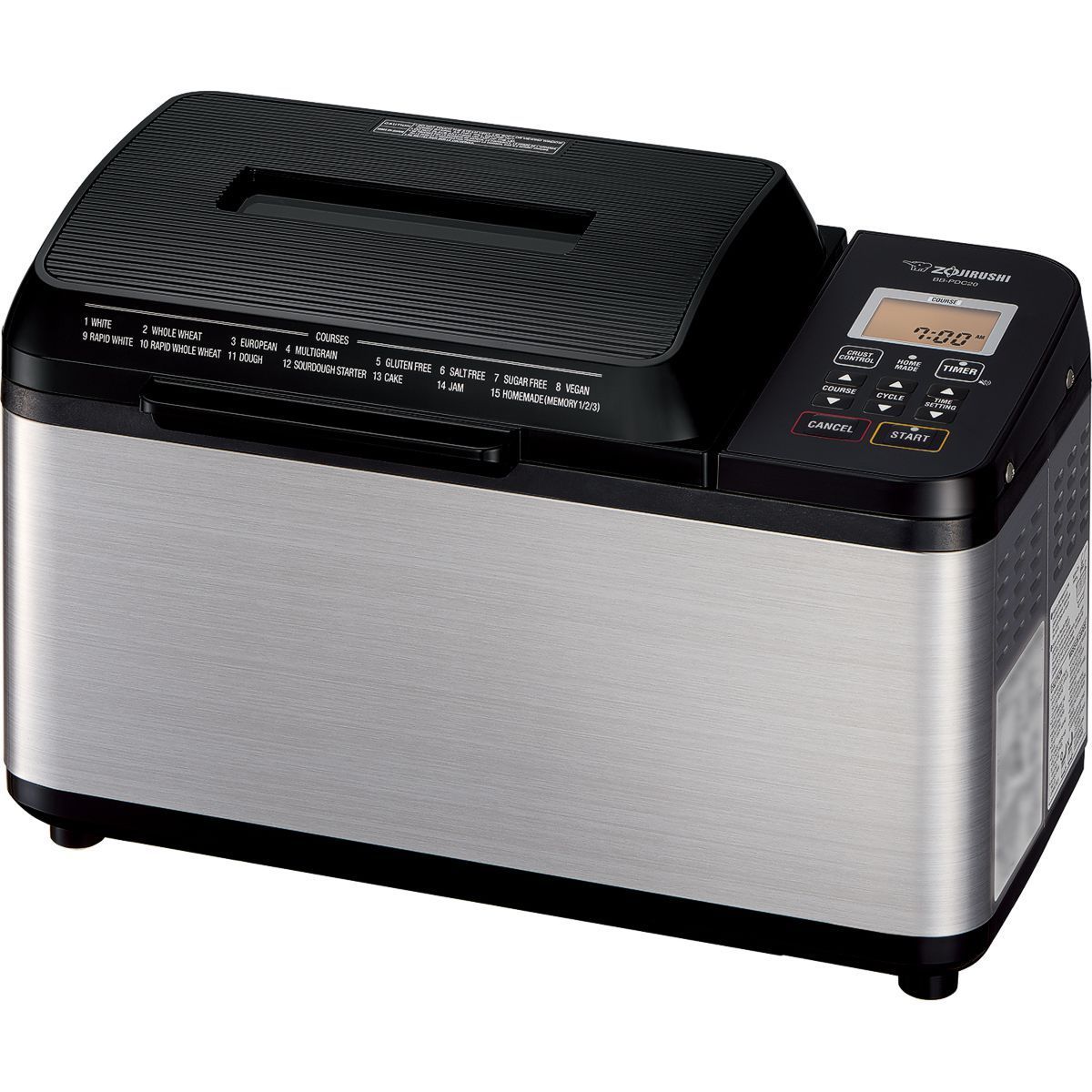
Best bread maker machine 2026: Zojirushi Virtuoso Plus, Breville Custom Loaf and Cuisinart CBK-110 compared on loaf quality, settings and value.
Read Review