Home Comfort · Air Quality
Best Dehumidifier for Basement (2026) — Top Picks
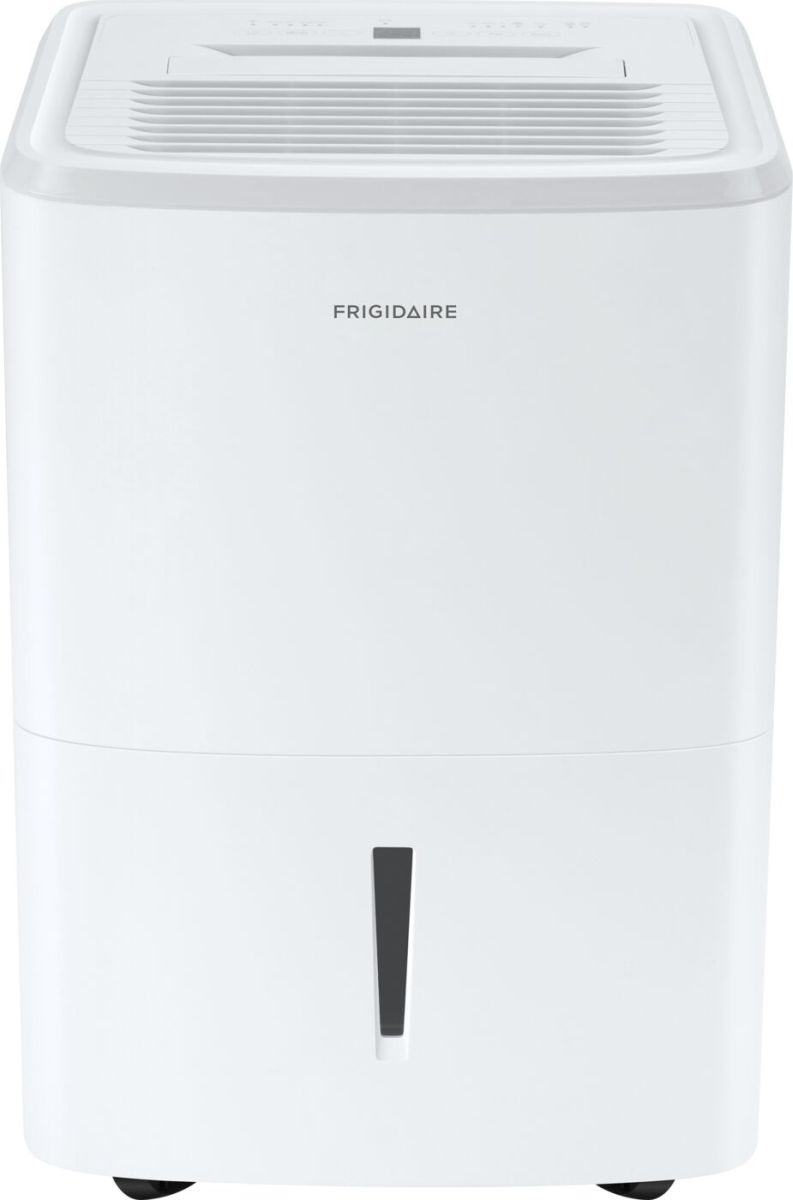
Damp basement? Best dehumidifiers for basements 2026 — 50-pint capacity, pumps, drain hoses and ENERGY STAR efficiency from Frigidaire, hOmeLabs, Midea and GE.
Read Review
| Product | Best For | Key Feature | Price Range | |
|---|---|---|---|---|
| Ecobee Smart Thermostat Premium | Best smart thermostat overall | Radar occupancy, SmartSensor in box, air quality monitor, Alexa built in | $200–$260 | Check Price on Amazon |
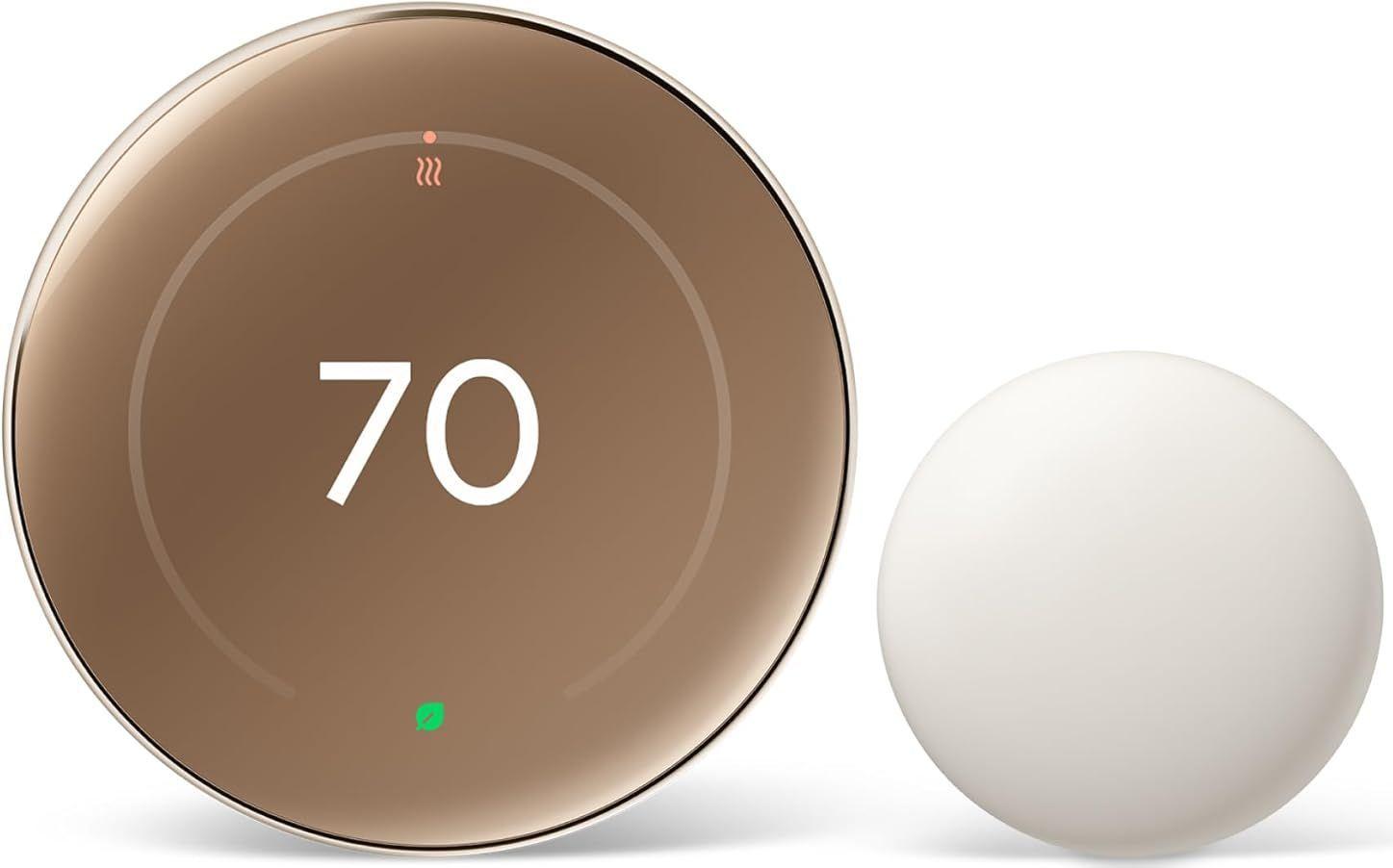 Google Nest Learning Thermostat (4th gen) | Best for Google Home households | Smart Schedule learning, Matter, Soli radar, sensor in box, no C-wire needed | $220–$280 | Check Price on Amazon |
 Honeywell Home T9 Smart Thermostat | Best value for hot and cold rooms | Room sensor reads temp + humidity, 200 ft range, room-priority scheduling | $150–$210 | Check Price on Amazon |
Prices are ranges at time of writing and change frequently — check Amazon for the current price.
We compared manufacturer specification pages, ENERGY STAR certified-product data and published expert coverage, weighting room sensing (30%), HVAC compatibility and C-wire handling (25%), smart-home ecosystem (20%), energy-saving features (15%) and value (10%). This is a research-based comparison of specs and documentation, not a hands-on install test. The decision that matters most in a smart thermostat is not the screen — it is the sensor strategy. A thermostat only measures the hallway it hangs in, so a home with a cold upstairs bedroom and a warm living room needs room sensors, and the three picks here take three different approaches to that problem.
The ecobee Premium wins the sensor comparison outright: its SmartSensor reports temperature and occupancy, one account supports up to 32 sensors, and the thermostat can aim for the bedroom at night instead of the hallway. The Nest Temperature Sensor (2nd gen) reports temperature only, supports up to six sensors, and leans on the thermostat's learning schedule instead. The Honeywell T9 sits in the middle on count — up to 20 sensors — but its sensor is the only one that also reports humidity, and it reaches up to 200 feet over a dedicated 900 MHz radio rather than the ecobee's 60 feet. Before buying any of the three, check your wiring: all three makers publish compatibility checkers, and high-voltage systems, some zoned systems and 2-wire heat-only setups are not compatible. A smart thermostat that cannot talk to your furnace is an expensive wall decoration.
The ecobee Smart Thermostat Premium is the most complete system in the box. It lists at $259.99 (seen on sale around $210) and includes the thermostat, one SmartSensor and a Power Extender Kit for homes without a C-wire. The 4-inch colour touchscreen (540 x 540) is the largest here in spirit, if not in pixels, and the built-in radar occupancy sensor detects presence through a wider range than old PIR sensors. The indoor air quality monitor tracks volatile organic compounds, estimated CO2 and humidity, and the unit has Alexa built in plus Siri support. It handles conventional systems up to 2 heat/2 cool and heat pumps with 2 stages plus 2 stages of aux heat, and an accessory terminal can run a humidifier, dehumidifier or ventilator. It is ENERGY STAR certified with a 3-year warranty, and its free eco+ software adds schedule suggestions and time-of-use rate features. The honest weakness: the air quality monitor does not automatically activate the HVAC fan, so it reports the air rather than fixing it.
The Google Nest Learning Thermostat (4th gen) is the design and learning pick. It lists at $279.99 (on sale at $219.99 in late November 2026) and includes one Nest Temperature Sensor (2nd gen), a trim plate and a steel mounting plate. The 2.7-inch borderless circular LCD at 600 x 600 pixels is 60% larger than the previous generation, with a Soli radar sensor for Motion Sense and a rotating bezel ring. Smart Schedule learns your temperature habits over a few days and can apply changes automatically or as suggestions, and new features — natural heating and cooling, Adaptive Eco and smart ventilation — adjust for outdoor conditions. It is Matter-certified, works with most 24V systems including heat pumps with up to 3 stages, and its patented Power Sharing design means most homes do not need a C-wire. The limits are real: setup requires the Google Home app, there is no Alexa or Siri built into the wall unit, and Google's claim of up to 31% savings is measured against a constant year-round 72-degree setting — actual savings will likely be less. Check the Nest Learning Thermostat Price on Amazon
The Honeywell Home T9 is the comfort-per-dollar pick, and the one to buy if your house has a room that is always too hot or too cold. It lists at $209.99 and typically sells through retailers for $150–$190 with a sensor in the box — note that Honeywell's own store now lists the T9 as no longer available for sale, so buy it from a retailer rather than the manufacturer. The included Smart Room Sensor tracks temperature and humidity and detects occupancy, and room-priority scheduling lets you tell the thermostat to aim for the bedroom from 10 p.m. to 7 a.m., the home office during the day, and the living room in the evening. The sensor talks to the thermostat over a dedicated 900 MHz radio with up to about 200 feet of range, and you can add up to 20 sensors. It supports most standard 24V systems including common heat pumps, up to 3 heat/2 cool stages, and is ENERGY STAR certified with a 2-year warranty. The trade-offs are a plainer white design, no built-in voice assistant, and a C-wire that is recommended for dependable power. Check the Honeywell T9 Price on Amazon
A smart thermostat is a wall control that replaces the schedule you would otherwise program by hand with one built from sensors and learning. The three mechanisms that actually save energy are schedules, occupancy sensing and room averaging. A schedule drops the temperature while you are at work or asleep and brings it back before you return; occupancy sensing does the same thing automatically when the house empties; and room sensors stop the system from overheating the living room to satisfy a cold bedroom. The ENERGY STAR certification all three picks carry requires demonstrated savings, which is why it is a more reliable signal than any single percentage a manufacturer quotes.
Room sensors deserve a closer look because they are the feature buyers misunderstand most. A remote sensor cannot fix poor ductwork and cannot create independent heating zones — it can only tell the thermostat what the temperature is somewhere else, and the thermostat can only average or prioritise. In a two-story home that is the difference between a freezing upstairs and a comfortable one, but if one room is cold because its duct is crushed, no sensor will fix it. The other common misunderstanding is the savings claim: Google's up-to-31% figure for the Nest is measured against a house held at 72 degrees all year, which almost nobody does. Real savings come from the schedule and the sensors, and they depend on how wasteful your current habits are. If you already program a setback schedule diligently, a smart thermostat saves you less — but the room sensors and the remote control still earn their keep. Pairing a smart thermostat with proper humidity control also helps: our best humidifier for large rooms guide covers the machines that keep winter air comfortable at a lower temperature.
The ecobee Premium is the only pick here with a built-in air quality monitor, and it is worth understanding what that buys you. It tracks volatile organic compounds, estimated CO2 and relative humidity, and it can hear if your smoke alarm goes off while you are away, alerting you and emergency services. It also has freeze detection to warn about burst pipes. What it does not do is automatically run the fan when air quality drops — you get the reading, and you decide. For most homes that is enough: the monitor's real job is to tell you when to open a window, run the purifier, or check a humidity problem before it becomes mould.
If air quality is your main concern, the thermostat is the wrong place to start — a purifier does the actual cleaning. Our best air purifier for smoke guide compares the machines that handle wildfire smoke and cooking odours, and a basement dehumidifier matters more than any thermostat if damp is your problem. Think of the thermostat as the control layer: it sets the temperature and the schedule, and it tells you what the air is doing, while the purifier, humidifier and dehumidifier do the work.
The ecobee Smart Thermostat Premium is the best smart thermostat for most homes — a SmartSensor and C-wire adapter in the box, radar occupancy sensing, an indoor air quality monitor, and Alexa built in. The Google Nest Learning Thermostat (4th gen) is the best choice for Google Home households, with Matter support and a learning schedule. The Honeywell Home T9 is the best value pick for fixing hot and cold rooms.
It depends on the model. The ecobee Premium includes a Power Extender Kit for homes without a C-wire, and the Honeywell T9 includes a C-wire adapter. The Nest Learning Thermostat (4th gen) uses Power Sharing and is designed to work without a C-wire in most homes. If your system is high-voltage (120/240V) or a 2-wire heat-only system, check compatibility before buying — none of these three is designed for line-voltage systems.
Yes, when they are set up properly — all three picks here are ENERGY STAR certified, which requires demonstrated savings. Google says the Nest Learning Thermostat can save up to 31% on heating and cooling, but that figure is measured against a constant year-round 72-degree setting, so real savings are usually lower. The biggest savings come from schedules, occupancy sensing and room sensors that stop heating empty rooms, not from the thermostat alone.
The ecobee SmartSensor reports temperature and occupancy, so the thermostat can heat or cool only the rooms that are actually in use, and one account supports up to 32 sensors. The Nest Temperature Sensor (2nd gen) reports temperature only, and supports up to six sensors. The Honeywell T9 sensor is the only one of the three that also reports humidity, and it reaches up to 200 feet over a dedicated 900 MHz radio.
Buy the ecobee Smart Thermostat Premium if you want the most complete system: the best room sensor, an air quality monitor, Alexa built in, and a C-wire adapter in the box, for $30 less than the Nest at list price. Buy the Nest Learning Thermostat (4th gen) if you live in Google Home, want the best-looking thermostat on the wall, and would rather let the schedule write itself than program it. Buy the Honeywell Home T9 if your house has a room that is always too hot or too cold — its humidity-reading sensor and 200-foot range fix that problem for the least money. Whichever you choose, run the compatibility checker first, claim your utility rebate, and put the sensor in the room you actually live in — a smart thermostat is only as smart as the room it measures.
Home Comfort · Air Quality
Damp basement? Best dehumidifiers for basements 2026 — 50-pint capacity, pumps, drain hoses and ENERGY STAR efficiency from Frigidaire, hOmeLabs, Midea and GE.
Read ReviewHome Comfort · Air Quality
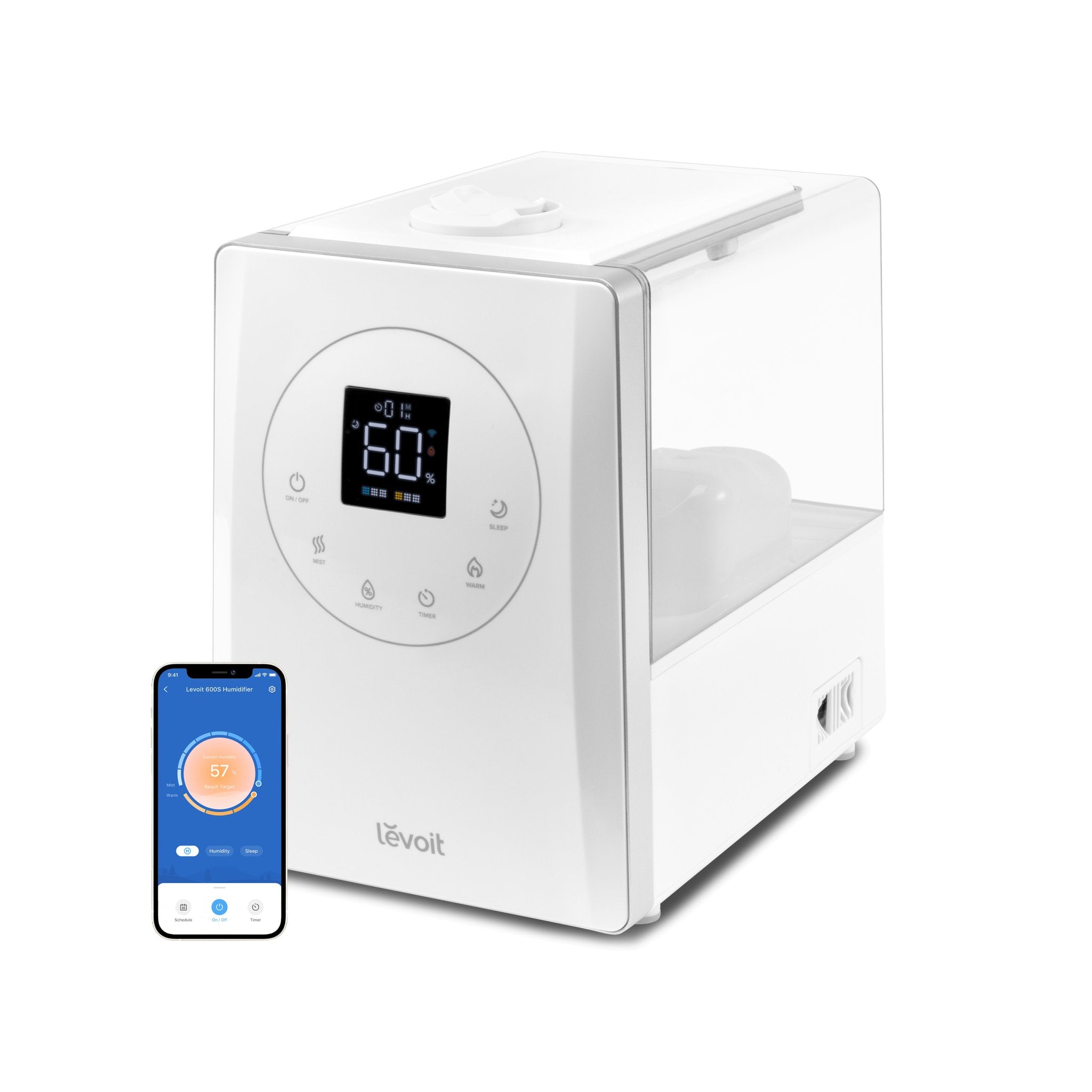
The best humidifier for large rooms in 2026: Levoit LV600S, Dreo HM713S and Honeywell HEV685W compared on coverage, tank size and runtime.
Read ReviewHome Comfort · Air Quality
Wildfire or cigarette smoke indoors? Best air purifiers for smoke 2026 — True HEPA, smoke CADR and room coverage from Coway, Levoit, Blueair and Winix.
Read Review