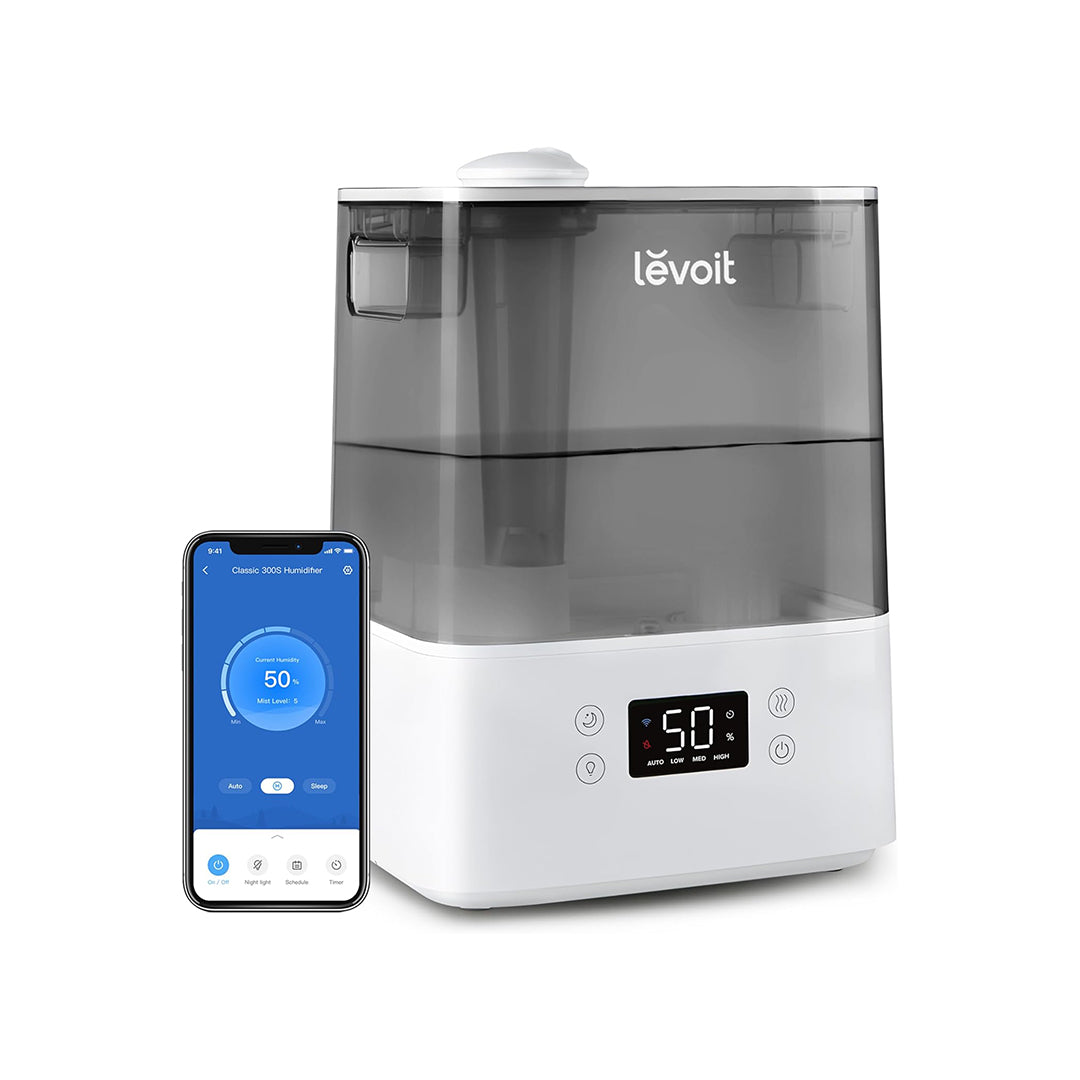
Home Comfort · Air Quality
Best Air Purifier for Allergies (2026) — Picks
The best air purifier for allergies in 2026: we compared True HEPA filtration, CADR and room coverage to find the purifiers that actually cut pollen and dander.
Read Review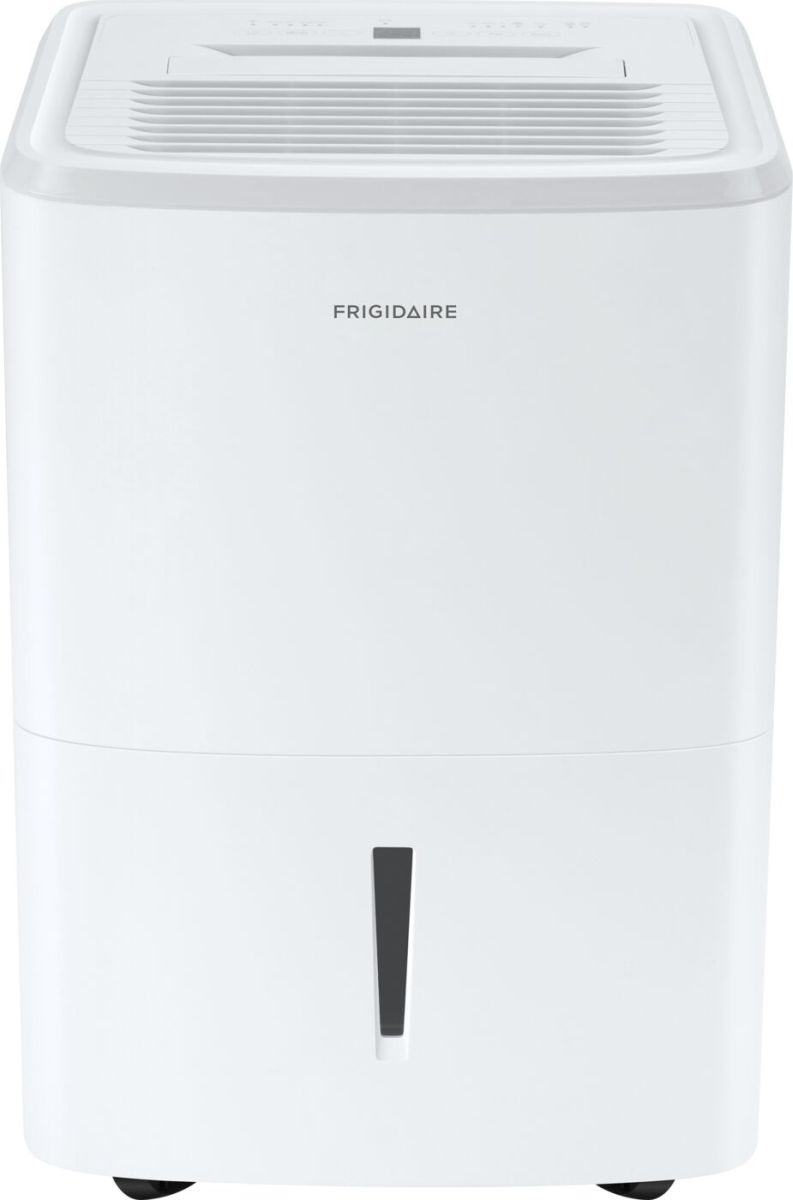
| Product | Best For | Key Feature | Price Range | |
|---|---|---|---|---|
| Frigidaire 50-Pint Dehumidifier | Best overall for basements | 50 pints/day, Wi-Fi, continuous drain | $250–$350 | Check Price on Amazon |
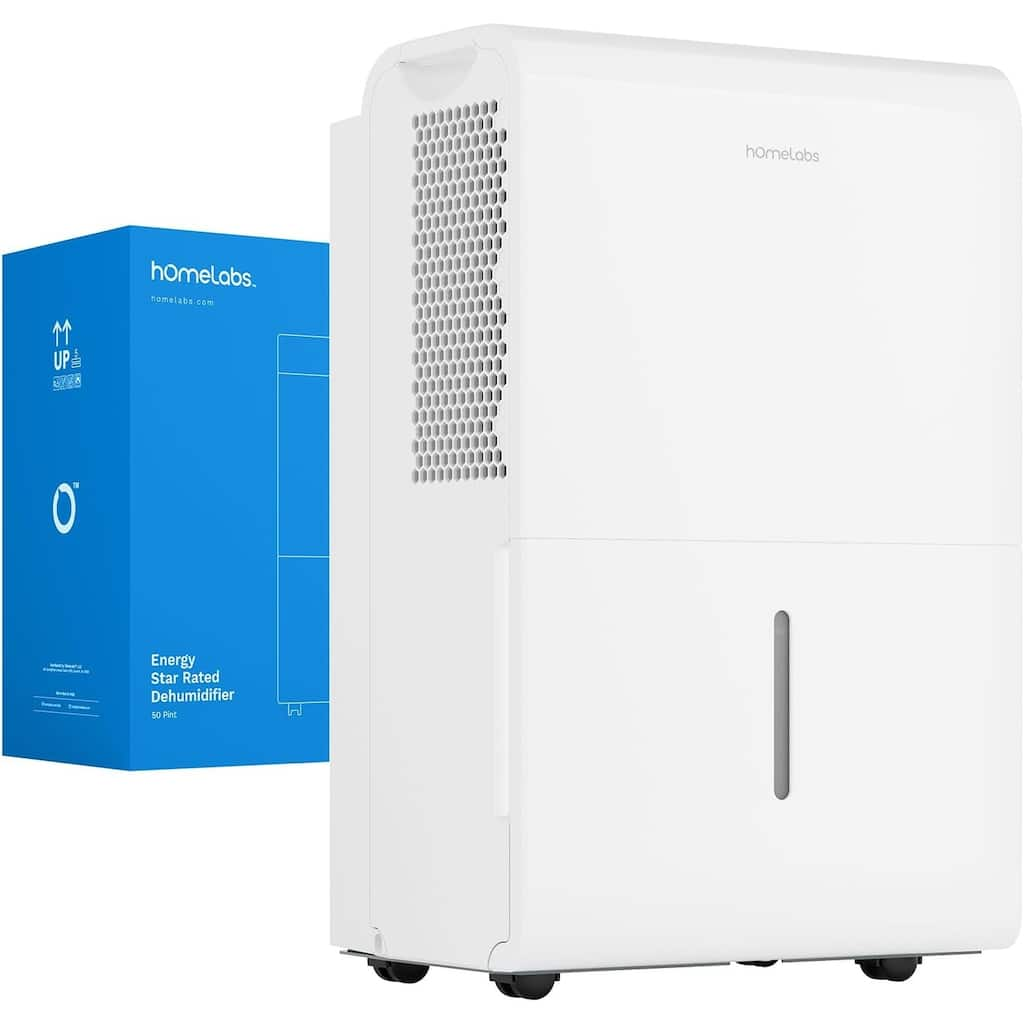 hOmeLabs 50-Pint Dehumidifier | Best with pump | Built-in pump option, Wi-Fi, up to 7,000 sq ft | $200–$300 | Check Price on Amazon |
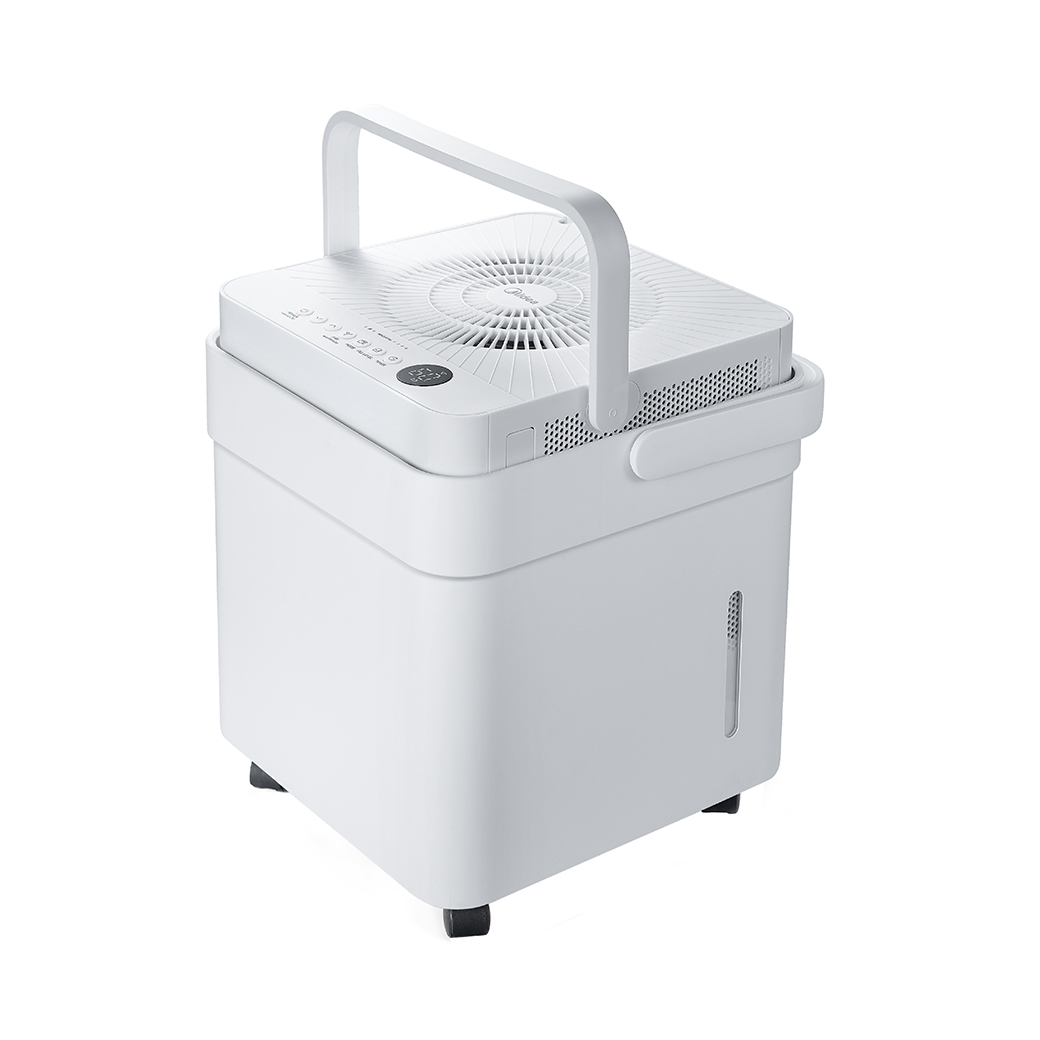 Midea Cube 50-Pint Dehumidifier | Best compact smart pick | Smart Wi-Fi, compact cube design, 4,500 sq ft | $200–$300 | Check Price on Amazon |
 GE 50-Pint Dehumidifier | Best ENERGY STAR smart model | ENERGY STAR, Smart Dry, Wi-Fi, 50 pints/day | $250–$350 | Check Price on Amazon |
Prices are ranges at time of writing and change frequently — check Amazon for the current price.
A dehumidifier is a small refrigerator with the doors off. A fan draws damp basement air over cold coils, the moisture in the air condenses into water on the coils, and the water drips into a bucket or out through a hose while the now-drier air is warmed slightly and blown back into the room. That is the whole mechanism, and it is why the two numbers that matter are capacity — how many pints of water the unit can pull from the air per day — and efficiency, which is where ENERGY STAR certification comes in.
Basements stay damp for structural reasons, not because their owners do anything wrong. They sit below grade, surrounded by cool earth, so their walls and floors are colder than the air — and cold surfaces condense moisture out of warm summer air like a cold drink sweating on a table. They are also usually the least ventilated rooms in the house, and the most likely to have small water entry through foundation cracks or window wells. The US EPA recommends keeping indoor relative humidity between 30% and 50%; a basement left alone in summer will often sit at 60% or higher, which is the range where mould grows and dust mites thrive.
That is also why a dehumidifier is a treatment, not a cure. If water is actively entering the basement, fix the entry — grading, gutters, sealing — first. A dehumidifier handles the ambient humidity that remains after the water is stopped, and it does it well: set to around 45%, it will hold a basement in the healthy band all summer with only the electricity to pay for.
For basements, 50 pints is the standard answer, and all four picks here are 50-pint models. A 30-pint unit that would be plenty for a bedroom will run constantly in a damp basement and still lose ground on humid days, while a 70-pint unit costs more to buy and run for capacity most basements never use. The 50-pint class is the sweet spot: enough capacity to pull a wet basement down to 45% in a reasonable time, then cycle on and off to hold it there.
Coverage claims need reading with care. The hOmeLabs 50-pint is listed for rooms up to 7,000 square feet, and the Midea Cube for spaces up to 4,500 square feet — but those figures assume moderate dampness and normal ceiling heights. A very wet basement, a finished basement with carpets and furniture, or a basement with an open stairwell to the rest of the house will all need more capacity than the headline number suggests. Treat the square-footage figure as a ceiling, not a promise, and size up if your basement smells musty even with a dehumidifier running.
Efficiency is the other half of the sizing question. An ENERGY STAR certified dehumidifier uses less energy to remove the same amount of water than a non-certified model of the same capacity, which matters when the machine runs for months at a time — the GE and Midea models here both carry the certification, and the Midea Cube was named an ENERGY STAR Most Efficient model. Over a summer of continuous running, the efficiency gap pays for a meaningful share of the purchase price.
Every dehumidifier in this guide collects water in a bucket, and every one of them will stop working when the bucket fills — which, in a damp basement, can be twice a day. That is why the drainage decision matters more than any feature on the spec sheet. There are three options, and the right one depends entirely on your basement's layout.
A gravity drain hose is the cheapest answer: connect a standard garden hose to the unit's drain outlet and run it downhill to a floor drain, laundry sink or sump pit. It costs nothing beyond the hose, it never fails, and it works on all four models here. It only needs the drain to be lower than the dehumidifier's outlet. If your only drain is a sink at the top of the basement stairs, gravity will not help — and that is when a pump earns its price. The hOmeLabs 50-pint is available with a built-in pump that pushes water uphill through a long hose to a sink or out a window, and the pump version is the one to buy when no low drain exists. The Frigidaire and GE models support continuous gravity drainage, with pump variants in their line-ups for the same problem.
If you do end up on the bucket, size matters: the hOmeLabs carries a 1.6-gallon tank, so it runs longer between empties than smaller-tank models. But honestly, a basement dehumidifier on a bucket is a chore you will abandon — set up a drain or a pump on day one, put the unit on caster wheels near the drain, and let it run itself. Our best humidifier for bedroom guide covers the opposite problem — adding moisture where the air is too dry.
For most basements, a 50-pint dehumidifier is the right size. Basements are the dampest rooms in a house — cool, below grade, and often poorly ventilated — so they need more capacity than a bedroom of the same size. A 50-pint model suits basements up to roughly 4,500 square feet depending on dampness. If your basement is very wet, has visible water seepage, or smells strongly musty, size up or fix the water entry first — no dehumidifier compensates for a leak.
It depends on drainage. If your basement has a floor drain, a laundry sink, or a sump pit at or below the dehumidifier's outlet, a gravity drain hose is enough and costs nothing extra. If the only drain is above the unit — a common case in basements — you need a built-in pump to push the water uphill, or you will be emptying the bucket by hand. The pump versions of the hOmeLabs and Frigidaire models are the practical choice when no low drain exists.
The US EPA recommends keeping indoor relative humidity between 30% and 50%. Below 30% the air gets uncomfortably dry, and above 50% mould and dust mites thrive — and basements drift above 50% easily. Set your dehumidifier to around 45% and let its humidistat hold it there; that target keeps the basement dry enough to prevent mould while avoiding the energy cost of chasing very low humidity.
Yes — that is how they are designed to work. A basement dehumidifier with a humidistat runs until the target humidity is reached, then cycles on and off to hold it there. What it should not do is run with a full bucket: either connect a drain hose or choose a pump model so it never stops on a full tank. In winter, use a model with auto-defrost, since coils can ice up in cold basements below about 41°F.
Buy the Frigidaire 50-Pint for most basements — the right capacity, Wi-Fi control, and continuous drainage cover the standard case completely. Buy the hOmeLabs 50-Pint with pump if your only drain is uphill, since a bucket routine is a chore that ends in a wet basement. Buy the Midea Cube if space is tight or you want the most compact smart model, and the GE 50-Pint if ENERGY STAR efficiency and the Smart Dry mode matter most to you. Whichever you choose, set it to 45%, connect a drain on day one, and fix any water entry before you plug it in — do that, and a damp basement becomes a dry one. For the rest of the home's air, see our best air purifier for large rooms guide.
Home Comfort · Air Quality
The best air purifier for allergies in 2026: we compared True HEPA filtration, CADR and room coverage to find the purifiers that actually cut pollen and dander.
Read ReviewHome Comfort · Air Quality
Looking for the best air purifier for large rooms? We compared CADR, coverage & noise across top picks to find the best large-room purifiers for 2026.
Read ReviewHome Comfort · Air Quality
The best humidifier for bedroom in 2026: we compared tank size, runtime, mist type and smart controls to find the quietest, easiest humidifiers for better sleep.
Read Review