Kitchen · Coffee
Espresso Machine vs Drip Coffee Maker (2026) — Which Wins?
Espresso vs drip coffee maker: we compared the Breville Barista Express, De'Longhi Dinamica Plus, Moccamaster and OXO Brew 9-Cup on taste, cost and effort.
Read Review
| Product | Best For | Key Feature | Price Range | |
|---|---|---|---|---|
| OXO Brew Compact Cold Brew Coffee Maker | Best overall cold brew maker | Rainmaker top, 24-oz brewer, auto-drain valve | $30–$40 | Check Price on Amazon |
 Takeya Cold Brew Coffee Maker | Best budget cold brew pitcher | 2-quart glass pitcher, airtight lid, fine-mesh filter | $25–$40 | Check Price on Amazon |
 Toddy Cold Brew System | Best large-batch cold brew | Brews up to 48 oz of concentrate, felt filters | $40–$55 | Check Price on Amazon |
Prices are ranges at time of writing and change frequently — check Amazon for the current price.
We compared manufacturer specifications, brewing guides and verified buyer feedback across the cold brew market, weighting ease of use (30%), batch size and yield (25%), filtration quality (25%) and cleaning (20%). This is a research-based comparison of specs and owner feedback, not a hands-on test. The most important difference between these three makers is not the coffee they produce — all three make good cold brew — it is the workflow: how much you brew, how it drains, and how much you have to wash afterwards.
Batch size drives the choice. The OXO Compact brews in a 24-ounce container and yields about 16 ounces of concentrate, enough for roughly seven drinks — a week of iced coffee for one person. The Takeya holds 2 quarts, so it suits a household that drinks cold brew daily. The Toddy is the heavyweight: it brews up to a pound of coffee at a time and yields up to 48 ounces of concentrate, which is why cafes have used it for decades. If you already grind your own beans, our best burr coffee grinder for espresso guide covers the grinders that produce the coarse, even grind cold brew needs.
The OXO Brew Compact is the most engineered of the three. Its perforated Rainmaker top spreads water evenly over the grounds, the ultra-fine stainless steel mesh filter keeps grounds out of the carafe, and the brewer drains automatically when you set it on the carafe — no lifting, no stopper to pull. It is the only pick here with a cork stopper with a silicone seal, which keeps the concentrate fresh in the fridge, and the whole thing nests for storage. The trade-off is capacity: 16 ounces of concentrate is a week for one person, not a household.
The Takeya is the simplest and cheapest route in. It is a glass pitcher with a fine-mesh filter basket and an airtight lid: add grounds and water, steep, lift out the filter, and pour. There is nothing to assemble and nothing to drain — but there is also nothing to stop fine sediment, so a coarse grind matters more here than with the OXO. It is the best pick if you want cold brew with the least fuss and the least money, and if you are happy brewing in the fridge door. The Toddy is the opposite end of the spectrum: a brewing container, a glass decanter, reusable felt filters and a rubber stopper. It makes the most concentrate per batch by far, and its felt filtration produces a notably clean cup, but the felt filters need washing and occasional replacing, and the system takes up real counter space. For hot coffee mornings, see our espresso machine vs drip coffee maker comparison.
Cold brew is coffee steeped in cold or room-temperature water for 12 to 24 hours instead of being brewed with heat. Time replaces temperature: the long, slow extraction pulls out the coffee's sweet, chocolatey compounds while leaving behind many of the bitter, acidic compounds that hot water extracts quickly. The result is a smooth, naturally sweet concentrate that you dilute with water or milk — usually one part concentrate to one or two parts water — and serve over ice or heated.
The grind is the single biggest variable. Cold brew needs a coarse grind, about the texture of raw sugar: too fine, and the grounds over-extract and clog the filter, leaving a muddy, bitter brew. The ratio matters too — most makers use roughly one part coffee to four or five parts water by weight. And because the brew is a concentrate, it keeps well: sealed in the fridge, it stays fresh for up to two weeks, which is why a Sunday batch can cover the whole work week. If you want to upgrade the beans themselves, a good grinder is the first purchase — see our best espresso machine under $500 guide for the machines that pair well with a cold brew habit.
The OXO Brew Compact Cold Brew Coffee Maker is the best overall: it brews about 16 ounces of concentrate, drains automatically onto its carafe, and its Rainmaker top distributes water evenly over the grounds. The Takeya is the best budget pick, and the Toddy is best for large batches.
Cold brew steeps for 12 to 24 hours. Most makers recommend starting with 12 hours for a lighter cup and up to 24 hours for a stronger concentrate. You cannot speed it up with hot water — that makes iced coffee, not cold brew.
Yes. Cold-water extraction pulls out fewer of the acidic and bitter compounds that hot water extracts quickly, which is why cold brew tastes smoother and sweeter. The concentrate is still coffee, though — diluting it does not remove the caffeine.
Sealed in the refrigerator, cold brew concentrate stays fresh for up to two weeks. The OXO Compact's carafe has a cork stopper with a silicone seal, and the Takeya's airtight lid serves the same purpose — keep it sealed and cold.
Buy the OXO Brew Compact if you want the easiest, cleanest cold brew routine for one or two people — it is the best-designed maker here. Buy the Takeya if you want the cheapest way into cold brew and do not mind a simple pitcher. Buy the Toddy if you brew for a household or want the biggest batches of concentrate. Whichever you choose, grind coarse, use filtered water, and give it the full 12 to 24 hours — cold brew rewards patience more than equipment.
Kitchen · Coffee
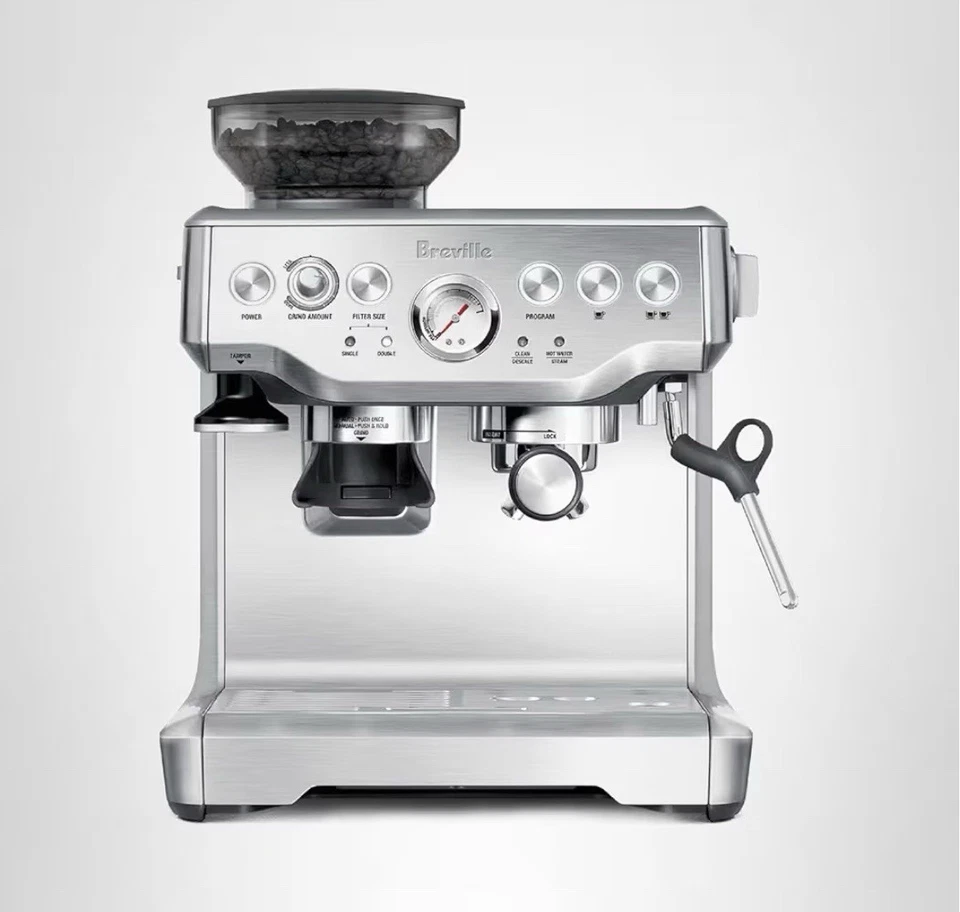
Espresso vs drip coffee maker: we compared the Breville Barista Express, De'Longhi Dinamica Plus, Moccamaster and OXO Brew 9-Cup on taste, cost and effort.
Read ReviewKitchen · Coffee
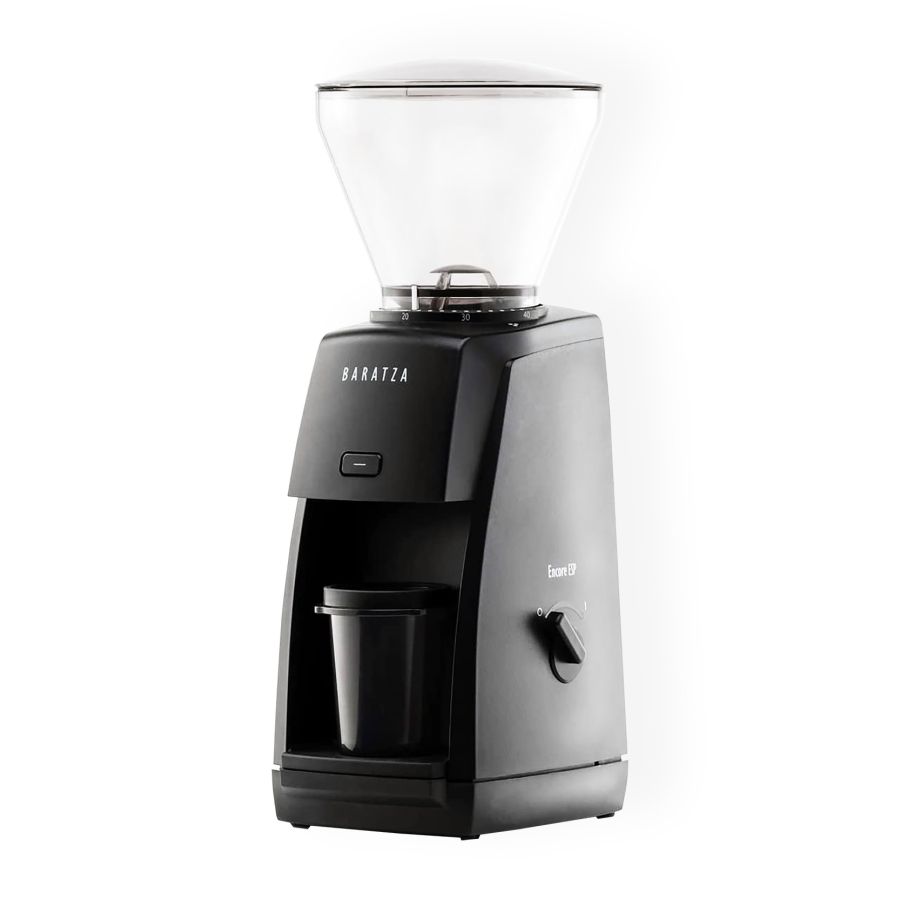
Best burr coffee grinder for espresso 2026: Baratza Encore ESP, Eureka Mignon Specialita, Breville Smart Grinder Pro and Fellow Opus 2 compared.
Read ReviewKitchen · Coffee
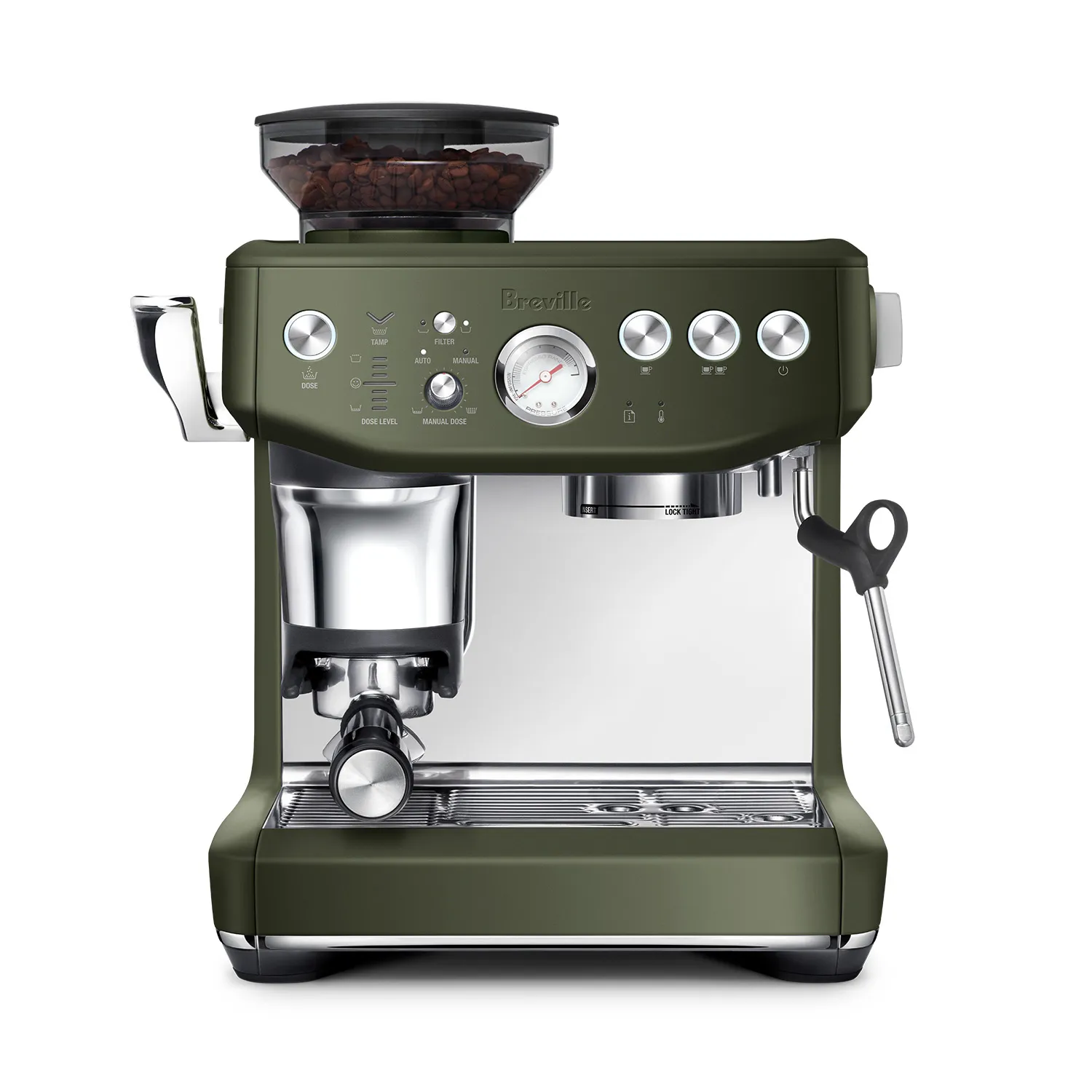
We compared the best espresso machines under $500 for 2026 — built-in grinders, PID temperature control and steam power — to find the right machine for your budget.
Read Review