Kitchen · Baking
Best Stand Mixer for Bread (2026)
Heavy dough needs a heavy-duty mixer. We compared bowl-lift power, dough capacity and durability to find the best bread mixers.
Read Review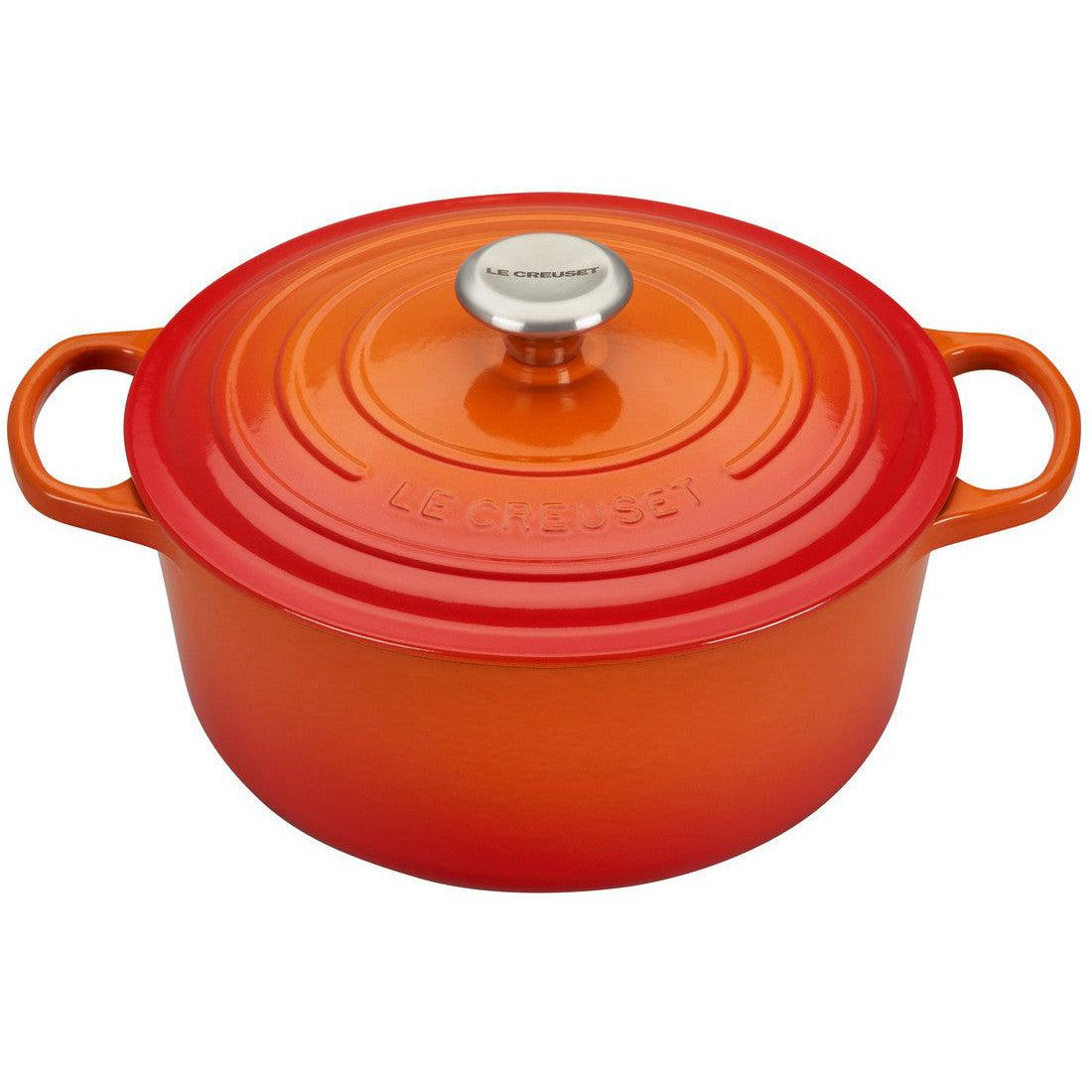
| Product | Best For | Key Feature | Price Range | |
|---|---|---|---|---|
| Le Creuset Signature Round Dutch Oven | Best Dutch oven for bread overall | 5.5 qt, made in France, oven-safe 500°F, light sand interior, lifetime warranty | $290–$455 | Check Price on Amazon |
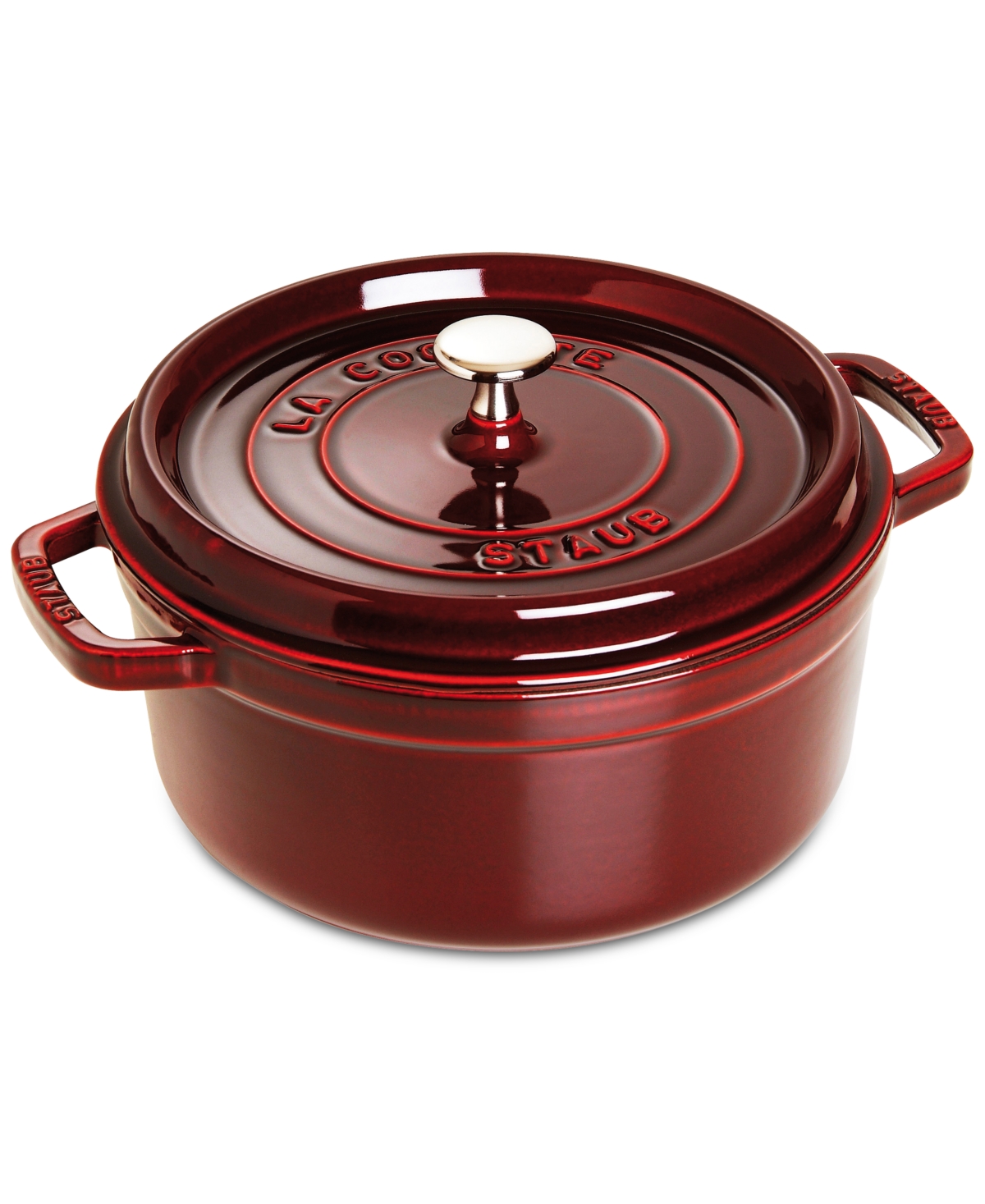 Staub Round Cocotte | Best Dutch oven for braising | 5.5 qt, made in France, self-basting dimple lid, matte black interior, 500°F with lid | $280–$400 | Check Price on Amazon |
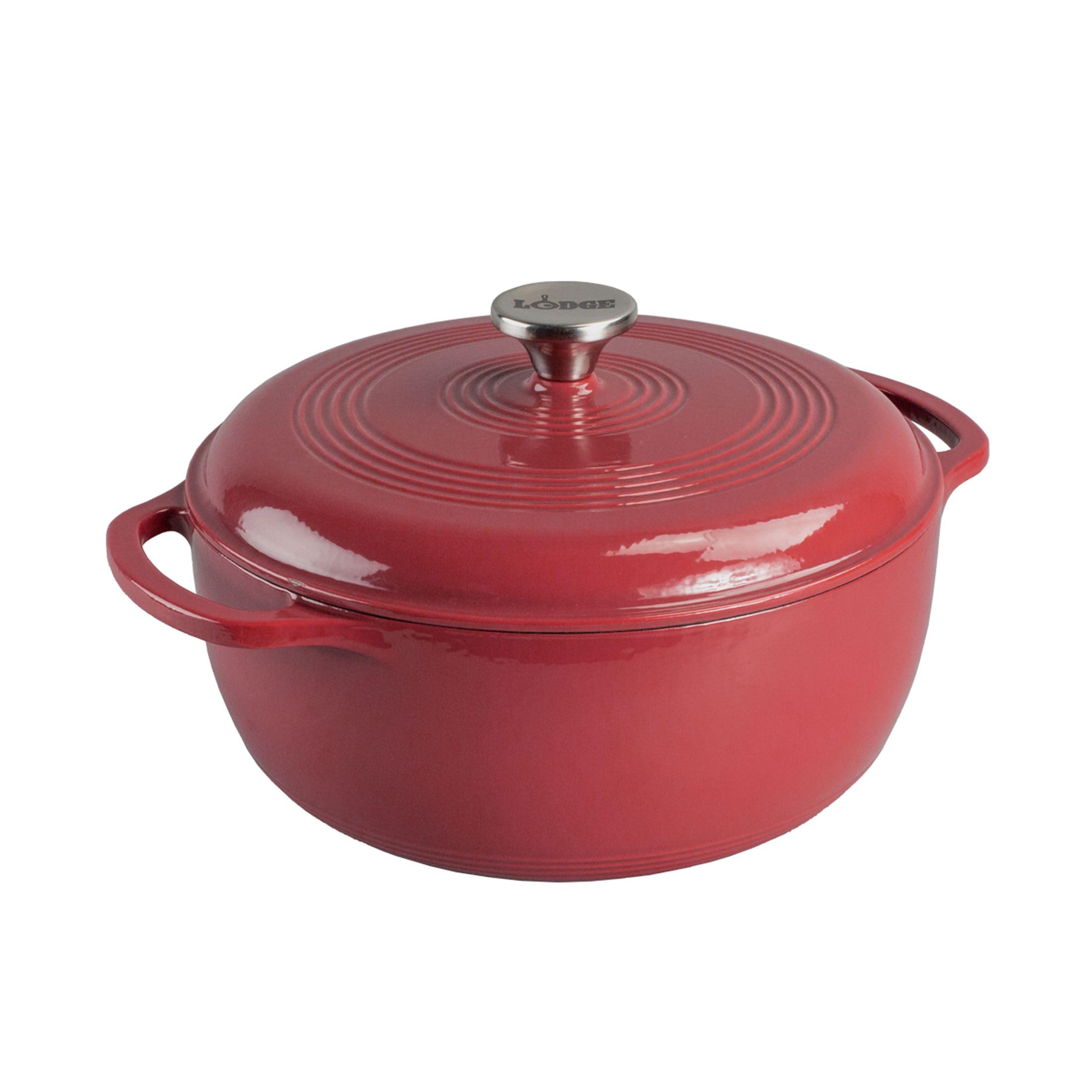 Lodge Enameled Cast Iron Dutch Oven | Best budget Dutch oven | 6 qt, porcelain enamel, oven-safe 500°F incl. knob, 13.52 lb, lifetime warranty | $70–$100 | Check Price on Amazon |
Prices are ranges at time of writing and change frequently — check Amazon for the current price.
We compared manufacturer specifications, lid and interior design and verified buyer feedback across the enameled Dutch oven market, weighting bread-baking performance (35%), size and fit for a standard loaf (25%), build quality and warranty (20%) and value (20%). This is a research-based comparison of specs and owner feedback, not a hands-on test. For bread, a Dutch oven has one job: trap steam. The heavy lid and thick cast iron walls hold the moisture the dough releases, keeping the crust soft while the loaf springs up, then crisping it into a crackly shell. That is the whole trick, and any well-made enameled pot does it.
Size is the first filter, and volume is the wrong number to shop on. What decides whether your loaf comes out round or flat is interior diameter: a standard home loaf of 800 to 1,000 grams of dough wants a vessel roughly 9 to 10 inches across. That is where a 5.5-quart Le Creuset (10.2-inch interior), a 5.5-quart Staub (about 10.5 inches) and a 6-quart Lodge (10.75 inches) all land. Smaller pots crowd the loaf; larger pots let it spread into a pancake. The second filter is the oven rating: most no-knead and sourdough recipes preheat to 450–500°F, and all three picks are rated to 500°F — but check the knob, because some older phenolic knobs were rated to 480°F. The third filter is the interior: Le Creuset's light sand enamel shows browning clearly, Staub's matte black hides stains but browns beautifully, and Lodge's cream enamel is the budget version of the same idea. For the mixer that makes the dough, our best stand mixer for bread guide covers the heavy-duty machines.
The Le Creuset Signature Round 5.5-Qt is the benchmark every other enameled pot is measured against. Hand-cast in France since 1925, it is the lightest premium pot here at about 11.3 pounds, with a light sand-coloured interior that makes it easy to see browning, a tight-fitting lid that returns moisture to the food, and a limited lifetime warranty that has made it a genuine heirloom. It is oven-safe to 500°F, works on every cooktop including induction, and comes in more than 30 colours. The list price is $455 for the 5.5-quart, though it routinely sells for $290–$370 on Amazon. The honest question is whether it bakes better bread than the Lodge — and the answer is no, it bakes the same bread. What you pay for is lighter weight, a better warranty story, and a pot that will outlive you. If you want the best and the budget allows, buy it.
The Staub Round Cocotte 5.5-Qt is the connoisseur's pot and the best braiser of the three. Made in France since 1974 and part of Zwilling since 2008, it has two features no competitor matches: a matte black enamel interior that absorbs more radiant heat and browns deeply, and the Chistera lid — a grid of small dimples on the underside that collect condensation and drip it back onto the food, keeping long braises moist without attention. The pot itself is rated to 900°F without the lid and 500°F with it, and the brass knob is rated to 500°F. At 12 to 13.2 pounds it is the heaviest here, and at $280–$400 it costs nearly as much as the Le Creuset. For bread it is excellent — the heavy lid seals steam in — but its real advantage shows in a four-hour braise. For the toaster oven that finishes your bread as toast, see our best toaster oven guide.
The Lodge Enameled Cast Iron Dutch Oven 6-Qt is the rational purchase. Fourteen pounds of porcelain-enameled cast iron, a 10.75-inch diameter, a stainless steel knob rated to 500°F along with the pot, dual loop handles, and a limited lifetime warranty — for $70–$100. America's Test Kitchen recommends it after it baked good bread and resisted chipping in testing. The trade-offs are real but small: sloped sides make the usable cooking surface slightly smaller than the diameter suggests, Lodge recommends hand washing and wood or silicone utensils, and the enamel is made in China rather than France. None of that matters to a loaf of bread. If you bake bread and want the result, not the badge, buy the Lodge and spend the $200 you saved on flour. For the air fryer that shares your counter, our air fryer vs convection oven guide compares the two ways to cook with hot air.
A Dutch oven is a thick-walled, lidded cast iron pot that goes from stovetop to oven to table. The enameled versions here seal the iron inside a porcelain coating, so they need no seasoning, will not rust, and will not take on flavours from one dish to the next. Cast iron's gift is thermal mass: once hot, it stays hot, and it releases heat evenly from all sides. That is why it braises, bakes and slow-cooks so well.
For bread, the Dutch oven is a steam chamber. A professional bakery oven injects steam in the first minutes of the bake; the steam keeps the crust soft so the loaf can spring up fully, then the dry heat finishes it into a crisp, crackly shell. A home oven cannot inject steam, but a preheated Dutch oven with its lid on does the same thing: the dough's own moisture is trapped inside, the loaf springs, and after 20–30 minutes you remove the lid so the crust browns. The method is simple — preheat the pot at 450–500°F, lower the dough in on parchment, lid on, bake, lid off, bake again — and it is the reason home sourdough improved so dramatically when no-knead recipes popularised the technique. The same pot then braises short ribs, simmers stew and bakes cobbler, which is why a Dutch oven is the most versatile pot in a kitchen.
The Le Creuset Signature Round 5.5-Qt is the best Dutch oven for bread baking overall — the lightest premium pot, oven-safe to 500°F, with a light sand interior that shows browning. The Staub Round Cocotte is best for braising thanks to its self-basting lid, and the Lodge 6-Qt is the best budget pick at around $80–$100.
A 5 to 6-quart round Dutch oven is the sweet spot for bread. A standard home loaf of 800 to 1,000 grams of dough wants a vessel roughly 9 to 10 inches across inside, which is where a 5.5-quart Le Creuset or Staub and a 6-quart Lodge land. Smaller pots crowd the loaf; larger pots let it spread flat.
A Dutch oven traps the steam released by the dough, which keeps the crust soft while the loaf springs up, then browns it into a crisp, crackly shell. It mimics a professional baker's steam-injected oven. The heavy cast iron also holds heat steadily, so the loaf bakes evenly from all sides.
All three pots here are rated oven-safe to 500°F, which covers the preheat most no-knead and sourdough recipes specify. Check the knob on your exact model: the current Le Creuset Signature ships with a stainless steel knob rated to 500°F, while some older phenolic knobs were rated to 480°F. Never heat an empty enameled pot on high on the stovetop.
Buy the Le Creuset Signature if you want the lightest, best-finished pot and a lifetime warranty — and you are happy to pay for it. Buy the Staub if you braise as much as you bake, and you want the self-basting lid and the deepest browning. Buy the Lodge if you want the bread, not the badge: it bakes a functionally identical loaf for around $80–$100, and the money you save buys a lot of flour. Whichever you choose, preheat it properly, use parchment, and take the lid off for the last stretch — that is where the crust is made.
Kitchen · Baking
Heavy dough needs a heavy-duty mixer. We compared bowl-lift power, dough capacity and durability to find the best bread mixers.
Read ReviewKitchen · Ovens
The best toaster oven for 2026: Breville Smart Oven Air Fryer Pro, Cuisinart TOB-260N1 and Ninja Foodi SP101 compared on capacity, functions and value.
Read ReviewKitchen · Air Fryers
Air fryer vs convection oven: COSORI TurboBlaze, Ninja Foodi DZ201, Breville Smart Oven Air Fryer Pro and Instant Omni Plus compared on crispiness and capacity.
Read Review