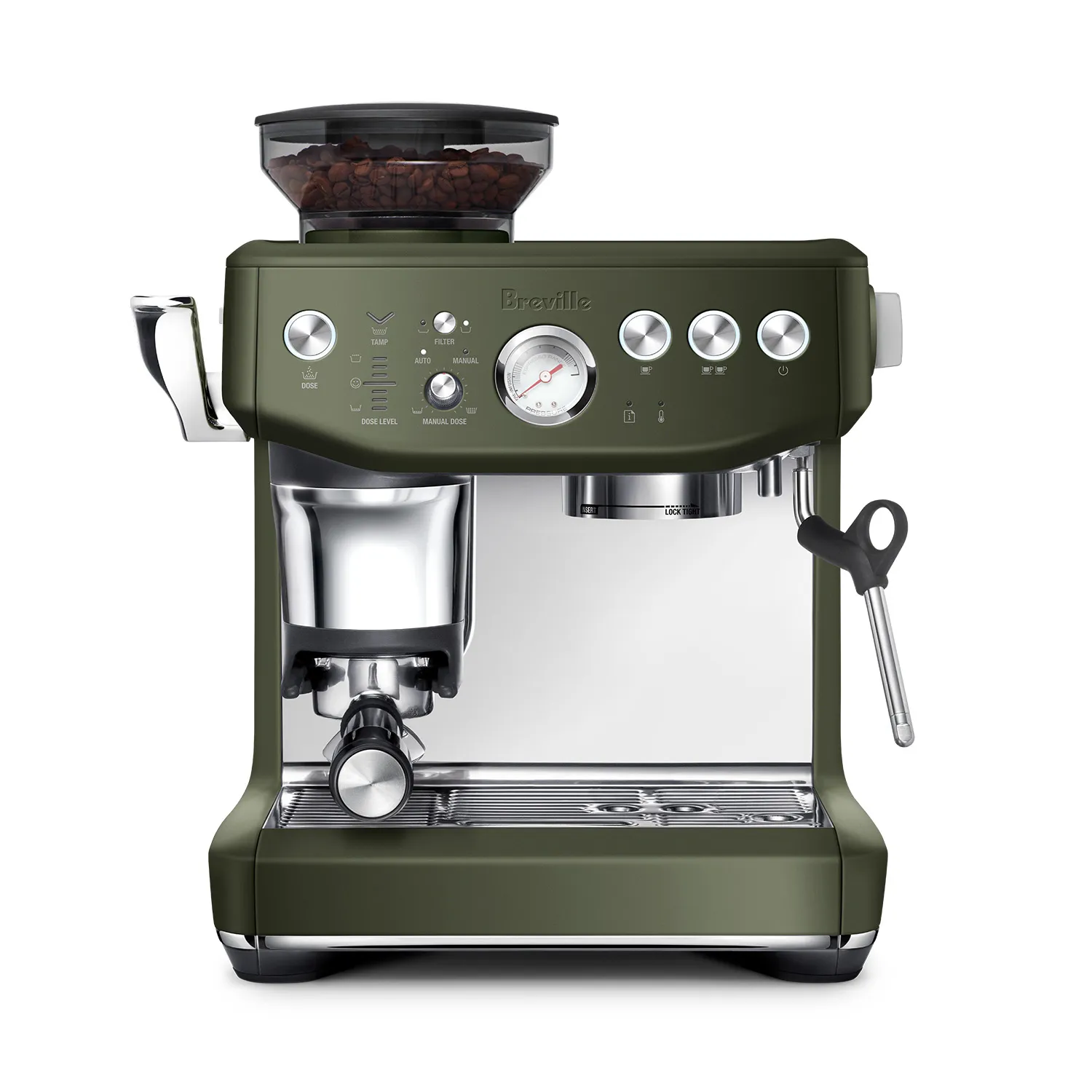
Kitchen · Espresso
Best Espresso Machine Under $500 (2026)
Barista-level shots without the café price — we compared grinders, temperature control and milk frothing across the best sub-$500 machines.
Read Review
| Product | Best For | Key Feature | Price Range | |
|---|---|---|---|---|
| KitchenAid 7-Quart Bowl-Lift | Best for big batches | 500W DC motor, 8.5+ lb dough | $500–$650 | Check Price on Amazon |
 Bosch Universal Plus | Best dedicated bread mixer | Bottom-drive, up to 15 lb dough | $400–$500 | Check Price on Amazon |
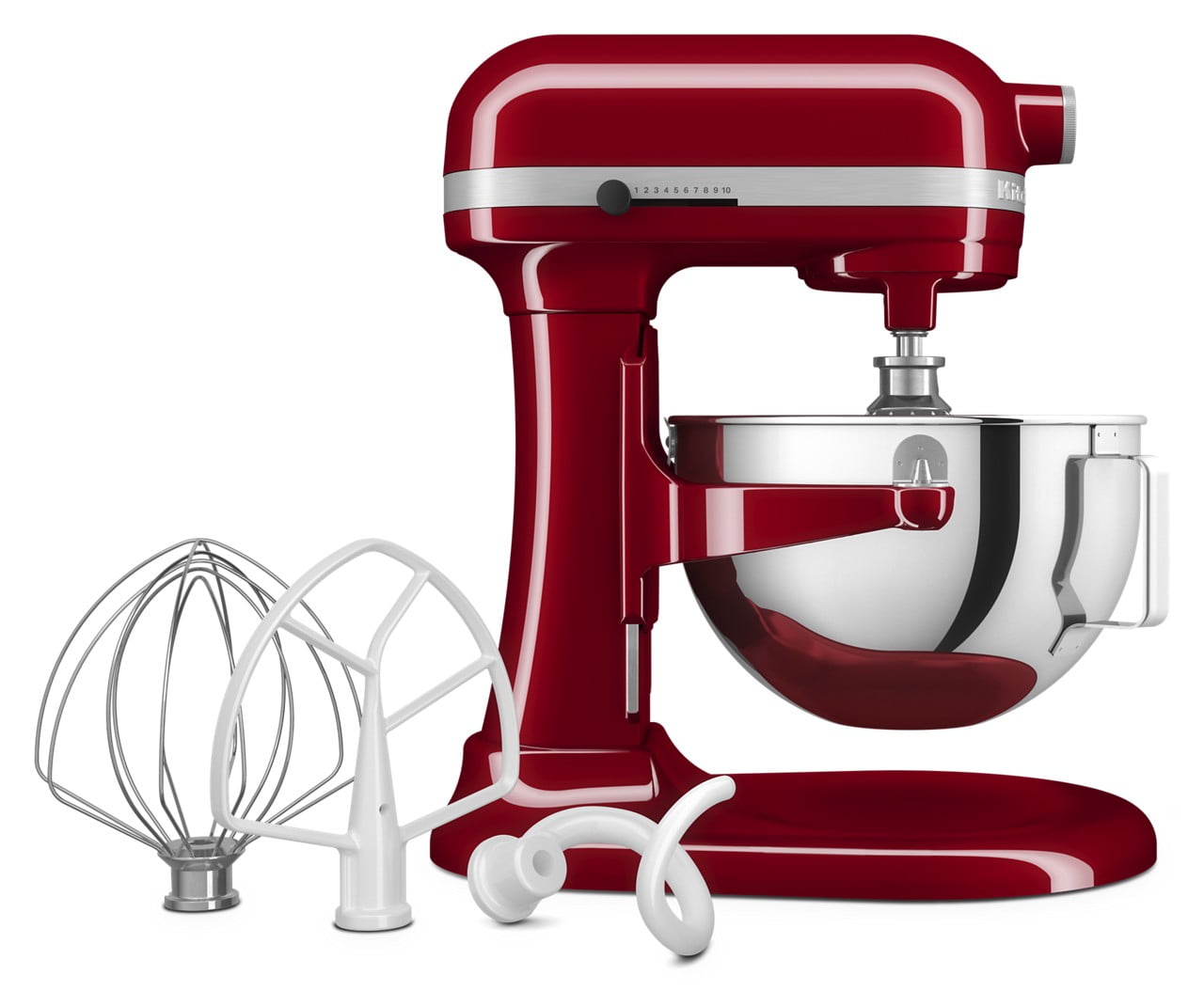 KitchenAid 5.5-Quart Bowl-Lift | Best mid-size | DC motor, 11 speeds | $300–$500 | Check Price on Amazon |
 Ankarsrum Assistent Original | Best lifetime bread mixer | Rotating bowl, up to 11 lb dough | $700–$800 | Check Price on Amazon |
Prices are ranges at time of writing and change frequently — check Amazon for the current price.
The 7-quart bowl-lift KitchenAid is the workhorse of this guide. Its 500W DC motor delivers noticeably more torque than the AC motors in smaller KitchenAids, and the bowl-lift design locks the bowl in place so heavy dough cannot rock the head. Based on our research of verified buyer feedback and expert coverage, it comfortably handles 8.5+ lb of dough — enough for two large loaves or a double batch of pizza dough — without the overheating complaints that follow smaller tilt-head models. It is big and heavy, so it needs a permanent home on your counter, but for families who bake weekly it is the most versatile pick here, equally happy with bread, cookies and whipped cream.
The Bosch Universal Plus is built differently from every other mixer on this list: the motor sits underneath and drives the bowl from below, so the machine never fights gravity and never walks across the counter. That design lets it handle up to 15 lb of dough — roughly triple what a standard stand mixer manages — which is why serious bread bakers and large families swear by it. It looks less elegant than a KitchenAid and its plastic bowl divides opinion, but verified buyers consistently report that it kneads stiff whole-wheat and rye doughs that would stall other machines. If bread is the main job, this is the most capable mixer per dollar in this guide.
The 5.5-quart bowl-lift hits the sweet spot for most home bakers: a DC motor with 11 speeds, a bowl big enough for two loaves, and a price that regularly drops to around $350–$400 on sale. It handles a single large batch of dough comfortably and, unlike tilt-head models, stays planted while kneading. Our research found it to be the most commonly recommended "first serious mixer" among baking communities, precisely because it does bread well without demanding the counter space or budget of the 7-quart model. If you bake once or twice a week and also want a general-purpose mixer, start here.
The Ankarsrum is the odd one out — and the most loved by people who bake bread every day. Instead of a planetary beater, its bowl rotates while a roller and scraper knead the dough gently, mimicking hand kneading. That action develops gluten without overheating the dough, and it handles up to 11 lb at a time. It is also famously durable, with many owners reporting 20+ years of use. The trade-offs are real: it looks unusual, it is the most expensive pick here, and whipping cream or meringue takes a different attachment and a little practice. But if bread is a daily ritual rather than a weekend hobby, nothing else in this guide is built quite like it.
Bread dough is the hardest job a stand mixer will ever do. A stiff whole-wheat dough can weigh several pounds and resist the beater with surprising force, which is why so many tilt-head mixers overheat, wobble or trip their thermal protection when asked to knead. The difference comes down to three things: motor type, bowl design and gearing. DC motors, found in KitchenAid's bowl-lift line, deliver more torque at low speed than the AC motors in entry-level tilt-heads — and low speed is exactly where kneading happens. Bowl-lift models also lock the bowl to the base, so the machine's weight works for you instead of against you.
Capacity ratings can mislead. A "5-quart" bowl does not mean 5 quarts of dough — flour capacity is the number that matters, and manufacturers state it differently. As a rule of thumb, a 5-quart mixer handles about 8–9 cups of flour (one large loaf), a 6- or 7-quart bowl-lift handles 12–14 cups (two loaves), and dedicated bread mixers like the Bosch go far beyond that. If you regularly bake more than your mixer can handle, you will either bake in batches or burn out the motor — so buy for the biggest batch you actually make, not the average one. And always knead on speed 2: higher speeds do not develop gluten faster, they just heat the dough and strain the gears.
Bread baking is part of a bigger home-kitchen upgrade for many buyers. If your mornings start with coffee, our best espresso machine under $500 guide covers machines that pair well with fresh bread, and our best blender for smoothies roundup is worth a look if you want one countertop that does breakfast end to end.
Most buyers know the two KitchenAid styles, but the differences matter more for bread than for anything else. Tilt-head mixers lift the head up to swap bowls — convenient, and fine for cakes and cookies — but the hinge becomes a weak point under heavy dough, and the head can bounce as the dough pulls. Bowl-lift mixers use a crank to raise the bowl into the beater, locking everything rigid; they are heavier, taller and harder to move, but they are the right tool for dough. Every KitchenAid in this guide is a bowl-lift model for exactly that reason.
The Bosch and Ankarsrum take different routes to the same goal. Bosch's bottom-drive design puts the motor under the bowl, so torque goes straight into the dough with no head to flex. Ankarsrum's rotating bowl with a roller mimics hand kneading: the dough is stretched and folded rather than beaten, which keeps it cooler and develops gluten more gently. Expert reviewers often note that Ankarsrum dough comes out noticeably smoother, while Bosch dough comes out faster. For most buyers, a bowl-lift KitchenAid is the practical middle ground — familiar, versatile and strong enough. Choose Bosch if volume is king, and Ankarsrum if bread quality and longevity matter most.
A great mixer still needs good technique. Start by adding water before flour when the recipe allows — it helps the dough come together evenly and reduces the flour dust that coats the bowl. Let the dough rest for 20–30 minutes after mixing (an autolyse) before kneading; this single step improves gluten development more than any extra minute of mixing. Knead on speed 2 for 8–10 minutes for most breads, and use the windowpane test — stretch a small piece thin; if it forms a translucent sheet without tearing, the gluten is developed.
Watch the dough, not the clock. Whole-wheat and rye doughs take longer and will never pass the windowpane test as cleanly as white flour, so judge by feel: the dough should be smooth, slightly tacky and pull away cleanly from the bowl. If the dough climbs the hook, stop the mixer and push it down; if the motor sounds strained, your batch is too big. And resist the urge to add flour during kneading — a sticky dough usually just needs more time, and extra flour makes a dense loaf. These habits matter more than the badge on your mixer, but a capable machine makes them far easier to practice: it holds a steady speed, keeps the bowl still and lets you focus on the dough instead of the machine.
For a single loaf, a 5-quart mixer is enough. If you bake two loaves at a time or make pizza dough weekly, choose a 6- or 7-quart bowl-lift model. For very large batches, a dedicated bread mixer like the Bosch Universal Plus handles far more dough than any standard stand mixer.
Yes, but choose the right model. Bowl-lift KitchenAids with a DC motor handle dough far better than tilt-head models, which can strain and overheat with stiff dough. Stay within the manufacturer's flour limits and knead on speed 2.
For serious bread bakers, yes. Its rotating bowl and roller knead gently like hands, it handles up to 11 lb of dough, and it is built to last decades. For occasional bakers, a KitchenAid bowl-lift model is better value.
Black Friday week is the best window of the year. In 2026, the KitchenAid Artisan 5-Qt has been seen around $350 and the 7-Qt bowl-lift around $500, well below their usual prices. Holiday deals on mixers are deep and sell out quickly.
If you bake bread weekly for a family, the KitchenAid 7-Quart Bowl-Lift is the best stand mixer for bread in 2026 — powerful, stable and versatile enough to earn its counter space every day. If bread is the main event and you bake in bulk, the Bosch Universal Plus handles more dough per dollar than anything else here. The 5.5-quart bowl-lift is the smart mid-size pick for most households, and the Ankarsrum Assistent Original is the one to buy if you want a mixer your grandchildren will inherit. Whatever you choose, buy during Black Friday week if you can — the savings on a mixer this size are real — and check the current price before ordering, because holiday stock moves fast.
Kitchen · Espresso
Barista-level shots without the café price — we compared grinders, temperature control and milk frothing across the best sub-$500 machines.
Read ReviewKitchen · Prep
Chop, slice and knead in seconds. We compared bowl size, motor power, blades and ease of cleaning to pick the best food processor for every kitchen.
Read ReviewKitchen · Blenders
Silky smoothies start with real power. We compared motor strength, blade design and presets across the top smoothie blenders.
Read Review