Kitchen · Baking
Best Stand Mixer for Bread (2026)
Heavy dough needs a heavy-duty mixer. We compared bowl-lift power, dough capacity and durability to find the best bread mixers.
Read Review| Product | Best For | Key Feature | Price Range | |
|---|---|---|---|---|
| Best overall | Variable speed, self-cleaning | $400–$500 | Check Price on Amazon | |
 Vitamix E310 Explorian | Best value Vitamix | 48-oz container, 10 speeds | $300–$400 | Check Price on Amazon |
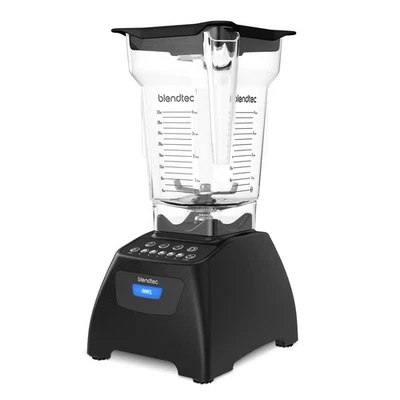 Blendtec Classic 575 | Best for presets | 5 preprogrammed cycles | $300–$400 | Check Price on Amazon |
 Ninja Professional Plus with Auto-iQ | Best budget | 1400 watts, Auto-iQ programs | $100–$150 | Check Price on Amazon |
Prices are ranges at time of writing and change frequently — check Amazon for the current price.
The Vitamix 5200 is the benchmark against which every other smoothie blender is judged. Its variable speed dial and tamper let you control the blend precisely — start slow to pull ingredients into the blades, then ramp up to pulverize frozen fruit and fibrous greens. Based on our research of verified buyer feedback and expert coverage, it is the most consistent performer for daily smoothies: kale disappears, frozen mango turns creamy, and chia or flax seeds vanish entirely. The 64-oz container suits families, the self-cleaning cycle (a drop of soap and warm water, 30–60 seconds) makes cleanup painless, and the 7-year warranty is among the best in the category. It is loud and it is not cheap, but for daily smoothie drinkers it is the last blender you will need to buy.
The E310 brings the core Vitamix experience down to the $300–$400 range. It uses the same motor platform and blade design as its bigger siblings, with a 48-oz container that is actually better sized for one or two servings — smaller batches blend more efficiently because ingredients stay in contact with the blades. It has 10 speeds and a pulse function but no preset programs, which suits people who prefer manual control anyway. Verified buyers consistently report smoothie quality indistinguishable from the 5200 for everyday recipes. If the 5200's price or 64-oz jar puts you off, the E310 is the smartest way into the Vitamix lineup.
Blendtec takes the opposite approach to Vitamix: instead of a dial and tamper, you get five preprogrammed cycles — smoothie, clean, 60-second, 90-second and whole juice — and a blunt safety blade that is easier to clean by hand. Press smoothie, walk away, and come back to a finished drink. Expert reviewers note that Blendtec's jar design creates a strong vortex that pulls ingredients down without a tamper, and its motor is every bit as powerful as Vitamix's. The trade-off is less fine control: if a blend needs a nudge, you restart the cycle rather than adjusting speed. For busy households that want one-button smoothies, that trade is well worth it.
At $100–$150, the Ninja Professional Plus is the best budget blender for smoothies by a clear margin. Its 1400-watt motor and Auto-iQ programs — timed pulses and pauses designed for smoothies and frozen drinks — handle ice and frozen fruit far better than other blenders at this price. The 72-oz pitcher suits families, and the stackable blade design crushes ice effectively. It will not match a Vitamix on kale or seeds — very fibrous ingredients can stay slightly gritty — but for fruit smoothies, protein shakes and frozen drinks it delivers results that surprise first-time buyers. If you make smoothies a few times a week rather than daily, this is the value pick.
The difference between a silky smoothie and a gritty one comes down to three factors: power, blade speed and jar design. Power matters because frozen fruit and ice demand sustained torque — a motor that bogs down under load leaves chunks. That is why we recommend at least 1,000 watts for daily smoothie use, and why the 1,400–1,500 watt motors in the Vitamix and Ninja models above handle frozen ingredients so much better than a 600-watt personal blender. But watts alone do not tell the whole story: blade tip speed and jar shape matter just as much. A well-designed jar creates a vortex that continuously pulls ingredients down into the blades, which is why Vitamix and Blendtec both invest so much in container geometry.
Technique is the free upgrade most people miss. Always load liquids first, then soft ingredients like yogurt or banana, then frozen fruit and ice on top — this order lets the blades spin freely before the heavy ingredients arrive. Blend leafy greens with the liquid alone for 30 seconds before adding anything else; this step alone eliminates most of the "grassy" texture people complain about. Use the tamper (or stop and stir) rather than adding more liquid when a blend stalls, and resist blending for longer than 60–90 seconds — past that point, friction heats the smoothie and thins it without improving texture. With the right machine and the right loading order, even a budget blender can produce a genuinely smooth result.
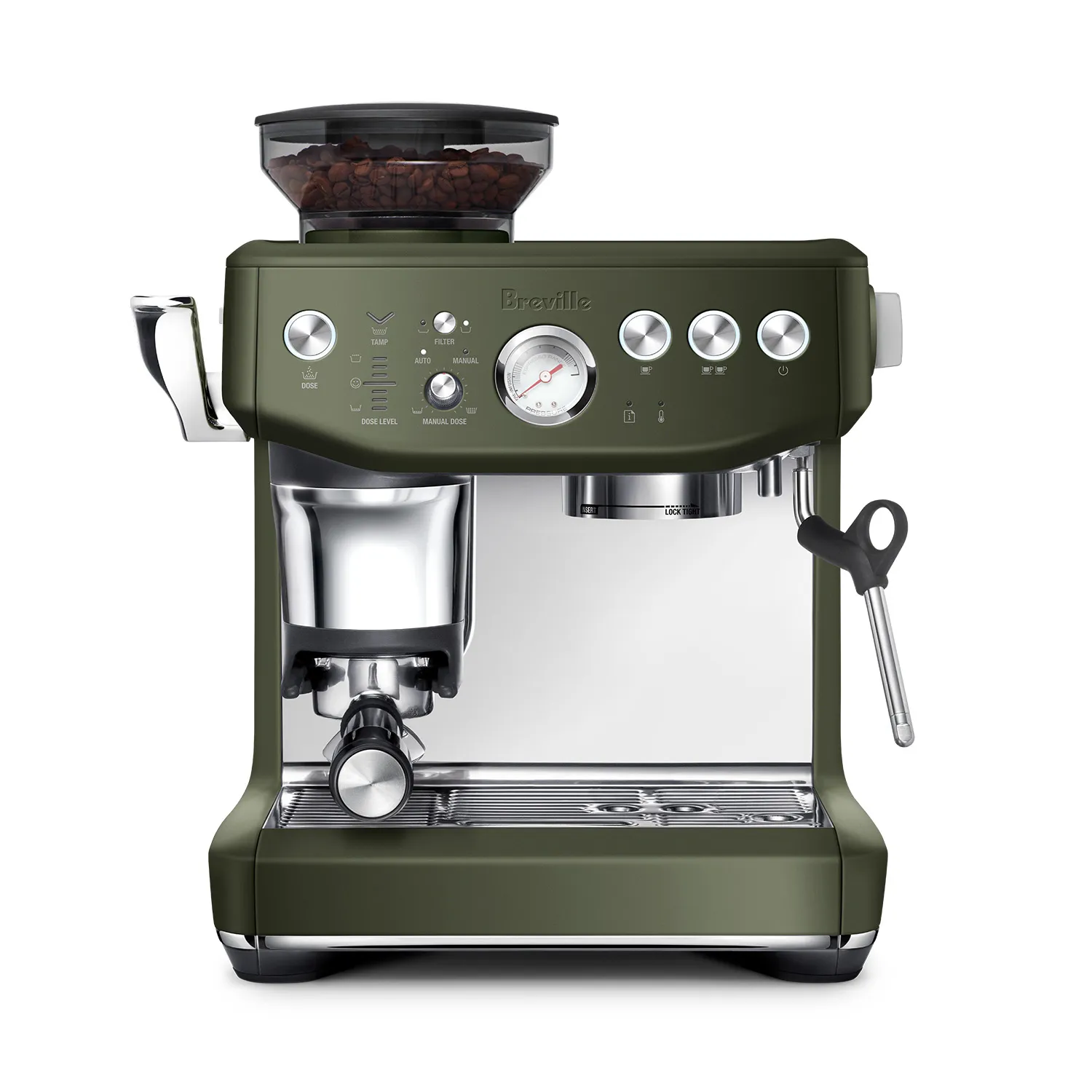
Smoothies are often part of a wider healthy-kitchen routine. If your mornings also involve coffee, our best espresso machine under $500 guide covers machines for the other half of breakfast, and our best stand mixer for bread roundup is worth a read if weekend baking is on the agenda too.
These three brands dominate the smoothie conversation, and they genuinely suit different people. Vitamix is the control freak's choice: a variable speed dial, a tamper and a 7-year warranty, with a huge ecosystem of containers and accessories. It rewards people who enjoy the process and want the smoothest possible result from any ingredient, including tough greens and seeds. Blendtec is the automation choice: presets, a blunt blade that is safer to clean, and a wider, shorter jar that fits under low cabinets. It suits busy households that want to press one button and get a consistent result every morning.
Ninja is the value choice, and it is closer to the premium brands than its price suggests. Its Auto-iQ programs automate the pulsing and pausing that a Vitamix owner does by hand, and its 1400-watt motor is genuinely powerful. Where it falls short is refinement: very fibrous ingredients can stay slightly gritty, and its warranty is shorter. Our research-based recommendation is simple. If you drink smoothies daily and care about texture, buy the Vitamix 5200 or E310. If you want one-button convenience, buy the Blendtec 575. If smoothies are a few-times-a-week habit and budget matters, the Ninja Professional Plus will make you very happy — and the $250+ you save buys a lot of frozen fruit.
Jar size is the most commonly overlooked spec. A 64-oz or 72-oz jar is great for families but blends small batches poorly, because the ingredients sit below the blades. If you mostly make one or two servings, a 48-oz container — like the one on the Vitamix E310 — blends more efficiently and is easier to store. Some brands offer single-serve cups that attach to the same base, which is worth considering if your household mixes family batches and solo smoothies. Measure your cabinet clearance too: tall blenders like the Vitamix 5200 can be too high to fit under standard upper cabinets, which matters if you plan to store it on the counter.
Noise is the other reality of high-power blending. Every blender in this guide is loud at full speed — that is the price of a 1,400-watt motor — but short blend times (45–60 seconds) make it a minor issue for most households. Cleaning is where premium blenders earn their keep: Vitamix and Blendtec both offer self-cleaning cycles that need only warm water and a drop of soap, while Ninja's pitcher and blades are dishwasher-safe. Whatever you buy, rinse the jar immediately after blending; dried smoothie residue is far harder to remove than fresh residue, and it is the main reason blender jars start to smell.
For daily smoothies with frozen fruit and ice, look for at least 1,000 watts. Premium blenders like Vitamix run around 1,400–1,500 watts, which is what produces a truly silky texture with leafy greens and frozen ingredients. Below 800 watts, expect grainy results and longer blend times.
If you make smoothies daily, yes. A Vitamix blends frozen fruit, kale and seeds into a genuinely smooth drink with no grit, and its 7-year warranty and self-cleaning make it easy to live with. For occasional smoothies, the Ninja Professional Plus delivers good results at a third of the price.
Vitamix uses variable speed with a tamper for manual control, while Blendtec uses preprogrammed cycles and a blunt safety blade with one-touch presets. Both make excellent smoothies; Vitamix suits people who like to control the blend, Blendtec suits people who want to press a button and walk away.
Load liquids first, then soft ingredients, then frozen fruit and ice on top. Blend leafy greens with the liquid for 30 seconds before adding anything else, and use the tamper or pulse to push ingredients into the blades. A little more liquid almost always helps more than extra blending time.
For daily smoothie drinkers, the Vitamix 5200 is the best blender for smoothies in 2026 — nothing else in this guide matches its texture on greens, seeds and frozen fruit, and its 7-year warranty means you buy it once. The Vitamix E310 is the smarter buy if you blend for one or two people, the Blendtec Classic 575 is the pick if you want to press a button and walk away, and the Ninja Professional Plus proves you can get a very good smoothie for $100–$150. Match the blender to how often you blend, check the current price before ordering — holiday deals on blenders are among the deepest of the year — and remember that loading order matters as much as the machine.
Kitchen · Baking
Heavy dough needs a heavy-duty mixer. We compared bowl-lift power, dough capacity and durability to find the best bread mixers.
Read ReviewKitchen · Prep
Chop, slice and knead in seconds. We compared bowl size, motor power, blades and ease of cleaning to pick the best food processor for every kitchen.
Read ReviewKitchen · Espresso
Barista-level shots without the café price — we compared grinders, temperature control and milk frothing across the best sub-$500 machines.
Read Review