Home Fitness · Strength
Best Power Rack for Home Gym (2026) — Top Picks
The best power rack for home gym in 2026: Rogue R-3, Titan T-3 and REP PR-4000 compared on steel gauge, weight capacity, footprint and price.
Read Review
| Product | Best For | Key Feature | Price Range | |
|---|---|---|---|---|
| REP Fitness FT-5000 2.0 | Best overall for serious home gyms | Dual 224 lb stacks, 2:1 ratio, 21 pulley positions | $2,400–$2,600 | Check Price on Amazon |
 Inspire Fitness FTX | Best for small spaces | Compact 54" × 40" footprint, dual 165 lb stacks | $1,900–$2,200 | Check Price on Amazon |
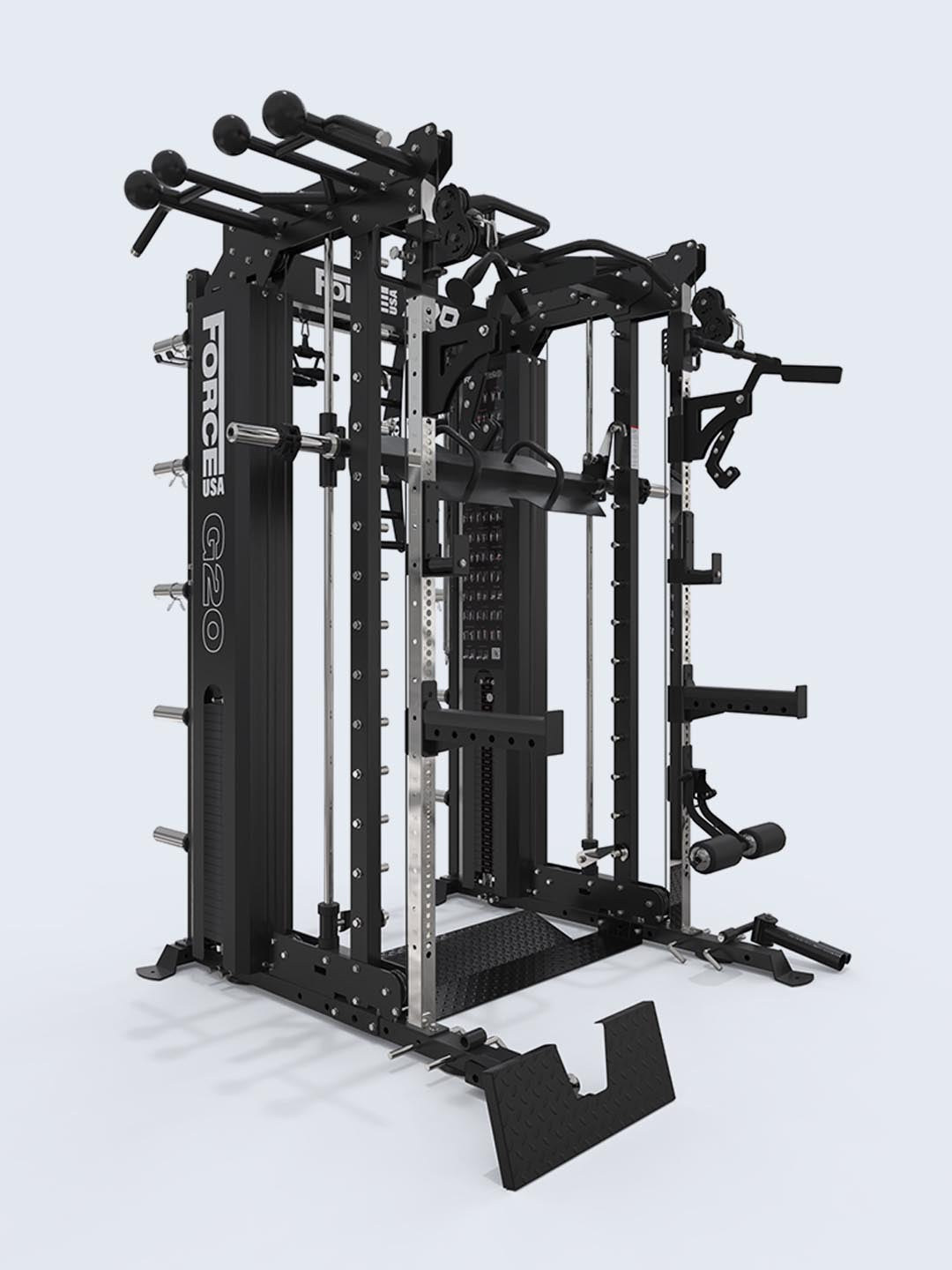 Force USA G20 Pro | Best all-in-one gym replacement | Smith machine + power rack + dual 289 lb stacks | $5,500–$6,500 | Check Price on Amazon |
 Marcy MD-9010G | Best budget plate-loaded option | Smith machine + cables + bench included, plates not included | $1,200–$1,400 | Check Price on Amazon |
A functional trainer is a dual-cable strength machine built around two height-adjustable pulley columns. Each column connects by steel cable to its own weight stack, so the two sides work independently: you can press, row or fly with both arms together, or train one side at a time. Because the pulleys slide up and down the columns — and on some models swivel — you can set the cable angle for almost any movement, from low cable rows to high-to-low wood chops. That versatility is the whole point: where a power rack locks you into a barbell path, a functional trainer follows your body's natural movement patterns.
The heart of the system is the weight stack and pulley ratio. Most home functional trainers are selectorized, meaning you pick the load by sliding a pin into a stack of plates — no loose plates to load, and changing weight takes seconds. Nearly all of them use a 2:1 pulley ratio: the cable travels twice as far as the stack rises, so the resistance at the handle is half the selected weight. A machine with dual 224 lb stacks therefore delivers up to about 112 lb of resistance per side, but with a longer, smoother cable travel that suits isolation work and athletic movements. The trade-off is real, though — if you regularly row or pull down more than 100 lb per arm, you need heavier stacks, a 1:1 ratio machine, or a plate-loaded system where you add your own plates.
Plate-loaded trainers such as the Marcy MD-9010G work differently: instead of built-in stacks, you slide your own Olympic plates onto loading pins. That keeps the purchase price down and removes any ceiling on resistance, but you need to own plates, and changing weight between exercises is slower. Selectorized machines cost more up front and are far more convenient day to day, which is why most buyers looking for the best functional trainer for a home gym choose them. Either way, the buying decision comes down to four numbers: stack weight, pulley ratio, footprint and ceiling height — plus the frame quality that determines whether the machine still feels solid in five years.
Our research points to the REP Fitness FT-5000 2.0 as the best functional trainer for most home gyms. According to the manufacturer and independent expert coverage, it pairs dual 224 lb weight stacks with a 2:1 pulley ratio, giving up to about 112 lb of usable resistance per side and 86 inches of cable travel. The pulleys adjust through 21 laser-etched positions, so the handles can be set higher and lower than on the original FT-5000, and the redesigned trolley is slimmer and lighter, with no rollers and pre-lubricated uprights for smoother adjustments. The frame is 11-gauge steel with a chip-resistant powder-coat finish, and the whole machine weighs about 875 lb assembled — heavy enough that buyers report it stays planted during hard training. It stands 85.5 inches tall and measures 68 inches wide by 36 inches deep, so it fits against a wall in most garages and spare rooms.
In the box you get two D-handles, storage pegs, four small incremental weights for finer jumps between plates, and a mountable exercise diagram showing 12 movements. A multi-grip pull-up bar is built into the top crossbar. REP backs the frame with a lifetime warranty, and the current price is $2,499 with free shipping from the manufacturer, which is why our price range for this pick is $2,400–$2,600. The main limitation is the starting weight: the minimum usable load is about 12.5 lb per side, which some buyers find too heavy for delicate isolation work such as lateral raises. Assembly takes around two hours with two people, and at 875 lb you will want to build it where it will live.
If floor space is your limiting factor, the Inspire Fitness FTX is the compact pick in this guide. Its footprint is just 54 inches wide by 40 inches deep, and at 82 inches tall it fits under most standard ceilings — one of the smallest footprints of any full dual-stack functional trainer, according to the manufacturer. Inside that compact frame are two 165 lb selectorized weight stacks running on a 2:1 ratio, which works out to about 82.5 lb of resistance per pulley. The pulleys swivel through 30 positions with 180 degrees of rotation, giving more cable-angle options than many larger machines, and a built-in pull-up bar adds bodyweight work on top of the cable exercises.
Five accessories ship in the box: a triceps rope, two deluxe D-handles, a dual-hook curl bar and a chin/dip belt. The frame is heavy-duty steel with a matte black electrostatic powder-coat finish, and the assembled machine weighs 544 lb. The FTX sells for $2,099, and Inspire covers the residential frame with a limited lifetime warranty. The honest trade-off is resistance: 82.5 lb per side is the lightest ceiling in this comparison, and the stacks cannot be upgraded beyond 165 lb, so stronger lifters may outgrow it on rows and pulldowns. A bench is also sold separately. For apartments, spare bedrooms and garage corners, though, the FTX delivers genuine dual-cable training where a full-size trainer simply would not fit.
The Force USA G20 Pro is not just a functional trainer — it is a whole gym built into one footprint. The manufacturer states it combines up to 14 strength training systems, including a power rack, a Smith machine, a functional trainer, a leg press station, a landmine, a suspension trainer and a chin-up station. The cable system runs on dual 289 lb weight stacks at a 2:1 ratio, giving about 144.5 lb of effective resistance per cable — the heaviest ceiling in this guide. The Smith machine is rated to a 992 lb capacity, and the cables are aircraft-grade steel rated to 2,000 lb. The frame is 11-gauge steel, the unit stands 91 inches tall with a 79 by 67 inch footprint, and shipping weight is roughly 1,525 lb including packaging.
More than two dozen attachments are included, and an optional Lat Row Station upgrade adds a dedicated third 289 lb stack with true 1:1 pulleys for lat pulldowns and low rows. Force USA lists the G20 Pro at $5,999, so expect a price range of $5,500–$6,500 depending on the retailer and any bundled upgrades. That is a lot of money, but it replaces a rack, a Smith machine, a cable station and a plate storage system in one purchase. The costs are space and complexity: it needs a large dedicated area, a ceiling of at least 8 feet 2 inches for full pull-ups, and around six hours of assembly. Buyers who want one machine to do everything — and have the room and budget — will find the G20 Pro hard to beat, while everyone else is better served by a dedicated trainer such as the FT-5000 2.0.
The Marcy MD-9010G takes a different route to a low price: it is plate-loaded, so there are no built-in weight stacks to pay for. Sold at Target for $1,299.99, it combines a Smith machine, a cable crossover system with high and low pulleys, a pec deck station and an adjustable bench with a leg developer and preacher curl pad. The Smith bar runs on sealed linear bearings, the frame is 14-gauge steel with a powder-coat finish, and the rated capacities are 600 lb on the Smith machine, 300 lb on the bench and 200 lb per cable station. Accessories include a lat pulldown bar, triceps rope, single handles, ankle strap and V-bar, and there are six plate storage pegs on the frame.
The catch is that weight plates are not included, so the real cost depends on the plates you already own or need to buy — budget for them separately. The machine is also large, needing roughly a 10 by 10 foot area to train comfortably, and assembly takes six to eight hours with two people. The warranty is two years on parts, shorter than the lifetime frame coverage on the selectorized picks above. Even so, for a buyer who already owns Olympic plates and wants a Smith machine, cables and a bench in one purchase, the MD-9010G delivers far more stations per dollar than any selectorized trainer in this guide.
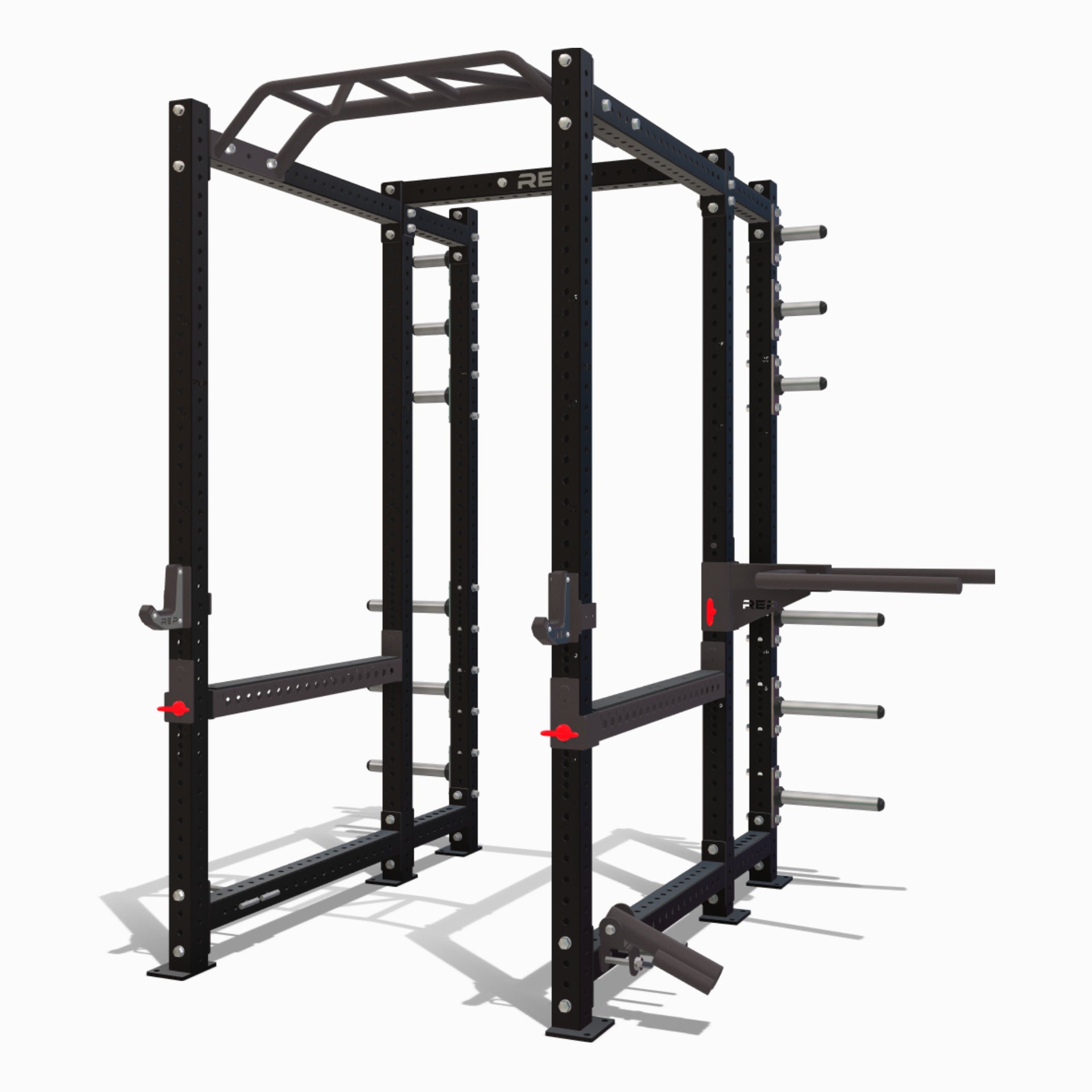
Many home gym owners face the same choice: a functional trainer or a power rack? The honest answer depends on how you train. A power rack is the better first purchase if heavy barbell squats, bench presses and deadlifts are the core of your program — no cable machine reproduces a loaded barbell. A functional trainer is the better first purchase if you want the widest variety of exercises from a single machine, train alone and value the safety of selectorized weights, or focus on physique, athletic and rehabilitation-style work where adjustable cable angles matter most.
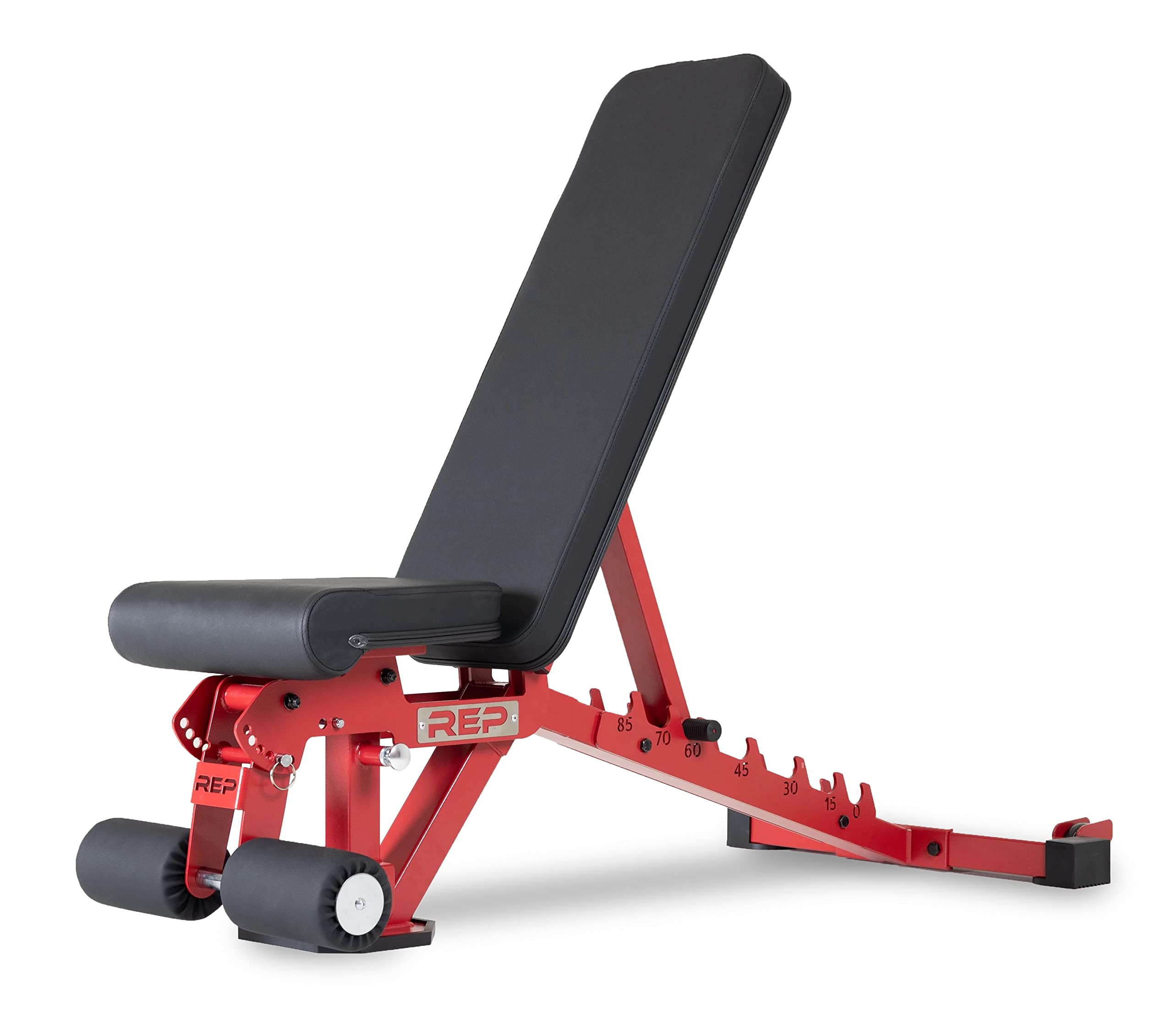
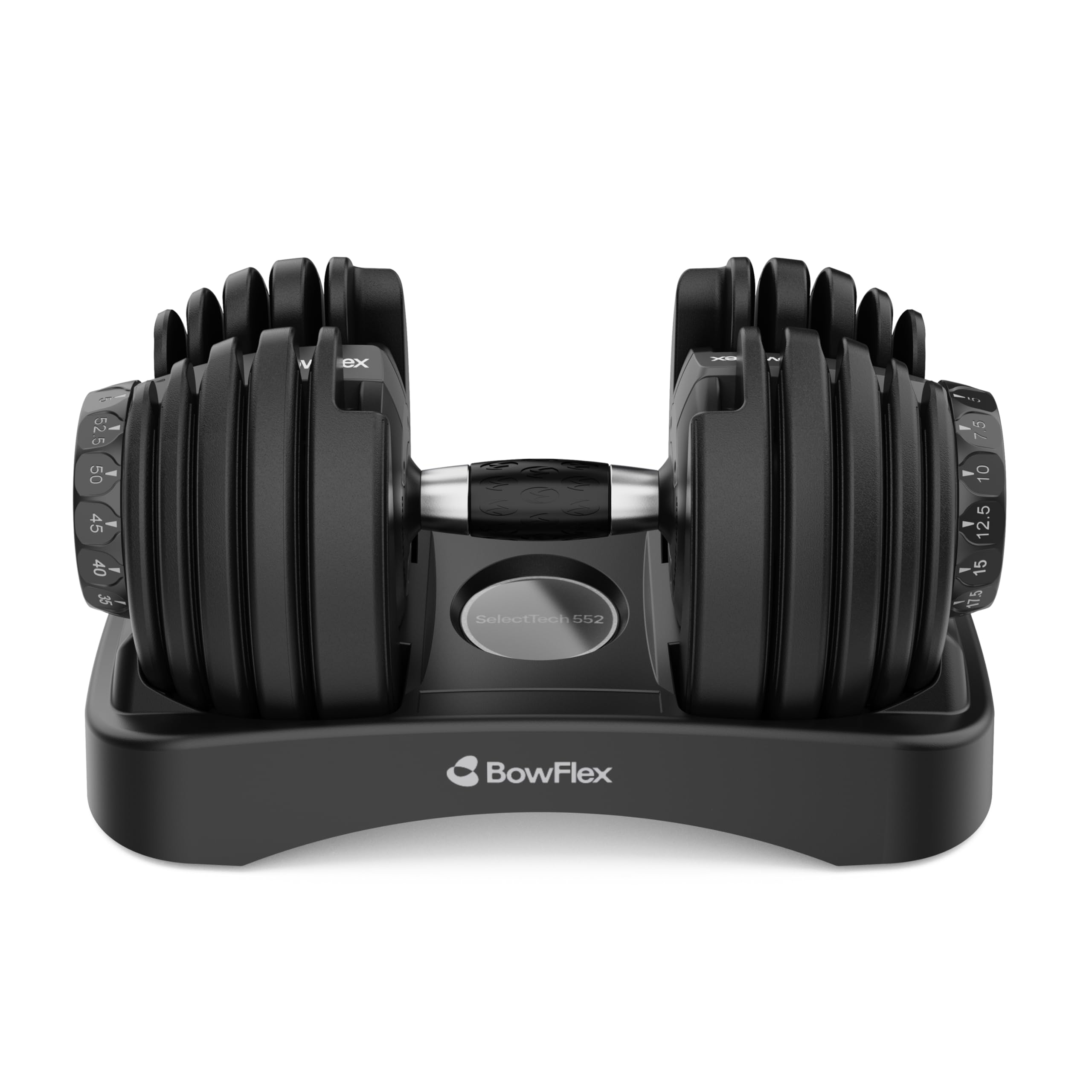
There is also a middle path. A functional trainer pairs naturally with a rack and a set of adjustable dumbbells: the rack handles heavy barbell work, the trainer covers cables and isolation, and the dumbbells fill the gaps. If you can only afford one large piece this year, choose based on the exercises you actually do every week, not the ones you aspire to. And if you truly want both in one footprint, the Force USA G20 Pro above is the all-in-one answer — at all-in-one prices. Whichever route you take, pair the machine with a solid adjustable weight bench, since most cable presses, rows and flyes are done seated or lying down.
Weight stacks and pulley ratio. Start here. Add the two stack weights together, then halve the total if the ratio is 2:1 — that is the maximum resistance you will feel at each handle. For most lifters, dual 165 to 224 lb stacks (about 82 to 112 lb per side) cover everything except heavy rows and pulldowns. If you are strong or still progressing fast, look for dual 224 lb stacks or heavier, or a plate-loaded system with no ceiling.
Footprint and ceiling height. Measure twice. Dedicated dual-stack trainers run about 5 to 6 feet wide and 3 to 4 feet deep, and all-in-one systems are bigger still. Leave 2 to 3 feet of clear space on the working sides for cable movements, and check the height: most models stand 82 to 91 inches tall, and pull-up bars need clearance above them. A machine that cannot fit through your door or under your ceiling is an expensive return.
Frame and build quality. Look for 11-gauge steel on the main frame, smooth-bearing pulleys rather than plastic bushings, and aircraft-grade or similarly rated cables. Machine weight is a useful proxy for solidity — the picks in this guide range from about 544 lb to more than 1,500 lb shipped. A lifetime frame warranty is a good sign; two-year parts-only coverage is not.
Pulley positions and accessories. More height positions mean more exercise angles: the machines here offer 21 to 30. Count what is included — handles, ropes, bars and storage — and price anything missing, especially a bench, which is often sold separately. Check whether the weight stacks can be upgraded later; on some models they cannot.
Assembly and delivery. Functional trainers ship in multiple heavy boxes and take two to eight hours to assemble with two people. Confirm whether the price includes delivery and whether the seller offers assembly, and build the machine in its final position — moving an 875 lb trainer across a garage is not a one-person job.
Most quality selectorized functional trainers for home gyms cost between $1,900 and $2,600, with premium all-in-one systems like the Force USA G20 Pro reaching around $6,000. Budget plate-loaded systems such as the Marcy MD-9010G start near $1,300, but weight plates are sold separately, so factor that cost in before comparing prices.
A 2:1 pulley ratio means the cable moves twice as far as the weight stack rises, so the resistance you feel at the handle is half the selected stack weight. On a machine with dual 224 lb stacks, that gives a maximum of about 112 lb of resistance per side. The trade-off is a longer, smoother cable travel, which suits most isolation and functional movements.
A dedicated dual-stack functional trainer typically needs about 5 to 6 feet of width and 3 to 4 feet of depth, plus 2 to 3 feet of clear space around it for cable movements, so plan on at least a 10 by 10 foot area. Larger all-in-one systems need more room, so always check the manufacturer's footprint before ordering. Most models stand 82 to 91 inches tall, so confirm your ceiling height, especially if you plan to use the pull-up bar.
For many people, yes. A dual-stack functional trainer covers pressing, rowing, pulldowns, flyes, curls, extensions and rotational core work, and most models include a pull-up bar. It cannot fully replace heavy barbell squats and deadlifts, which is why some buyers pair it with a power rack or choose an all-in-one system like the Force USA G20 Pro that includes a Smith machine and rack.
After comparing specifications, footprints and prices across the category, the REP Fitness FT-5000 2.0 is our pick for the best functional trainer for most home gyms: dual 224 lb stacks, 21 pulley positions, 86 inches of cable travel and a commercial-grade 11-gauge frame for around $2,499. If space is tight, the Inspire FTX delivers genuine dual-cable training in a 54 by 40 inch footprint for $2,099. If you want one machine to replace the whole gym, the Force USA G20 Pro justifies its $5,999 price with a Smith machine, power rack and the heaviest stacks in this guide. And if your budget is the deciding factor and you already own plates, the Marcy MD-9010G packs a Smith machine, cables and bench into one $1,300 package. Whichever you choose, measure your space, check the ceiling, and buy the stack weight you will need in two years — not just the one you need today.
Home Fitness · Strength
The best power rack for home gym in 2026: Rogue R-3, Titan T-3 and REP PR-4000 compared on steel gauge, weight capacity, footprint and price.
Read ReviewHome Fitness · Strength
The best adjustable weight bench for 2026: REP AB-3000 2.0, Rogue 3.0 and Flybird compared on capacity, angles, pad gap and price.
Read ReviewHome Fitness · Dumbbells
One set replaces a whole rack. We compared weight range, change speed, durability and price — including the Bowflex recall you need to know about.
Read Review