Sleep & Mattresses · Mattresses
Best Mattress for Side Sleepers (2026) — Top Picks
Looking for the best mattress for side sleepers? We compared pressure relief, support & cooling across top picks to find the best beds for 2026.
Read Review
| Product | Best For | Key Feature | Price Range | |
|---|---|---|---|---|
| Saatva Classic | Best hybrid overall | Dual-coil innerspring hybrid, Euro pillow top | $1,200–$2,100 | Check Price on Amazon |
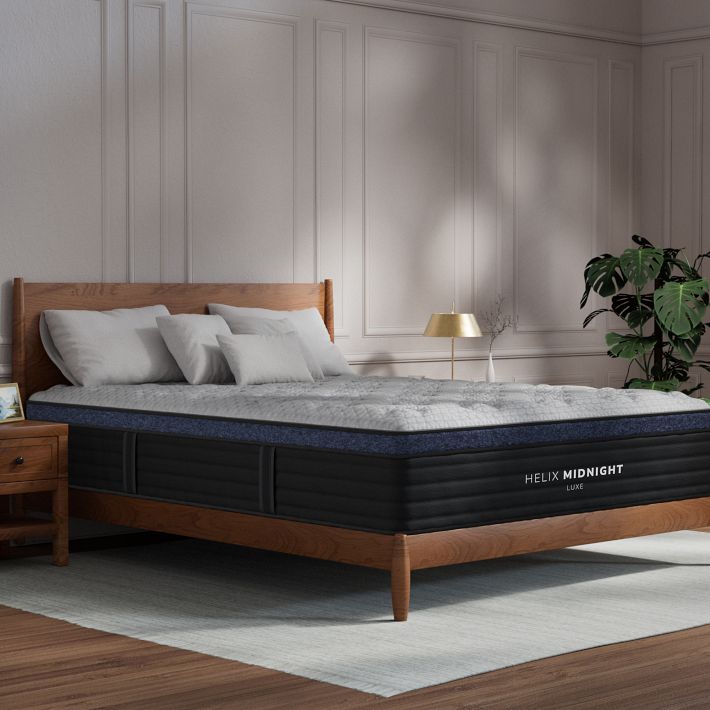 Helix Midnight Luxe | Best hybrid for side sleepers | Zoned lumbar support, optional cooling cover | $1,300–$2,600 | Check Price on Amazon |
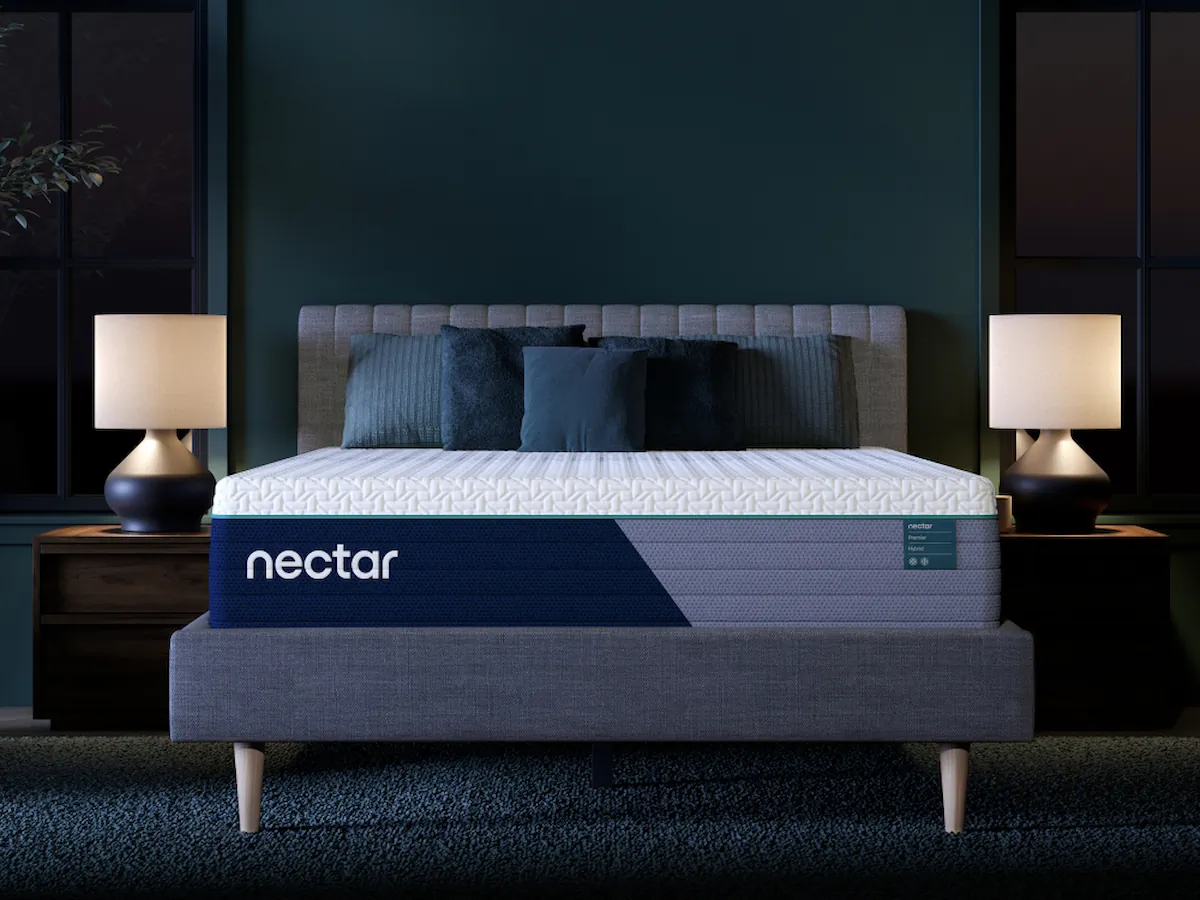 Nectar Premier | Best memory foam value | 13-inch memory foam, medium-firm feel | $700–$1,500 | Check Price on Amazon |
 Tempur-Pedic ProAdapt | Best premium memory foam | TEMPUR material, deep pressure relief | $2,000–$4,200 | Check Price on Amazon |
Prices are ranges at time of writing and change frequently — check Amazon for the current price.
A hybrid mattress stacks comfort foam on top of a coil support core — usually individually wrapped pocketed coils. The foam layers cushion your shoulders and hips, while the coils push back, keep the surface responsive, and let air circulate through the bed. That construction is why hybrids feel like a middle ground: more contouring than an old-fashioned innerspring, more bounce and airflow than a slab of foam. The Saatva Classic is the classic example — a dual-coil innerspring hybrid with a Euro pillow top — while the Helix Midnight Luxe pairs pocketed coils with memory foam and a zoned lumbar layer designed for side sleepers. If you are comparing construction types, our best mattress for side sleepers guide shows how hybrids handle pressure points in practice.
Memory foam works differently. It is a dense viscoelastic foam that softens with body heat and slowly moulds to your shape, spreading weight over a wider area and cutting pressure at the shoulders and hips. There are no coils, so movement on one side barely reaches the other — the reason foam is the default recommendation for light sleepers with restless partners. The trade-off is that sinking-in feeling: some sleepers love the cradling hug, others feel stuck when they roll over. The Nectar Premier is a 13-inch all-foam design with a cooling cover and a medium-firm feel, while the Tempur-Pedic ProAdapt uses the original TEMPUR material for the deepest, slowest contouring in the category.
Cooling is the clearest gap. A hybrid's coil layer is mostly empty space, so warm air escapes and fresh air moves in with every movement. Foam, by contrast, is a solid block that holds heat against your body. Cooling covers, gel infusions and breathable foams narrow the difference — Nectar's cooling fibres and Helix's optional GlacioTex cover both help — but if you wake up sweating, a hybrid is still the safer bet. Edge support follows the same pattern: coils reinforce the perimeter, so you can sit or sleep near the edge of a hybrid without sliding off, while foam edges compress more under weight.
Motion isolation runs the other way. Memory foam absorbs movement at the source, so a partner getting up at 3 a.m. barely registers. Hybrids have improved a lot — individually wrapped coils move independently, unlike old connected springs — but a foam bed still wins this test. Durability is close: a quality mattress of either type typically lasts around 7 to 10 years, though hybrids often hold their shape a little longer because the coil base resists body impressions. Price favours foam at the budget end, while premium foam flips the script — the Tempur-Pedic ProAdapt costs roughly double a comparable hybrid.
Pick a hybrid if you sleep hot, switch positions through the night, sleep on your stomach or back, or share a bed with someone much heavier or lighter than you — the responsive surface adapts faster when weight shifts. The Saatva Classic suits back and stomach sleepers who want a traditional, supportive feel, and the Helix Midnight Luxe is built for side sleepers, with zoned support under the lower back and a plush pillow top for shoulders. Couples who argue about firmness should also look at hybrids, since the bounce and edge support make the whole surface usable — our best mattress for couples thinking applies here too: two people need a bed that works for both, not just one.
Pick memory foam if you are a side sleeper who wants maximum pressure relief, a light sleeper whose partner tosses and turns, or someone with joint pain who needs the mattress to cradle rather than push back. The Nectar Premier is the sensible starting point — medium-firm, CertiPUR-US certified foams, fibreglass-free, with a 365-night trial and a Forever Warranty — and it costs a fraction of the premium options. The Tempur-Pedic ProAdapt is the upgrade for sleepers who want the deepest contouring and are willing to pay for it. One caution: if you have back pain, neither type is a cure — check our best mattress for back pain guide, and talk to a doctor if pain persists.
Neither type is better for everyone. Hybrids combine coils with foam, so they usually sleep cooler, feel more responsive and offer stronger edge support. All-foam mattresses contour more closely and isolate motion better. Side sleepers who run hot often prefer hybrids, while couples bothered by movement often prefer memory foam.
Usually, yes. The coil layer in a hybrid lets air move through the mattress, while dense memory foam traps more body heat. Cooling covers and gel-infused foams narrow the gap, and hot sleepers can also choose a hybrid with a dedicated cooling cover, such as the Helix Midnight Luxe with GlacioTex.
Both can work. What matters most is medium-firm support that keeps the spine aligned. Hybrids with zoned lumbar support, like the Helix Midnight Luxe, suit many back-pain sufferers, while the Nectar Premier is endorsed by the American Chiropractic Association. Try the mattress during its sleep trial and return it if your back disagrees.
A quality mattress of either type typically lasts around 7 to 10 years with normal use. Hybrids often hold their shape slightly longer because the coil base resists sagging, while all-foam beds can soften over time. Long warranties help: Saatva, Helix and Nectar all back their mattresses with lifetime or Forever warranties.
For most people, a hybrid is the safer first choice: it sleeps cooler, moves with you, and suits more sleep positions — and the Saatva Classic is the hybrid to beat. But if you share a bed with a restless partner or want the deepest pressure relief, memory foam wins, and the Nectar Premier delivers it at a fair price. Whichever type you choose, buy from a brand with a full-year trial and use it — the only test that matters is a month of your own sleep.
Sleep & Mattresses · Mattresses
Looking for the best mattress for side sleepers? We compared pressure relief, support & cooling across top picks to find the best beds for 2026.
Read ReviewSleep & Mattresses · Mattresses
The best mattress for back pain in 2026: we compared firmness, lumbar support and pressure relief across top hybrids to help you wake up pain-free.
Read ReviewSleep & Mattresses · Mattresses
Looking for the best mattress in a box under $1000? We compared comfort, support, trials & Black Friday deals to find the top budget picks for 2026.
Read Review