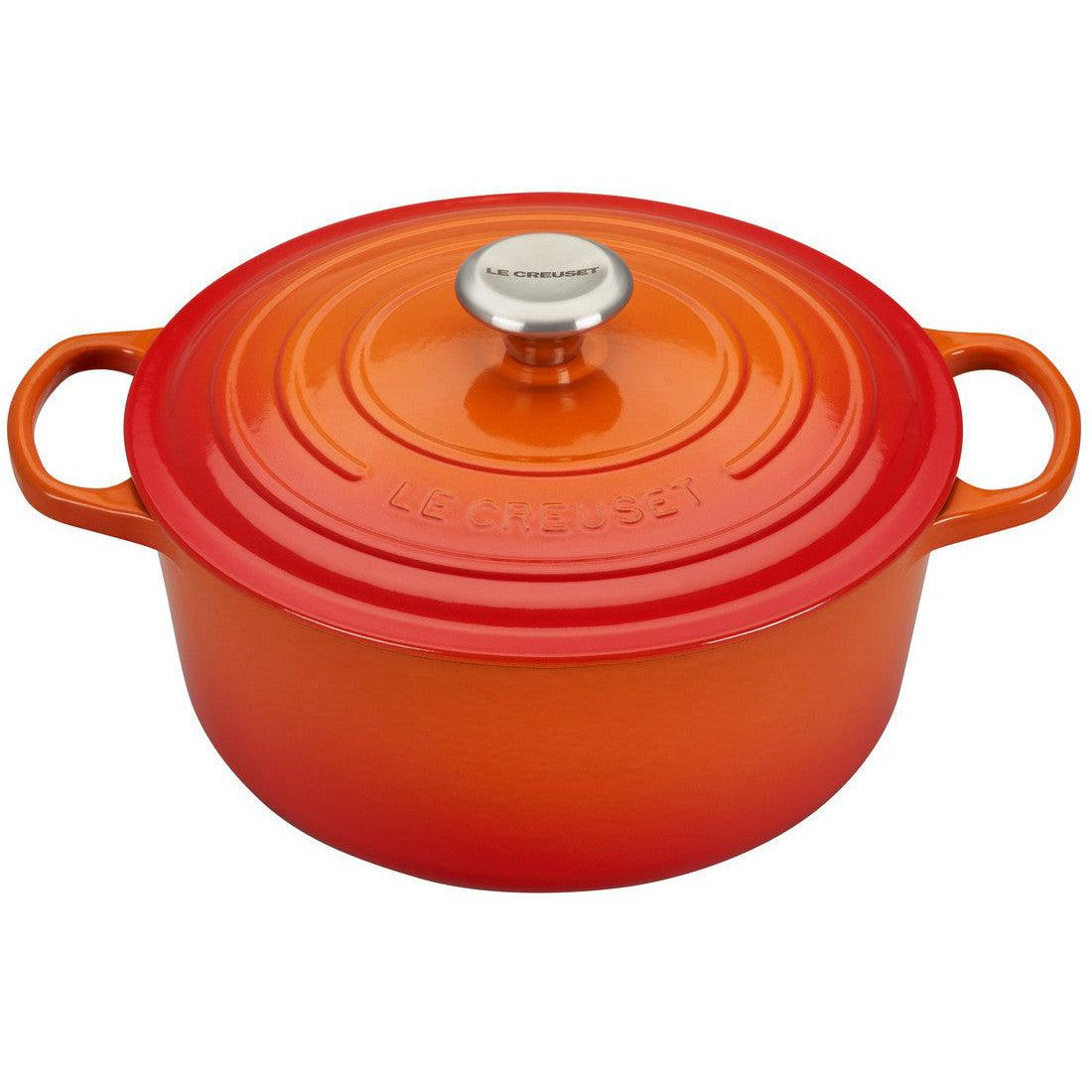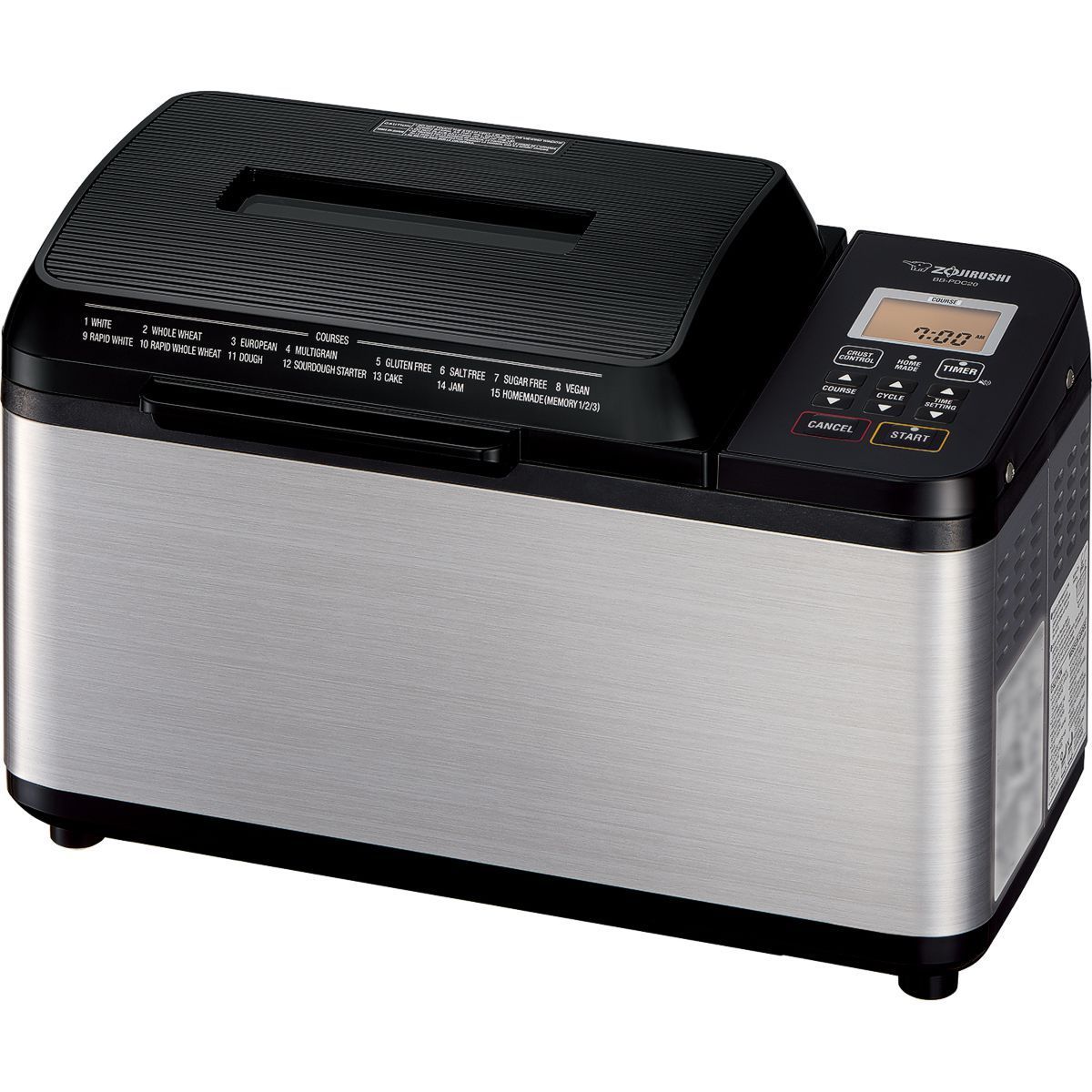
Kitchen · Baking
Best Bread Maker Machine (2026) — Top Picks
Best bread maker machine 2026: Zojirushi Virtuoso Plus, Breville Custom Loaf and Cuisinart CBK-110 compared on loaf quality, settings and value.
Read Review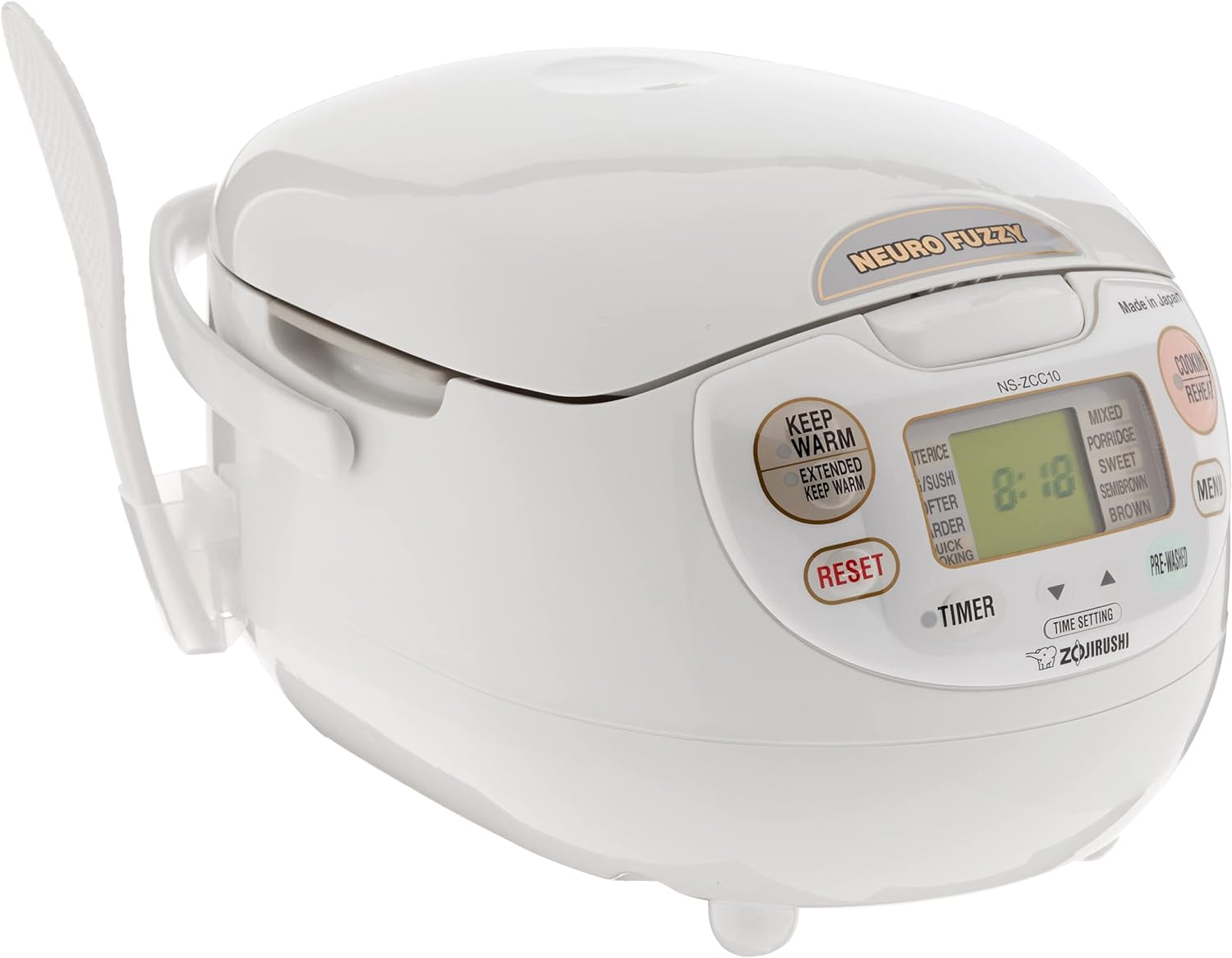
| Product | Best For | Key Feature | Price Range | |
|---|---|---|---|---|
| Zojirushi Neuro Fuzzy NS-ZCC10 | Best overall for families | Neuro Fuzzy logic, spherical pan, extended keep warm | $150–$250 | Check Price on Amazon |
 Cuckoo CRP-HS0657F | Largest capacity, pressure cooking | Induction heating pressure, 16 menu modes | $200–$300 | Check Price on Amazon |
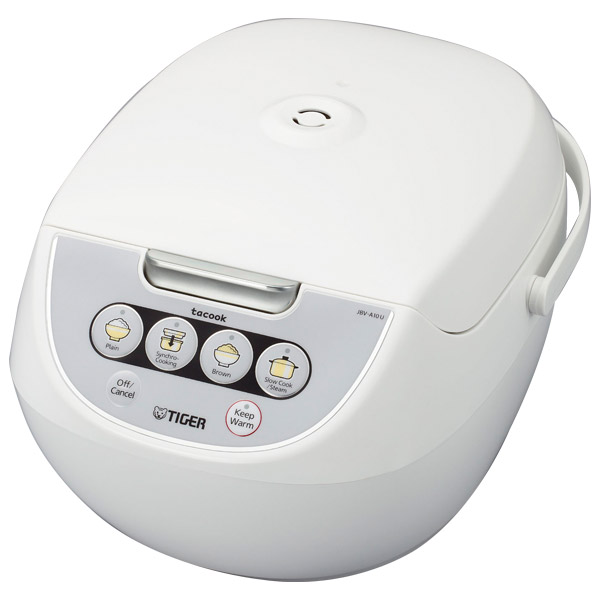 Tiger JBV-A10U | Best value, two dishes at once | Tacook synchronized cooking tray | $100–$150 | Check Price on Amazon |
 Zojirushi NS-TSC10 | Best budget Micom option | Micom fuzzy logic, steam basket, cake menu | $130–$200 | Check Price on Amazon |
Capacity is the first decision when choosing the best rice cooker for families, and it is also the easiest to get wrong, because rice cooker capacities are stated in uncooked cups measured with the small cup that comes in the box — about 180 ml, not a standard US cup. As a rough rule, one cup of uncooked rice makes about two cups cooked, and one cup of cooked rice is a generous serving for one adult. That means a 5.5-cup uncooked cooker makes roughly 10 cups of cooked rice, or about five adult servings, while a 6-cup uncooked cooker makes roughly 12 cups cooked, or about six servings.
For a family of four, a 5.5-cup uncooked model is the sweet spot our research points to again and again: it covers dinner with enough left over for a lunchbox the next day, without the bulk of a 10-cup cooker that takes up half a countertop and cooks small batches less evenly. Families of five or six, or anyone who batch-cooks rice for the week, should step up to the 6-cup Cuckoo CRP-HS0657F, the largest capacity in this guide. Going bigger than you need has a real cost beyond counter space: manufacturers set minimum amounts for several menu settings, so a very large cooker can struggle with a single cup of rice for one person.
Capacity also interacts with keep-warm time, which matters more for families than for single cooks. School runs, late meetings and second helpings mean rice often sits for an hour or two before everyone has eaten. Every cooker in this guide switches to keep-warm automatically when cooking finishes, and the Tiger and both Zojirushi models hold rice warm for up to 12 hours. The Zojirushi models add an extended keep-warm mode that holds rice at a slightly lower temperature to reduce drying and yellowing over long holds. Manufacturer guidance is worth following here: stir and loosen the rice as soon as cooking finishes to release excess moisture, gather small amounts toward the centre of the pan so the edges do not dry out, and do not leave mixed rice or rice with added ingredients on keep-warm.
A basic rice cooker is a simple machine: a heating element under the pan, a thermostat, and a switch. It heats at full power until the temperature in the pan rises above boiling point — which only happens once the free water has been absorbed or boiled away — and then it clicks off and switches to keep-warm. That design cooks plain white rice acceptably, but it cannot tell brown rice from sushi rice, a full pot from a half pot, or cold tap water from warm water, so results vary from batch to batch.
Fuzzy logic, usually sold under the names Micom or Neuro Fuzzy, replaces that fixed behaviour with a microcomputer and a temperature sensor. Zojirushi describes the idea plainly in its own product material: the microcomputer fine-tunes heating to adapt to different rice types, which all have different cooking requirements, and the trigger for everything is a thermal sensor at the bottom of the cooker body. In practice the cooking cycle runs through distinct phases — soaking the grains, bringing the water to a boil, steaming, and a final resting period — and the chip adjusts time and temperature through each phase based on what the sensor reports. The Neuro Fuzzy system in the NS-ZCC10 goes a step further than basic Micom by storing what it learns across cooks and making finer adjustments, which is why Zojirushi says the cooker can think for itself and make fine adjustments to temperature and heating time.
Heating method is the second half of the story. Most family cookers, including both Zojirushi models here and the Tiger, use direct heating: an element under the pan, sometimes with extra heat from the sides or lid. The Cuckoo CRP-HS0657F instead uses induction heating, where the inner pot itself generates heat, combined with pressure cooking — the lid locks and pressure builds inside, which raises the cooking temperature and can shorten cooking times. The manufacturer states that rich, flavourful rice can be ready in as fast as 20 minutes on some settings. Pressure and induction add cost and complexity, including a locking lid and a steam-release step, so they suit families who cook rice almost daily and want the fastest, most versatile machine. For everyone else, a well-designed direct-heating fuzzy-logic cooker is the better value, and it is noticeably simpler to clean and to explain to a teenager making dinner.
One practical note from the manufacturers applies to every model in this guide: always measure with the cup that comes in the box, and use the water-level lines inside the pan. The pan markings assume that 180 ml cup, so a standard kitchen measuring cup throws the water ratio off and is the most common cause of rice that is too hard or too soft. Rinsing also matters more than most families expect — the manuals recommend rinsing white rice until the water runs clear, washing by stirring by hand, and completing the wash within about ten minutes.
The NS-ZCC10 is the long-running benchmark of this category, and our research keeps returning to the same reasons. It cooks 5.5 cups uncooked (1.0 litre), or about 10 cups cooked, using Neuro Fuzzy logic in a thick spherical nonstick pan that the manufacturer says heats evenly. The menu list is the widest here for a non-pressure cooker: white rice in regular, sushi, softer and harder textures, plus mixed, porridge, sweet, semi-brown, brown, rinse-free and quick cooking. At 680 watts on 120 volts it is a standard US kitchen appliance, and it is made in Japan with a one-year limited warranty. The two-setting delay timer, the LCD clock, the retractable cord and the detachable, washable inner lid are all small details that matter when a cooker is used four or five nights a week.
What sets it apart for families is the keep-warm system: automatic keep-warm, an extended keep-warm mode and a reheat cycle, so rice cooked at 5 pm still serves well when the last person gets home. Buyers report consistently fluffy white and sushi rice across batches, which is exactly what fuzzy logic is supposed to deliver. The trade-offs are honest ones: it sits in the premium price range for a 5.5-cup cooker, there is no steaming basket included, and brown rice takes well over an hour, so it needs to be started early. If your family eats mostly white, sushi or jasmine rice and you want to buy once and stop thinking about it, this is our top pick.
The Cuckoo CRP-HS0657F is the only pressure cooker in this guide and the only 6-cup model, making about 12 cups of cooked rice — the right choice for families of five or six, or for anyone who cooks for gatherings. It combines induction heating with pressure cooking and a smart cooking algorithm that adjusts parameters automatically, and the manufacturer lists 16 menu modes covering white (glutinous) rice, sushi rice, mixed rice, brown rice, GABA rice, nu rung ji, porridge, steam and multi-cook. The inner pot is 304 food-grade stainless steel with a nonstick black coating, and the cooker includes a steam plate, a rice spatula and a measuring cup. An auto-clean function uses steam to clean the interior, and the lid has an automatic soft steam release.
There are two things to know before buying. First, the voice guide speaks Korean by default, which some households find charming and others find confusing — check the manual for language options on your specific unit. Second, this is a heavier, more complex machine than the others here, with a locking lid and a pressure cycle to learn. For a family that cooks rice daily and wants pressure-cooked grains, GABA rice and the biggest batches, those are fair trade-offs; for a family that wants the simplest possible weeknight cooker, the Zojirushi models are easier to live with.
The Tiger JBV-A10U is the cleverest cooker in this guide, and the cheapest. Its signature feature is tacook synchronized cooking: a BPA-free cooking plate sits above the rice and cooks a main dish — vegetables, fish or chicken — in the same cycle, without the flavours affecting each other. For a busy family, that turns the rice cooker into a one-button dinner machine rather than a single-purpose appliance. It is a 5.5-cup (1.0 litre) Micom cooker rated at 672 watts, with four settings — plain rice, brown rice, slow cooking and synchro-cooking — a scratch-resistant fluorine-coated aluminium inner pot, and automatic keep-warm for up to 12 hours. Tiger lists its size at about 10.6 by 13.9 by 8.4 inches and its weight at about 5.7 lb, and it ships with the tacook plate, a spatula, a measuring cup and a recipe cookbook.
The compromise is menu depth: four settings instead of the eight to sixteen on the other cookers here, and no delay timer is listed for this model, so it cannot be set in the morning to finish at dinnertime. But for the price range, it is hard to beat if your goal is getting a full family meal on the table with the least effort. It pairs naturally with a good food processor for home prep — chop the vegetables for the tacook tray in seconds, and dinner largely cooks itself.
The NS-TSC10 is the value pick in Zojirushi's own range: the same 5.5-cup (1.0 litre) capacity as the NS-ZCC10, with microcomputerized fuzzy logic, for a lower price range. Its eight menu settings cover white/sushi, mixed, porridge, sweet, brown, cake, steam and quick cooking, and the box includes a BPA-free steaming basket, a rice measuring cup, a nonstick rice spatula and a spatula holder — so unlike the NS-ZCC10, it can steam vegetables or dumplings while the rice cooks. It runs at 610 watts, has an LCD control panel with clock and delay timer, automatic and extended keep-warm modes plus a reheat function, a retractable cord and a detachable inner lid. The manual lists white rice at about 45 minutes to an hour, quick cooking at about 29 to 40 minutes, and brown rice at about 1 hour 25 minutes to 1 hour 50 minutes.
Compared with the NS-ZCC10, you give up the Neuro Fuzzy logic, the softer and harder texture settings, the spherical pan and some of the fine adjustment — the NS-TSC10 is Micom rather than Neuro Fuzzy, and its heating is direct rather than built around the spherical pan. For many families that difference will not matter day to day, and the steaming basket and cake menu arguably make it the more versatile machine. Note that a newer variant, the NS-TSC10A, has a different menu set including long-grain white, steel-cut oatmeal and quinoa, so check the exact model suffix on the listing before you buy. If you bake as well as cook rice, our best bread maker machine guide covers the other countertop staple that pairs well with a family rice cooker.
Start with capacity, and be honest about how your family actually eats. A 5.5-cup uncooked cooker suits most families of three to five; step up to 6 cups uncooked if you regularly feed six or batch-cook. Next, decide how much technology you want to pay for. Fuzzy logic and Micom are worth the premium if rice is on your table several times a week, because consistency across rice types is where they earn their keep. If rice is an occasional side dish, a simpler cooker and a lower price range make more sense, and the money saved buys a better Dutch oven for bread or another staple instead.
Then check the details that decide whether you enjoy using the cooker every day. Look for a keep-warm mode that fits your schedule — 12 hours covers any family dinner, and an extended mode helps on slow evenings. Check the menu list against the grains you actually cook: brown rice, sushi rice, porridge and steaming all need their own settings, and a cake menu is a bonus, not a reason to choose a cooker. Measure your counter before ordering, because family cookers are deep — the Tiger, for example, is nearly 14 inches deep — and check whether the inner lid detaches for washing, whether the pan is nonstick or stainless, and whether spare inner pans are available, since the nonstick coating is the part that wears out first. Finally, confirm the warranty: all four cookers in this guide carry a one-year limited warranty, and buying from an authorized seller keeps that warranty valid.
For a family of four, a 5.5-cup (uncooked) rice cooker is the sweet spot. It makes about 10 cups of cooked rice, which covers dinner with leftovers for lunch the next day. A 6-cup uncooked model, which makes about 12 cups cooked, is a better fit if you regularly cook for five or six people or batch-cook for the week.
For families who cook rice several times a week, fuzzy logic is worth the extra cost. A microcomputer monitors temperature during the cycle and adjusts cooking time and heat for the rice type and quantity, which produces more consistent results than a basic one-switch cooker, especially for brown rice, sushi rice and porridge.
Most family-size cookers switch to keep-warm automatically after cooking. The models in this guide keep rice warm for up to 12 hours, and the Zojirushi models add an extended keep-warm mode that holds rice at a slightly lower temperature to reduce drying and yellowing. Manufacturer guidance recommends stirring the rice and not leaving mixed rice or rice with added ingredients on keep-warm.
Yes. Most of the cookers in this guide have dedicated settings beyond white rice, including porridge, steaming, slow cooking and, on the Zojirushi NS-TSC10, a cake menu. The Tiger JBV-A10U goes further with a tacook tray that cooks a main dish above the rice in the same cycle, and the Cuckoo CRP-HS0657F adds pressure cooking and a multi-cook mode.
After comparing capacities, heating systems, menus and keep-warm features across the four cookers, our research points to the Zojirushi Neuro Fuzzy NS-ZCC10 as the best rice cooker for families for most households: the right 5.5-cup size, the most refined fuzzy-logic cooking, texture settings the whole family can agree on, and a keep-warm system built for real dinnertimes. Choose the Cuckoo CRP-HS0657F if you feed five or six and want pressure cooking and the biggest batches, the Tiger JBV-A10U if you want the best value and a second dish cooked at the same time, or the Zojirushi NS-TSC10 if you want Zojirushi quality and a steaming basket at a lower price. Whichever you choose, measure with the cup in the box, use the pan's water lines, and stir the rice as soon as it finishes — those three habits matter more than any single feature.
Kitchen · Baking
Best bread maker machine 2026: Zojirushi Virtuoso Plus, Breville Custom Loaf and Cuisinart CBK-110 compared on loaf quality, settings and value.
Read ReviewKitchen · Baking
Best Dutch oven for bread baking 2026: Le Creuset Signature, Staub Cocotte and Lodge 6-Qt compared on steam, size, oven rating and value.
Read ReviewKitchen · Prep
Chop, slice and knead in seconds. We compared bowl size, motor power, blades and ease of cleaning to pick the best food processor for every kitchen.
Read Review