Kitchen · Espresso
Best Espresso Machine Under $500 (2026)
Barista-level shots without the café price — we compared grinders, temperature control and milk frothing across the best sub-$500 machines.
Read Review
| Product | Best For | Key Feature | Price Range | |
|---|---|---|---|---|
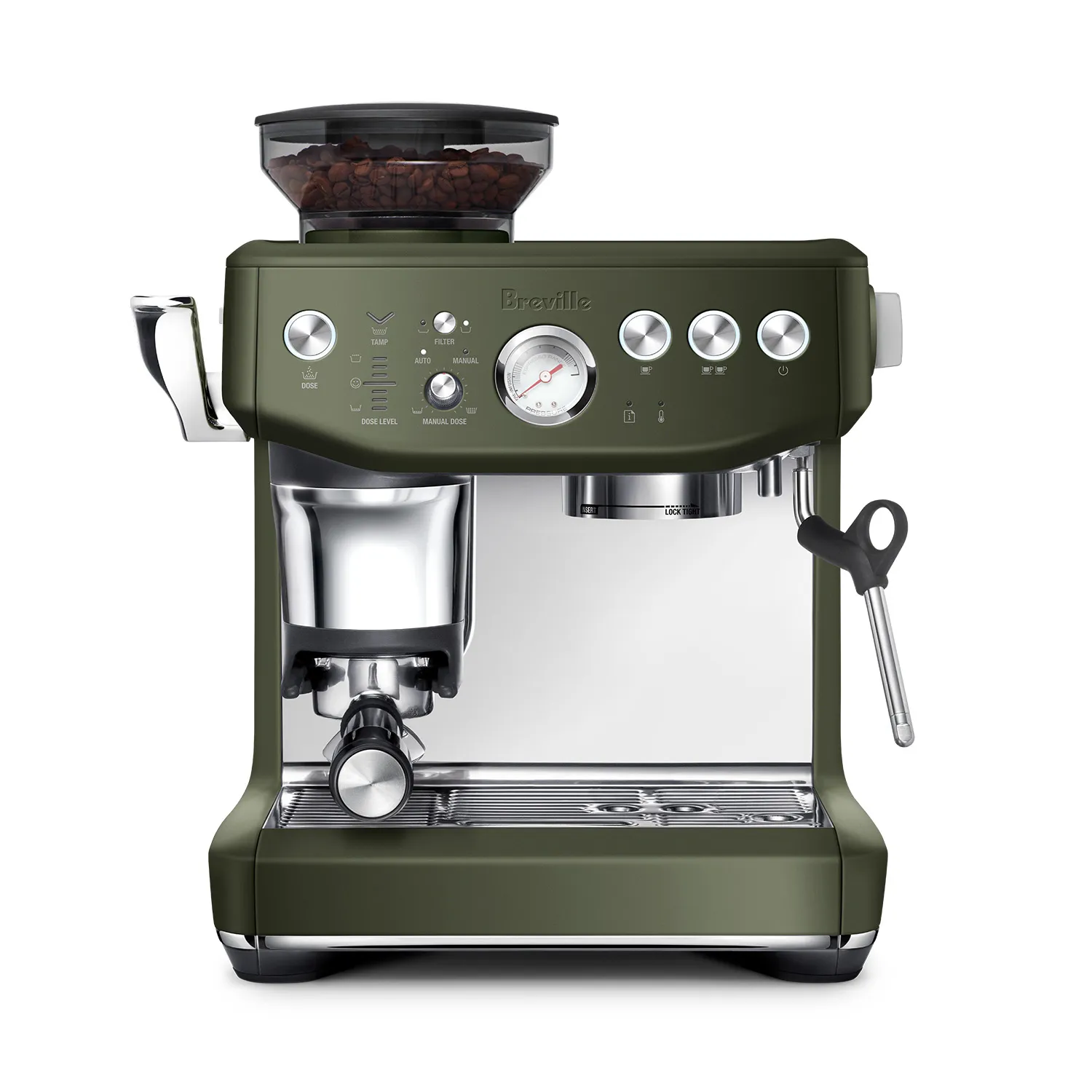
| Breville Bambino | Best overall under $300 | 3-second ThermoJet heat-up, 54mm portafilter | $280–$320 | Check Price on Amazon |
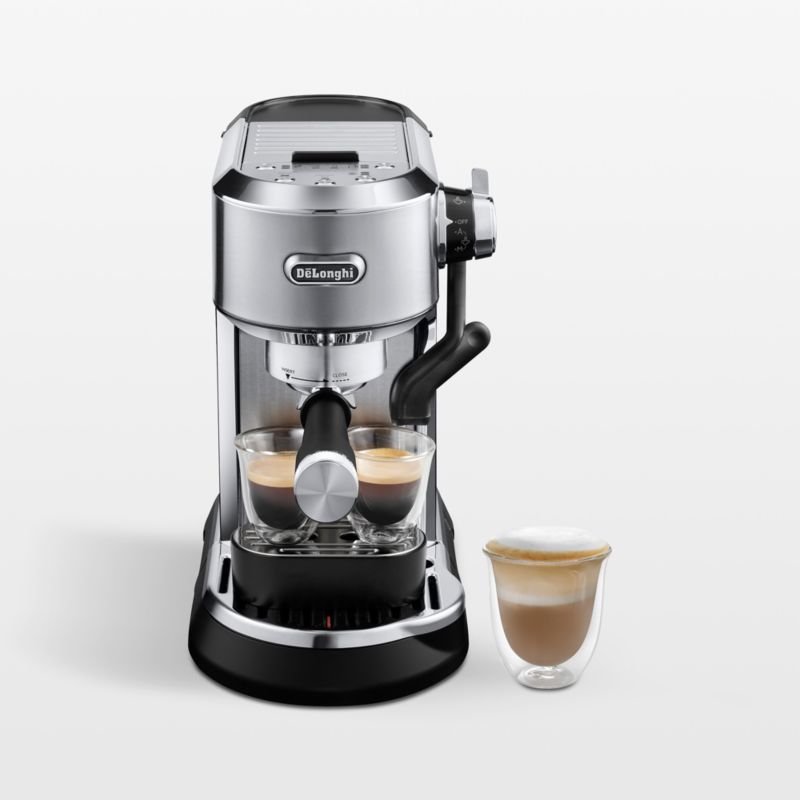 De'Longhi Dedica Maestro Plus | Best slim machine | 6-inch wide, auto milk frother, 15-bar pump | $250–$350 | Check Price on Amazon |
| Best budget pick | 15-bar pump, steam wand, lowest real price | $100–$160 | Check Price on Amazon | |
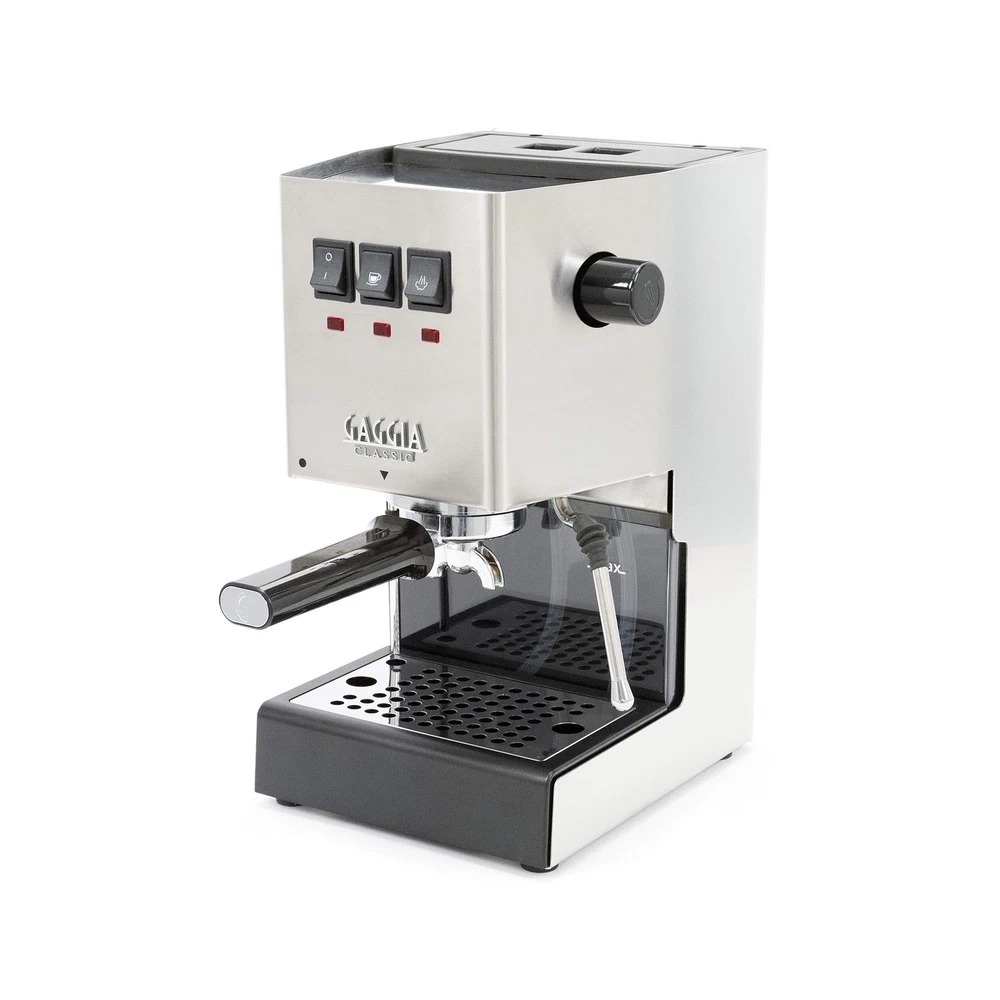 Gaggia Classic Evo Pro | Best to grow into (over budget) | 58mm portafilter, 3-way solenoid, upgradeable | $400–$450 | Check Price on Amazon |
Prices are ranges at time of writing and change frequently — check Amazon for the current price. The Gaggia Classic Evo Pro normally sells above $300; we include it as an honest stretch pick.
We compared manufacturer specifications, aggregated verified buyer feedback, and expert coverage of the late-2026 espresso market, weighting five criteria: shot quality and temperature stability (30%), steam performance (20%), heat-up speed and ease of use (20%), footprint (15%), and value (15%). This is a research-based comparison of specs, verified buyer feedback and expert coverage — not a hands-on test. Machines with repeated reports of leaking, weak pumps or failing steam wands were excluded.
The first thing to understand is that "under $300" is a real boundary in espresso. Below it, machines are mostly pressurized-basket appliances that make coffee-flavoured drinks; above it, you start getting proper temperature control and steam power. The Breville Bambino sits right on the line at about $300 and is the machine most experts name as the best budget pick in 2026, because it borrows the 54mm portafilter and fast ThermoJet heating from Breville's much more expensive machines. The De'Longhi Stilosa, at roughly $100–$150, is the cheapest electric machine we would actually recommend.
Our five picks cover the realistic range. The Bambino is the all-rounder. The Dedica Maestro Plus is the slim option for tiny kitchens, with an automatic milk frother that beginners love. The Stilosa is the budget floor. The Gaggia Classic Evo Pro is the honest stretch pick — it normally costs $400–$450, so it is not under $300 new, but it is the machine to buy if you want a hobby rather than an appliance. And the Chefman CraftBrew rounds out the list as a compact, affordable starter. If you want to step up further, our guide to the best espresso machine under $500 covers the next tier, and our best blender for smoothies guide pairs well with a morning coffee routine.
Shot quality starts with pressure and temperature. Real espresso needs about 9 bars of pressure at the puck, and every machine here advertises a 15-bar pump — but the pump rating is a maximum, not what the coffee actually sees. What matters more is temperature stability: whether the machine holds a steady brew temperature from the first shot to the third. The Bambino's ThermoJet system heats water on demand in about 3 seconds and holds temperature well, which is why it consistently produces the best shots in this group. Thermoblock machines like the Dedica take 35–40 seconds to heat, and the Stilosa about a minute — slower, but fine for one or two morning drinks.
Steam is where budget machines show their limits. A manual steam wand, found on the Bambino, Stilosa and Gaggia, can make proper microfoam for lattes and cappuccinos, but it takes practice and the steam runs out faster than on a big machine. The Dedica Maestro Plus solves this differently with an automatic milk frother: you get consistent foam at the push of a button, at the cost of less control. If you mostly drink straight espresso or Americanos, steam power barely matters. If you drink a milky latte every morning, it is the second most important spec after shot quality.
Portafilter size is the quiet spec that decides your upgrade path. The Bambino uses a 54mm portafilter, the De'Longhi machines use 51mm, and the Gaggia uses a commercial-standard 58mm. Larger portafilters accept a wider range of baskets, tampers and accessories, and 58mm is the standard that most of the espresso world uses. That is a big part of why the Gaggia is the tinkerer's choice: you can add a PID controller, change the pressure valve and swap baskets for years. The Chefman CraftBrew, meanwhile, is a straightforward compact machine with a steam wand and a small footprint, best suited to someone who wants simple espresso and milk drinks without a learning curve — and it usually sells in the $100–$180 range.
Here is the honest truth about budget espresso: the machine is only half the purchase. None of the machines in this guide has a built-in grinder, and the grinder matters at least as much as the machine. Pre-ground coffee goes stale within days of opening, and it is almost impossible to dial in a shot with coffee ground for someone else's machine. A decent entry-level burr grinder costs roughly $130–$200, which means a realistic starter setup is the Stilosa plus a grinder, or the Bambino plus a grinder if your total budget stretches further.
There is one shortcut: pressurized baskets. The Stilosa and Dedica ship with pressurized (dual-wall) baskets that force coffee through a tiny valve, which creates crema even from pre-ground coffee and forgives a coarse or uneven grind. That is why they are genuinely good beginner machines. The Bambino also includes pressurized baskets, but it rewards a proper grinder and non-pressurized baskets more as your skills grow. If you are buying for a Christmas gift, a pressurized-basket machine plus a bag of good beans is the safest present; a non-pressurized setup is a hobby, not a gift.
Black Friday Week is the best time to buy in this category. Espresso machines from Breville and De'Longhi are regularly discounted in late November, and the Bambino in particular often drops below its $300 list price. If you can wait, watch for deals — and remember that a machine bought on sale leaves money for the grinder, which is where the money actually improves your coffee.
Yes. Machines like the Breville Bambino and De'Longhi Stilosa use real 15-bar pumps and proper portafilters, so they can pull genuine espresso. The bigger difference at this price is the grinder: freshly ground beans from a decent burr grinder matter more than the machine itself.
Almost always, yes. None of the machines in this guide has a built-in grinder, and pre-ground coffee goes stale quickly and is hard to dial in. Budget for an entry-level burr grinder, or use a machine with pressurized baskets, which are more forgiving of pre-ground coffee.
The Bambino costs about twice as much and heats up in about 3 seconds with better temperature stability and a stronger steam wand. The Stilosa is the cheapest real espresso machine worth buying, but it is slower to heat and less consistent. Both make real espresso; the Bambino makes it easier.
Yes, if you want a machine to grow into. It normally sells above $300, around $400 to $450, but it has a commercial-style 58mm portafilter, a large boiler and a huge community of upgrade parts. Buy it on sale or refurbished if your budget is strict, and only if you enjoy tinkering.
For most people, the Breville Bambino is the best espresso machine under $300: fast heat-up, proper 54mm portafilter and the best shots in the price range. Choose the De'Longhi Stilosa if your budget is tight and you still need grinder money, the Dedica Maestro Plus if your kitchen is tiny and you want automatic milk frothing, and the Chefman CraftBrew if you want the simplest possible starter. Stretch to the Gaggia Classic Evo Pro only if you want a machine to tinker with for years. Whatever you buy, spend as much thought on the grinder as on the machine — and check prices during Black Friday Week, when this category discounts hardest.
Kitchen · Espresso
Barista-level shots without the café price — we compared grinders, temperature control and milk frothing across the best sub-$500 machines.
Read ReviewKitchen · Prep
Chop, slice and knead in seconds. We compared bowl size, motor power, blades and ease of cleaning to pick the best food processor for every kitchen.
Read ReviewKitchen · Air Fryers
Feed the whole family in one batch. We compared dual-basket capacity, wattage and ease of cleaning to pick the best XL air fryers for families of 4–6.
Read Review
