Sleep · Mattresses
Best Mattress for Side Sleepers (2026)
Side sleepers need pressure relief at the shoulders and hips. We compared the best mattresses for side sleeping — comfort, support and cooling.
Read Review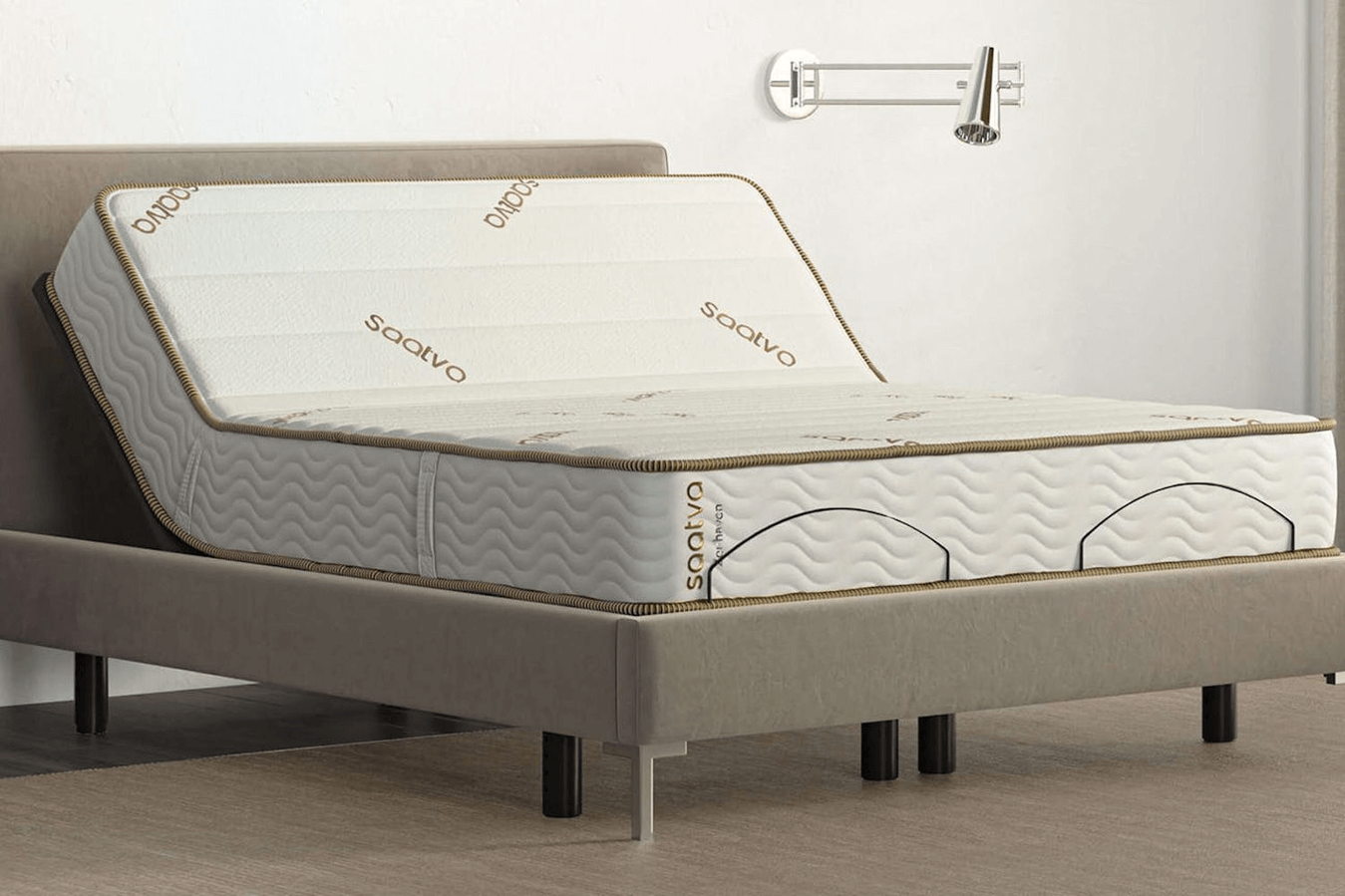
| Product | Best For | Key Feature | Price Range | |
|---|---|---|---|---|
| Saatva Zenhaven | Most sleepers | Flippable all-Talalay latex, two firmness sides | $2,100–$4,150 | Check Price on Amazon |
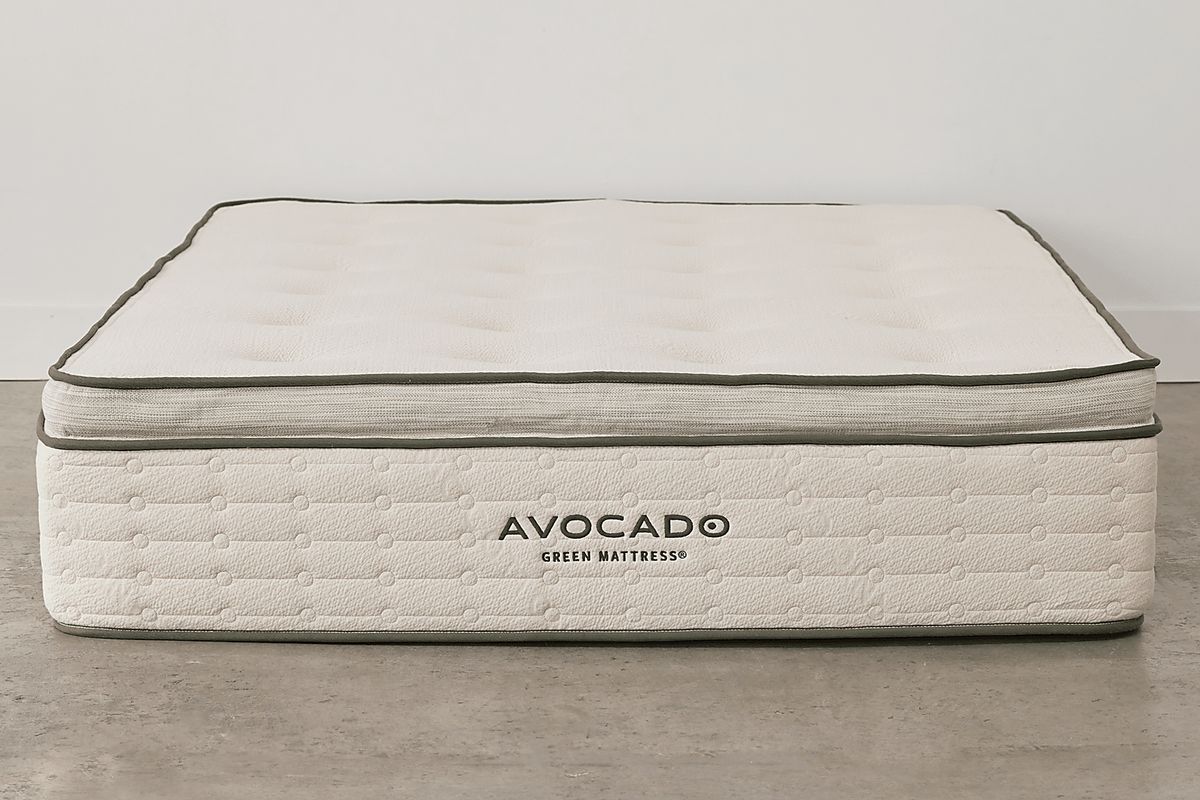 Avocado Green Mattress | Certified organic hybrid | GOLS Dunlop latex over pocketed coils | $1,600–$3,000 | Check Price on Amazon |
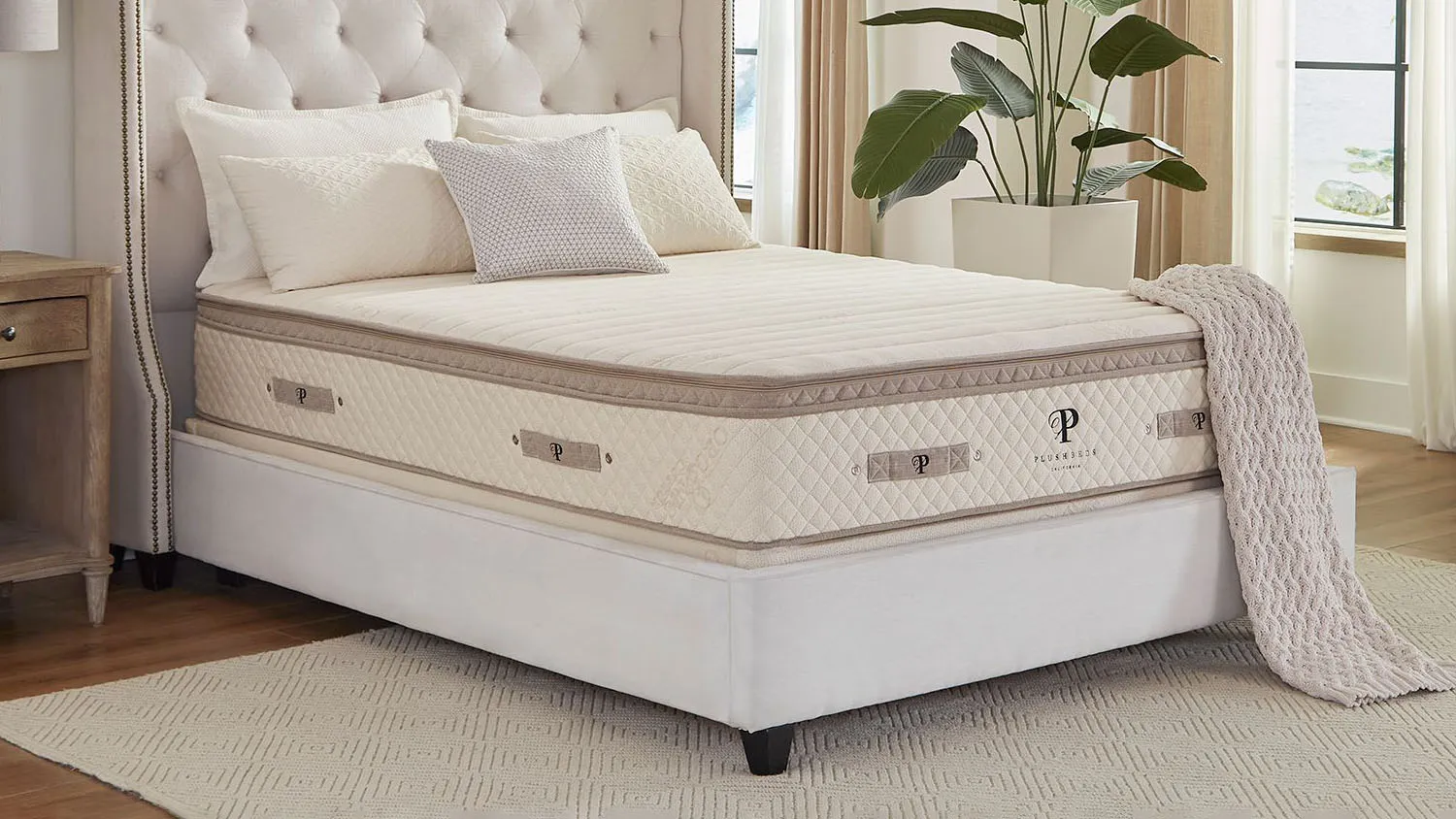 PlushBeds Botanical Bliss | Customizable comfort | Zippered cover, swappable latex layers | $1,350–$2,950 | Check Price on Amazon |
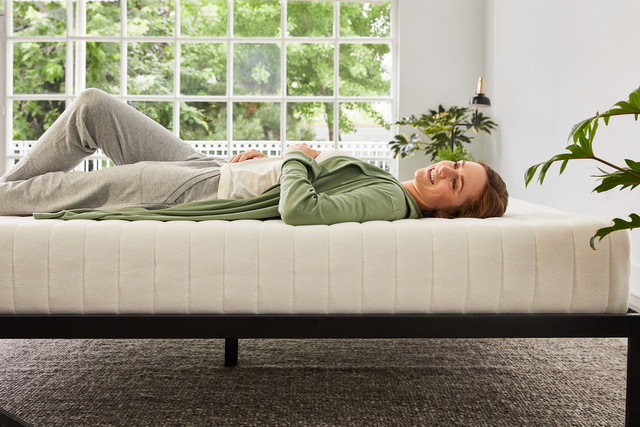 Sleep On Latex Pure Green | Budget buyers | GOLS Dunlop latex at the lowest price here | $700–$1,500 | Check Price on Amazon |
A latex mattress is a bed whose comfort and support layers are made from latex foam — rubber sap harvested from rubber trees and processed into foam — instead of the polyurethane foam or memory foam used in most modern mattresses. The material is naturally springy: press it down and it rebounds immediately, which is why latex beds feel buoyant and responsive rather than slow and contouring. That responsiveness is the defining trait of the category, and it is also why latex suits combination sleepers who change position during the night.
There are two ways to turn latex sap into foam, and the difference matters when you shop. Dunlop latex is poured into a mould and baked in a single pass. The result is a denser, firmer foam that is slightly heavier at the bottom of the layer — manufacturers typically use it in support cores, where steady, durable push-back is what counts. Talalay latex goes through an extra step: the mould is vacuum-sealed and flash-frozen before baking, which produces a lighter, more consistent foam with a softer, bouncier feel. Talalay is usually found in comfort layers, where a plusher surface is wanted.
Neither process is objectively better. Dunlop suits sleepers who want dense, steady support and the best value; Talalay suits sleepers who want a plusher, more responsive surface and are willing to pay for it. Many of the best latex mattresses combine the two — a Talalay comfort layer over a Dunlop core — so you get softness on top and support underneath. The Saatva Zenhaven is unusual in using Talalay throughout, while the Avocado Green and Sleep On Latex Pure Green use Dunlop, and the PlushBeds Botanical Bliss pairs a Talalay comfort layer with a Dunlop support core.
Certifications are the other thing to understand before buying. Genuine natural latex is expensive, and some brands market "latex" beds that contain only a thin latex layer over a polyfoam core, or blended and synthetic latex. The certification to look for is GOLS (Global Organic Latex Standard), which requires at least 95% certified organic raw material in the latex. GOTS (Global Organic Textile Standard) covers the cotton and wool in the cover. All four beds in this guide carry GOLS-certified latex, and all four use organic cotton and wool covers with no fiberglass fire barrier — wool serves that role instead. If a mattress cannot name its certifications, treat its "natural" claims with caution.
Saatva Zenhaven — our top pick. The Zenhaven is a 10-inch, all-latex mattress built entirely from 100% natural Talalay latex, with no coils and no polyfoam anywhere in the build. Its headline feature is that it is flippable: one side is Luxury Plush, the other is Gentle Firm, so you effectively get two mattresses for one price and can switch if the first side does not suit you. Inside, a five-zone latex core is softer under the shoulders and firmer under the lumbar and hips, which the manufacturer says supports spinal alignment. The cover is organic cotton over New Zealand wool, and the latex is GOLS-certified with GOTS-certified textiles. Saatva backs it with a 365-night home trial and a lifetime warranty, and includes free white-glove delivery with in-room setup and old-mattress removal. The trade-offs are price — the queen lists at $3,549 — weight (around 125 pounds in queen, so flipping it is a two-person job), and a $99 return processing fee. It also needs a solid base: Saatva states it should not go directly on open slats without a bunkie board or plywood. For buyers who want the purest Talalay latex experience with mainstream service, our research points to the Zenhaven as the strongest overall choice.
Avocado Green Mattress — best certified-organic latex hybrid. The Avocado Green is a latex hybrid: GOLS-certified organic Dunlop latex and organic wool sit over a patented seven-zone pocketed coil unit with up to 1,379 individually wrapped coils, depending on the model. It comes in five firmness options — Extra Firm, Firm, Medium, Plush and Ultra Plush — so there is a version for back, side and stomach sleepers alike, and the Medium is the brand's most popular. The finished mattress is certified organic by GOTS at the finished-product level (license CU863637), and it also carries OEKO-TEX Standard 100 Class I, GREENGUARD Gold, MADE SAFE and EWG Verified credentials. It contains no polyurethane foam, no fiberglass and no chemical adhesives between comfort layers, and it is hand-tufted in Avocado's GOTS-certified factory in California. The trial runs 365 nights with a 25-year warranty, and the queen lists from $1,999 to $2,999 depending on firmness. Buyers report that the base model feels firm, so side sleepers should look at the Plush version, and returns carry a $99 fee after a 30-night minimum. If you want latex comfort with the airflow and bounce of coils — and the deepest certification stack in the category — this is the bed to compare against. Shoppers who sleep hot may also want to read our best mattress for hot sleepers guide, where coil airflow is a recurring theme.
PlushBeds Botanical Bliss — best customizable all-latex bed. The Botanical Bliss is an all-latex mattress built from GOLS-certified organic Dunlop latex in its support core and a Talalay latex comfort layer, wrapped in a GOTS-certified organic cotton cover with organic wool. It comes in 9-, 10- and 12-inch heights and in Medium, Medium-Firm and dual firmness options. Its defining feature is the zippered cover: you can unzip the mattress at home and rearrange or swap the inner latex layers to change the feel, with one free layer swap included within 365 nights. That makes it the most forgiving choice in this guide if you are unsure about firmness. The trial is 100 nights, returns carry a $149 concierge pickup fee, and the manufacturer advertises a lifetime warranty on its product page (independent coverage commonly cites a 25-year limited warranty — check the current terms before buying). Queen sale prices run roughly $1,749 to $2,949 against higher list prices. The main drawbacks buyers report are the shorter trial compared with Saatva and Avocado, noticeable motion transfer from the springy latex, and the sheer weight of the 12-inch model. For sleepers who want to fine-tune their bed after it arrives, the Botanical Bliss is hard to beat.
Sleep On Latex Pure Green — best budget latex mattress. The Pure Green is the value pick of this guide: an 8- to 9-inch all-latex mattress made from GOLS-certified natural Dunlop latex, with a GOTS-certified organic cotton cover quilted with organic wool, and nothing else — no coils, no polyfoam, no synthetic fillers. It comes in Soft, Medium and Firm, with Medium described by the manufacturer as its most popular firmness. The queen costs roughly $799 to $999, which is about half the price of the premium organic brands in this guide, while carrying the same GOLS and GOTS certifications. The trade-offs are a shorter 10-year warranty, a 100-night trial, and a simpler two-layer construction with fewer firmness and height options. Buyers report that it sleeps cool and holds its shape well, and that the Medium suits combination sleepers while the Firm suits back and stomach sleepers. If your budget is under $1,000 and you still want certified natural latex, this is the most honest way to get it. Side sleepers on a budget should also compare it with the picks in our best mattress for side sleepers guide, where pressure relief at the shoulders and hips is the deciding factor.
Latex, memory foam and hybrids solve the same problem — a comfortable, supportive sleep surface — in very different ways, and the right choice depends on how you sleep rather than which material is "best" in the abstract. Memory foam softens with body heat and slowly contours around you, giving a sinking, cradled feeling that many side sleepers love. The cost is that it traps heat, resists movement, and can make changing position feel like climbing out of a mould. Latex does the opposite: it pushes back instantly, sleeps on top of the surface rather than in it, and lets air move through its open-cell structure. Buyers who run hot or who toss and turn tend to prefer latex; buyers who want deep pressure relief and a hugging feel tend to prefer memory foam.
Hybrids sit in between. A latex hybrid like the Avocado Green pairs latex comfort layers with pocketed coils, combining latex's responsiveness with the airflow, bounce and edge support of an innerspring. A memory-foam hybrid does the same with foam on top. For most shoppers, the decision comes down to two questions: do you want to sleep on your mattress (latex or hybrid) or in it (memory foam), and do you sleep hot? If you answered "on" and "yes", latex is the natural starting point. Our hybrid vs. memory foam comparison goes deeper into how the two constructions differ on cooling, motion isolation and durability.
Durability is where latex has its clearest edge. Natural latex resists body impressions and sagging far better than polyurethane foam, which is why the warranties in this guide run from 10 years to lifetime while most foam beds are covered for 10 years at most. That longevity changes the value maths: a $3,500 latex mattress that holds its support for well over a decade can cost less per year than a $1,000 foam bed replaced twice. Latex is also the most allergy-friendly of the three materials — it is naturally resistant to dust mites and mould, and the organic wool and cotton covers used here add moisture-wicking without chemical treatments.
1. Confirm the latex is real — and how much of it there is. Look for GOLS certification on the latex itself, not just "natural latex" in the marketing copy. Check whether the mattress is all-latex or a hybrid, and whether the latex layer is thick enough to matter: a one-inch latex topper over a foam core is not a latex mattress. All four beds in this guide use GOLS-certified latex in meaningful thicknesses.
2. Choose Dunlop, Talalay, or a blend — by feel, not by label. If you like a dense, steady, supportive surface, start with Dunlop (Avocado Green, Sleep On Latex). If you want a plusher, bouncier surface, start with Talalay (Saatva Zenhaven). If you are unsure, a blend (PlushBeds Botanical Bliss) or a flippable design (Zenhaven) removes the guesswork.
3. Match firmness to your sleep position. Side sleepers generally need a softer surface for shoulder and hip pressure relief; back and stomach sleepers need a firmer surface to keep hips level. Most latex beds offer at least two firmness options — use them. When in doubt, the Medium or medium-firm option is the safest starting point, and a long trial lets you correct a wrong choice.
4. Check the base requirements. Heavy all-latex mattresses need a solid, flat foundation. Some brands require a bunkie board over slatted frames, and warranties can be voided by an unsuitable base. Measure your frame and read the manufacturer's base rules before ordering.
5. Read the trial and return terms, not just the headline number. A 365-night trial sounds generous, but check the minimum break-in period (often 30 nights), the return fee ($99 at Saatva and Avocado, $149 at PlushBeds) and whether returns are free (Sleep On Latex offers free returns within its 100-night trial). Latex takes weeks to break in, so do not judge it on night one.
6. Budget for the real price, not the sale price. Latex brands run near-constant promotions, so list prices are rarely what you pay. The price ranges in this guide span sizes and sale periods — always check the current price for your size before buying, and remember that a longer-lasting mattress can be cheaper per year than a bargain foam bed.
A latex mattress can be a strong choice for back pain because latex pushes back against the body instead of letting the hips sink, which helps keep the spine level. Research and buyer feedback point to medium-firm latex builds as the most widely suitable option, and both the Saatva Zenhaven (on its Gentle Firm side) and the Avocado Green (in Firm or Medium) are commonly recommended for back sleepers. That said, back pain has many causes, and no mattress can be guaranteed to relieve it — the long sleep trials offered by these brands (365 nights for Saatva and Avocado) let you judge the effect on your own back before committing.
Natural latex is widely regarded as one of the most durable mattress materials, and manufacturers back that with unusually long warranties: the Saatva Zenhaven carries a lifetime warranty, Avocado and PlushBeds offer 25-year warranties, and Sleep On Latex offers 10 years. With normal use, buyers report latex mattresses holding their shape and support far longer than polyurethane foam beds. Rotating the mattress occasionally and using a proper supportive base helps it last.
Latex generally sleeps cooler than memory foam. Its open-cell structure lets air move through the material, and it does not soften and trap heat the way temperature-sensitive foam does. Most of the beds in this guide add breathable organic cotton and wool covers, which wick moisture. Buyers report that latex sleeps noticeably cooler than memory foam, though a latex hybrid with coils — such as the Avocado Green — allows even more airflow through the coil layer.
Dunlop and Talalay are two ways of processing the same natural latex sap. Dunlop latex is poured into a mould and baked in one pass, producing a denser, firmer material that is often used in support cores. Talalay latex is vacuum-sealed and flash-frozen before baking, which creates a lighter, more consistent foam with a softer, bouncier feel, often used in comfort layers. Neither is objectively better: Dunlop suits sleepers who want dense, steady support, while Talalay suits sleepers who want a plusher, more responsive surface. The Saatva Zenhaven uses Talalay throughout; Avocado Green and Sleep On Latex use Dunlop; PlushBeds Botanical Bliss combines a Talalay comfort layer with a Dunlop core.
The best latex mattress in 2026 depends on what you value most, but the overall winner in our research is the Saatva Zenhaven: genuine all-Talalay latex, two firmness options in one flippable bed, a 365-night trial, a lifetime warranty and white-glove delivery. It is expensive, and it is heavy — but for a buy-once mattress, that combination is hard to fault. If certified-organic materials matter most to you, the Avocado Green offers the deepest certification stack and the bounce and airflow of a coil hybrid at a lower price. If you want to adjust the firmness after delivery, the PlushBeds Botanical Bliss and its swappable layers are the smartest choice. And if your budget is tight, the Sleep On Latex Pure Green delivers the same GOLS-certified latex for roughly half the price of the premium brands.
Whichever you choose, buy from a brand with a long trial and read the return terms before you order — latex feels different from foam, and the only way to know it suits you is to sleep on it for a few weeks. Prices change often, so check the current price for your size before buying.
Sleep · Mattresses
Side sleepers need pressure relief at the shoulders and hips. We compared the best mattresses for side sleeping — comfort, support and cooling.
Read ReviewSleep · Mattresses
The best mattress for hot sleepers in 2026: Brooklyn Bedding Aurora Luxe, Saatva Classic and Purple RestorePremier compared on cooling and comfort.
Read ReviewSleep · Mattresses
Wake up pain-free. We compared firmness, lumbar support and pressure relief across top hybrids to find the best mattresses for back pain.
Read Review
