Sleep · Mattresses
Best Mattress for Side Sleepers (2026)
Side sleepers need pressure relief at the shoulders and hips. We compared the best mattresses for side sleeping — comfort, support and cooling.
Read Review
Back sleeping is widely considered one of the healthiest sleep positions, but only when the mattress underneath you does its job. Lie on a surface that is too soft and your hips sink below your shoulders, pulling your lower back out of line. Lie on one that is too hard and the natural curve of your lower back gets no support at all, leaving your muscles to hold the position all night. The right mattress for a back sleeper sits in the middle: firm enough to hold you up, soft enough to fill the small of your back.
Our research for this guide compared well-known premium mattresses on the factors that matter most to back sleepers: firmness, lumbar and zoned support, pressure relief, cooling, edge support, and the trial and warranty terms that protect a big purchase. Every product below is a real, widely sold model from an established brand, and every claim about construction or policy comes from the manufacturer or from reputable expert coverage linked in our sources. We did not sleep on these mattresses ourselves; this is a research-based comparison, and we say so plainly.
| Product | Best For | Key Feature | Price Range | |
|---|---|---|---|---|
| Saatva Classic | Best overall for back sleepers | Coil-on-coil build with zoned lumbar support, 3 firmness options | $1,700–$2,300 | Check Price on Amazon |
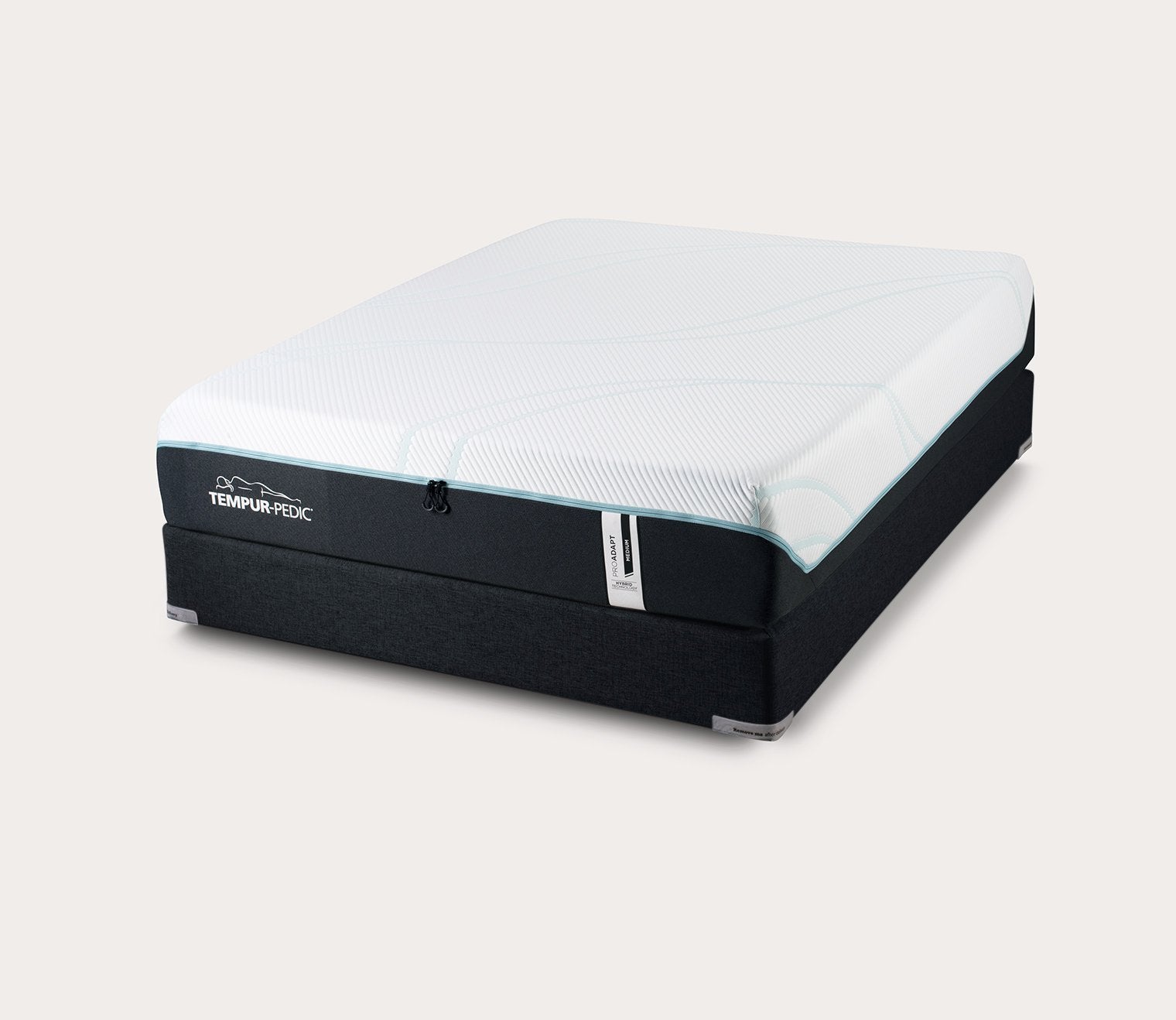 Tempur-Pedic ProAdapt Medium Hybrid | Best pressure relief | TEMPUR-APR+ foam over 1,000+ pocketed coils | $2,900–$3,400 | Check Price on Amazon |
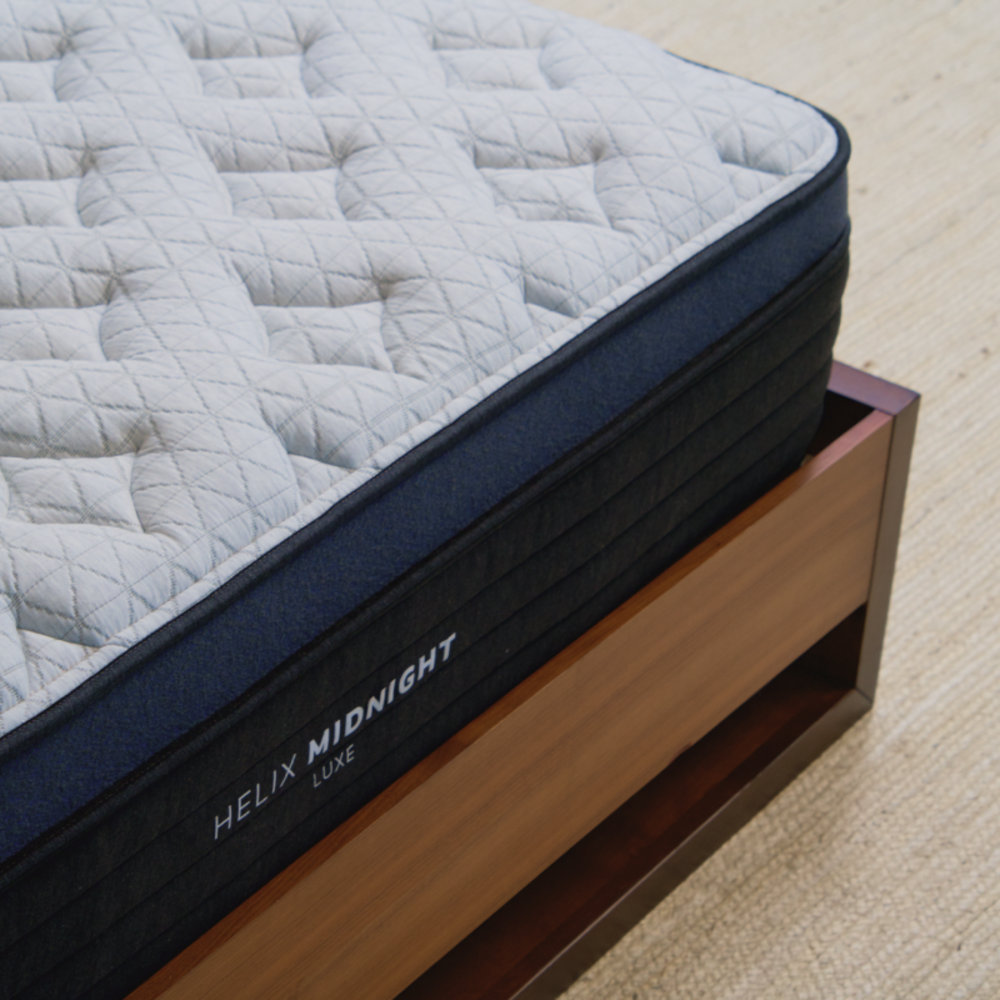 Helix Midnight Luxe | Best hybrid value | Medium-firm feel with zoned coils and gel memory foam | $1,800–$2,400 | Check Price on Amazon |
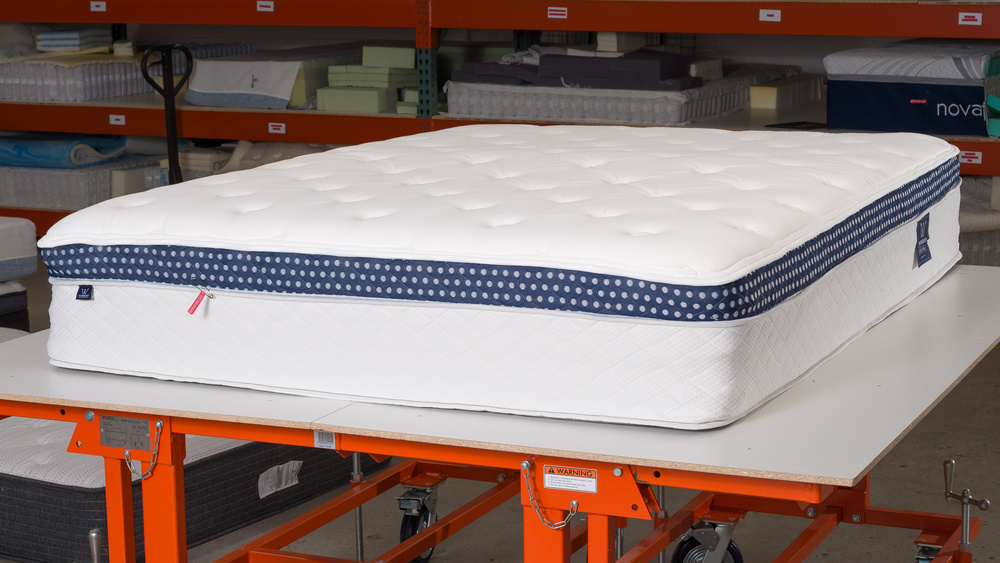 WinkBed | Best lumbar support design | Dedicated LumbarLayer with 4 firmness options | $1,500–$2,000 | Check Price on Amazon |
When you lie on your back, your body contacts the mattress in three main places: the back of your head and shoulders, your hips and lower back, and your heels. Your hips are the heaviest part of your body, so they press down hardest. On a mattress that is too soft, the hips sink deeper than the shoulders, and the spine bends into a shallow U shape. Hold that position for seven or eight hours and the muscles and ligaments around your lower back spend the night under uneven tension, which is a common reason people wake up stiff.
On a mattress that is too firm, the opposite problem appears. The shoulders and hips sit on top of the surface while the lower back arches above it, leaving a gap under the lumbar curve. With nothing filling that gap, the small muscles of the lower back stay active to support the arch instead of relaxing. That is why the old advice to buy the firmest mattress you can find does not hold up for most back sleepers. Firmness helps only up to the point where the mattress still meets the curve of your back.
The sweet spot is a medium-firm feel, roughly a 6 out of 10 on the firmness scale most reviewers use. At that level, the comfort layers give just enough for the shoulders and the curve of the lower back to make contact, while the support core underneath pushes back against the hips. This is also why zoned support matters for back sleepers. Mattresses like the Saatva Classic, Helix Midnight Luxe, and WinkBed build extra reinforcement into the middle third of the bed, exactly where the hips and lower back rest, while leaving the shoulder and leg zones a little softer. The result is a surface that holds the heavy middle of the body level instead of letting it drop.
Body weight shifts the ideal firmness up or down. A lighter back sleeper, under about 130 pounds, does not press hard enough to engage a firm support core, so a medium or even medium-soft feel often aligns their spine better. An average-weight back sleeper, roughly 130 to 230 pounds, is usually best served by a true medium-firm. Above 230 pounds, the hips carry enough weight to compress most comfort layers, so a firmer feel, or a model with a dedicated heavy-duty build, keeps the spine level. Couples should also think about motion: when one partner shifts position, a mattress with good motion isolation keeps the other partner's spine undisturbed, which is one reason foam-topped hybrids score well with back sleepers who share a bed.
Temperature plays a quieter role. Back sleepers have more of their body in contact with the mattress than side sleepers do, so heat can build up across the whole back. Coil-based hybrids move air through the support layer, which is why the mattresses in this guide, all hybrids or coil-on-coil builds, tend to sleep cooler than dense all-foam beds. If you run hot, that airflow is worth weighing alongside firmness. Our guide to the best mattress for hot sleepers goes deeper on cooling features if that is a priority for you.
The Saatva Classic is our top pick because it is built around exactly what back sleepers need: strong, zoned support with a choice of firmness. It is a coil-on-coil innerspring hybrid, with individually wrapped comfort coils layered over a tempered steel support coil base, topped by a Euro pillow top. Between the coil layers sits a zoned lumbar foam reinforcement pad, designed to give extra pushback under the middle of the body. The mattress comes in three firmness options, Plush Soft, Luxury Firm, and Firm, and most back sleepers will want Luxury Firm, which the manufacturer positions around the middle of the firmness scale. It is available in two heights, 11.5 and 14.5 inches.
The ownership terms are among the strongest in this guide. Saatva offers a 365-night home trial and a lifetime warranty, and delivery includes free white-glove setup, with the delivery team placing the mattress in your room and removing your old one. Returns during the trial carry a $99 fee, which buyers should factor into the decision. The open coil construction also gives the Classic strong airflow, so it sleeps cooler than most foam-heavy competitors, and reviewers consistently praise its edge support, which matters when you sit on the side of the bed to get up. The main downsides are price and weight: it is a premium-priced, heavy mattress that arrives flat rather than compressed in a box, so it is not a budget pick. If back pain is your main concern rather than sleep position alone, our best mattress for back pain guide compares several of these same models through that lens.
The Tempur-Pedic ProAdapt Medium Hybrid takes a different route to the same goal. Instead of relying mainly on coils, it pairs TEMPUR-APR+ foam, the manufacturer's most pressure-relieving material, with a base of more than 1,000 pocketed coils. The foam contours closely around the lower back, filling the lumbar curve, while the coils underneath add bounce, airflow, and edge support that the all-foam version of the same mattress lacks. The mattress stands 12 inches tall and comes in four feels, Soft, Medium, Medium Hybrid, and Firm, with the Medium Hybrid being the balanced choice for back sleepers who want contouring without feeling stuck.
Buyers report that the slow, dense feel of the TEMPUR material is unlike ordinary memory foam: it responds gradually to body heat and weight, then holds its shape rather than springing back immediately. That makes it excellent for pressure relief, but it also means changing position takes slightly more effort than on a springier hybrid, and some warm sleepers find the foam retains more heat than the coil-heavy options in this guide. The SmartClimate cover is removable and machine washable, which helps with upkeep. Tempur-Pedic offers a 90-night sleep trial and a 10-year limited warranty, with free white-glove delivery. It is the most expensive mattress in this guide, with a queen list price around $3,399, so it makes most sense for buyers who already know they love the Tempur feel or who need maximum pressure relief alongside back support.
The Helix Midnight Luxe is a 13.5-inch hybrid that combines a quilted Euro-style top, gel-infused memory foam comfort layers, and a zoned pocketed coil support core, all under a breathable TENCEL cover. Its medium-firm feel, around a 6 out of 10 on the scale used by expert reviewers, sits right in the zone most back sleepers need. Sleep Foundation named the Midnight Luxe its best mattress overall for 2026, praising its pressure relief and the way its zoned coils prevent the hips from sinking, and its testers rated it well for edge support, temperature control, and motion isolation.
What makes the Midnight Luxe stand out for back sleepers is how balanced it feels. The memory foam layers cradle the shoulders and lower back, while denser polyfoam transition layers and the zoned coils stop the hips from dropping too far. It is responsive enough that changing position during the night is easy, and the coil base keeps air moving through the mattress. The cover is not removable or machine washable, so a mattress protector is a sensible add-on. Pricing sits in the premium range but below Tempur-Pedic, with a queen commonly listed around $1,874 on sale. If you want to understand how this hybrid construction differs from an all-foam build, our hybrid vs memory foam comparison breaks down the trade-offs in detail.
The WinkBed is the only mattress in this guide with a support feature designed specifically for the lower back. Its 13.5-inch hybrid build includes a dedicated LumbarLayer, a reinforced band of firmer foam in the transition zone that is built to keep the lower back from sinking below the hips and shoulders. Above it sits a gel-infused Euro pillow top under a breathable Tencel cover, and below it a zoned pocketed coil base. The mattress comes in four firmness options, Softer, Luxury Firm, Firmer, and Plus, so back sleepers can choose the feel that matches their body weight instead of accepting a single firmness. Luxury Firm is the bestselling option and the natural starting point for most back sleepers.
Reviewers report that the WinkBed sleeps cool to neutral for a hybrid, thanks to the Tencel cover and gel-infused comfort layer, and its edge support is consistently rated among the best in its class, which helps heavier sleepers and anyone who sits on the edge of the bed. The mattress carries a lifetime warranty. The main trade-off is the trial: at 120 nights it is shorter than Saatva's year-long window, and the manufacturer requires a 30-night break-in period before returns or exchanges are accepted, so buyers need to give it a genuine month before judging. With a queen list price around $1,799 and frequent sale pricing below that, it is a strong value for back sleepers who want a purpose-built lumbar design without paying Tempur-Pedic prices.
Firmness labels only mean something in relation to your body weight, so use this as a starting point rather than a rule. Back sleepers under 130 pounds usually find their best alignment on a medium or medium-soft mattress, because they do not weigh enough to sink into a firm support layer, and a too-firm surface leaves their lower back unsupported. The Plush Soft version of the Saatva Classic or the softer end of the Helix range fits this group, though very light sleepers should still avoid anything that lets the hips drop.
Back sleepers between 130 and 230 pounds have the widest choice, and this is where all four mattresses in this guide shine. A medium-firm feel, such as the Saatva Classic in Luxury Firm, the Helix Midnight Luxe, the WinkBed in Luxury Firm, or the Tempur-Pedic ProAdapt Medium Hybrid, will hold the hips level while cushioning the lower back. This weight range is also where couples should pay most attention to motion isolation and edge support, since a partner's movement is more likely to disturb a back sleeper lying flat.
Back sleepers over 230 pounds should lean firmer. A medium-firm mattress that feels supportive to an average-weight sleeper can feel soft under a heavier body, because the comfort layers compress further and the hips sink deeper. The Saatva Classic in Firm, the WinkBed in Firmer or Plus, or the firmer Helix Twilight Luxe are better starting points in this range. Heavier back sleepers should also check the mattress's edge support and weight capacity, and consider a model with reinforced coils, since a sagging edge makes getting in and out of bed harder over time. Whatever your weight, the surest test is the trial period: lie on your back for ten minutes in the store or at home and ask someone to check whether your hips, shoulders, and head form a straight line, or simply notice whether your lower back feels held rather than hanging.
Start with firmness, but buy it by body weight, not by label. A mattress marketed as medium-firm can feel very different depending on who lies on it, so use the weight guidance above and pick a model that offers more than one firmness option if you are unsure. Saatva and WinkBed both let you choose, which removes much of the guesswork.
Next, look at the support system, not just the comfort layers. For back sleepers, zoned coils or a dedicated lumbar layer matter more than a thick pillow top, because they are what keep the hips from sinking. Ask whether the mattress reinforces the middle third of the bed, and be wary of very thick, soft comfort layers with no firm support underneath: they feel wonderful for a few minutes and unsupportive by morning.
Check the trial and warranty terms before you pay, because a mattress is one of the few purchases you cannot properly judge in a showroom. Every mattress in this guide comes with a home trial of 90 nights or more, but the details differ: Saatva's trial runs a full year with a $99 return fee, Tempur-Pedic's runs 90 nights, and WinkBed requires a 30-night break-in before a return. Warranties range from 10 years for Tempur-Pedic to lifetime coverage for Saatva and WinkBed, and most require a visible sag beyond a set depth, usually around 1.5 inches, before a claim is approved. Read those terms while you still have the option to return the bed.
Think about the practical details too. Measure your bed frame and your sheets: the Helix Midnight Luxe and WinkBed are 13.5 inches tall and the Saatva Classic is available at 14.5 inches, so deep-pocket sheets are often needed. Check whether delivery includes setup and old mattress removal, since these hybrids are heavy, and confirm the mattress works with your base: most of these models are compatible with adjustable bases, but the taller Saatva Classic is the exception to check. Finally, remember that a mattress topper can soften a bed that is slightly too firm, but it cannot fix one that is too soft or sagging, so get the support level right first and treat a topper as a fine-tuning tool. If you sleep on your side some of the night as well, our best mattress for side sleepers guide covers models that handle both positions.
Most back sleepers do best on a medium-firm mattress, roughly a 6 out of 10 on the common firmness scale. That level lets the shoulders and hips settle just enough for comfort while keeping the lower back supported so the spine stays in a neutral line. Lighter back sleepers can go a little softer, while heavier back sleepers usually need a firmer feel to avoid sinking too deep.
Not necessarily. A very firm mattress can leave a gap under the lower back, which forces the lumbar muscles to work all night and can lead to morning stiffness. A medium-firm mattress is usually the better choice because it fills the natural curve of the lower back while still pushing back against the hips. Only heavier back sleepers, or those who specifically prefer a hard surface, tend to benefit from a truly firm feel.
Give a new mattress at least 30 nights before judging it, and use as much of the trial period as you need. Your body needs time to adjust to a different support level, and early soreness often fades within the first few weeks. Every mattress in this guide comes with a home trial of 90 nights or more, so you can test it through several full sleep cycles before committing.
A topper can help if your current mattress is slightly too firm, adding a couple of inches of cushioning without replacing the bed. But a topper cannot fix a mattress that is too soft or sagging, because it will simply follow the dip underneath. If your hips sink noticeably below your shoulders when you lie on your back, a new mattress with proper lumbar support is the better investment than a topper.
For most back sleepers, the Saatva Classic in Luxury Firm is the best mattress in this guide. Its coil-on-coil construction, zoned lumbar support, and choice of three firmness levels cover more body weights and preferences than any single-feel rival, and the 365-night trial and lifetime warranty make the premium price easier to justify. Buyers who want the deepest pressure relief and do not mind a higher price or a slower foam feel should look at the Tempur-Pedic ProAdapt Medium Hybrid instead, while the Helix Midnight Luxe offers the best balance of comfort, cooling, and value for average-weight back sleepers. The WinkBed is the pick for anyone whose main problem is specifically lower-back support, thanks to its dedicated LumbarLayer and four firmness options.
Whichever model you choose, buy the firmness that matches your body weight, give the mattress a full month before judging it, and use the trial period properly. A mattress that keeps your spine level is not a luxury for a back sleeper; it is the difference between waking up rested and waking up stiff.
Sleep · Mattresses
Side sleepers need pressure relief at the shoulders and hips. We compared the best mattresses for side sleeping — comfort, support and cooling.
Read ReviewSleep · Mattresses
Wake up pain-free. We compared firmness, lumbar support and pressure relief across top hybrids to find the best mattresses for back pain.
Read ReviewSleep · Mattresses
Hybrid vs memory foam mattress: we compared Saatva, Helix, Nectar and Tempur-Pedic on feel, cooling, motion isolation and price to find which sleeps better.
Read Review
